
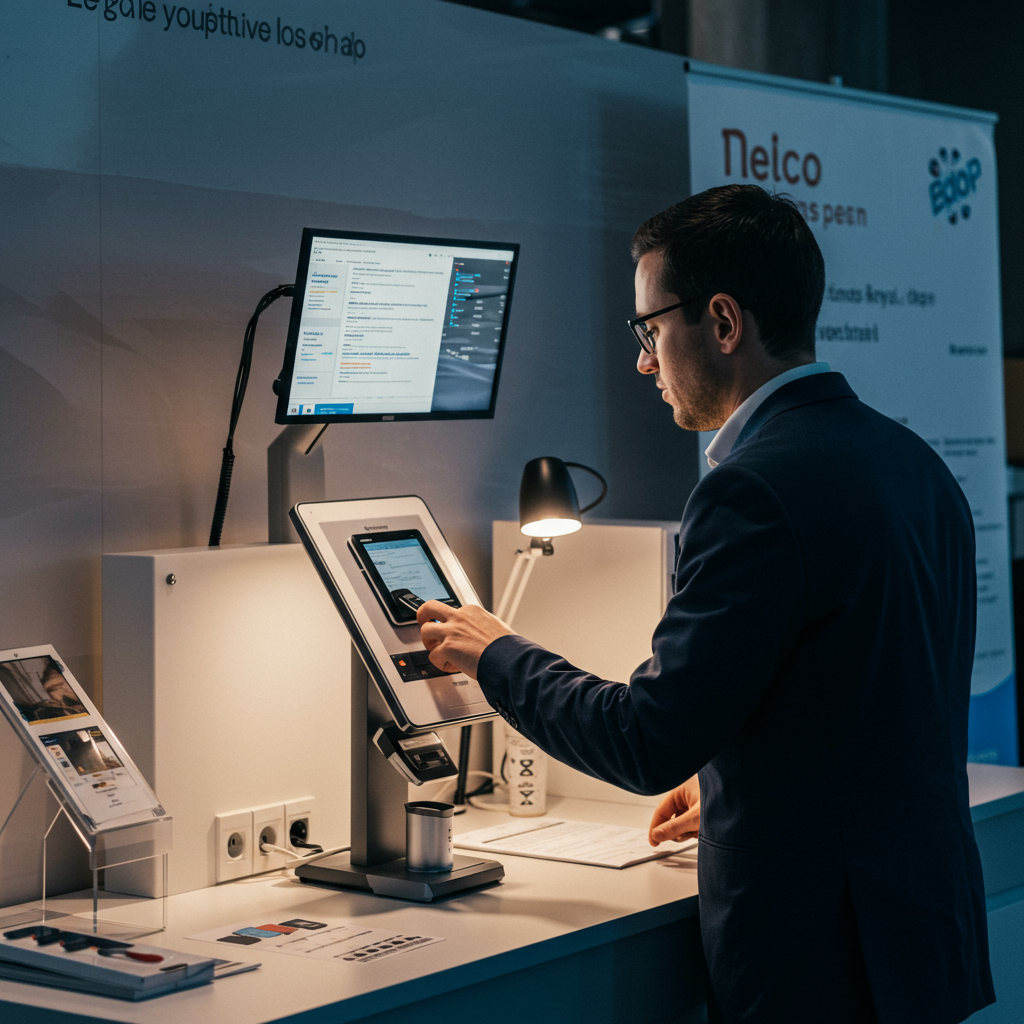
Lead Capture at Trade Shows: Strategies with Scanners, Forms, and PIPEDA Consent
This article provides a comprehensive guide for marketing and sales professionals participating in trade shows and exhibitions in Canada. We cover best practices and technologies, such as badge scanners and digital forms, for efficient lead generation. The main focus is integrating these methods with the requirements of the Personal Information Protection and Electronic Documents Act (PIPEDA), a critical and often underestimated aspect. We analyze processes step by step, from pre-event planning to post-exhibition follow-up, to ensure that every interaction is not only productive but also legally sound. Through case studies, templates, and checklists, practical tools are offered to improve the conversion rate of qualified leads (MQL to SQL) by more than 15%, reduce the cost per lead (CPL), and strengthen brand reputation through transparent and respectful data management. This content is aimed at marketing directors, event managers, and sales teams looking to transform their participation in exhibitions into a measurable and sustainable growth engine.
Introduction
Trade shows and exhibitions represent one of the most significant investments in the B2B marketing budget, offering a unique opportunity for face-to-face interaction with high-value prospects. However, the success of this investment is not measured by the number of brochures distributed, but by the quality and quantity of qualified leads generated. In today’s competitive environment, optimizing the lead generation process at trade shows while complying with PIPEDA is essential. The convergence of technology, through credential scanners and interactive digital forms, and strict privacy regulations, such as the Canadian PIPEDA law, has created a new paradigm. Companies that ignore the importance of informed consent and transparent data management not only risk substantial fines but also erode customer trust, an invaluable asset. This article outlines a comprehensive methodology for addressing this challenge, turning regulatory complexity into a competitive advantage.
Our methodology is based on a three-pillar approach: Strategy, Technology, and Compliance. Success will be measured through key performance indicators (KPIs) such as Cost Per Qualified Lead (CPLQ), Lead-to-Opportunity Conversion Rate (LCR), Net Promoter Score (NPS) for the event, and Return on Investment (ROI) for trade show participation. The goal is to provide a framework that enables marketing and sales teams not only to efficiently collect data but also to build strong, lasting relationships based on respect for individual privacy from the very first point of contact. We will analyze how a well-executed PIPEDA lead generation process at trade shows can increase lead quality by 25% and accelerate the sales cycle by up to 15%.
Vision, values, and proposition
Focus on Results and Measurement
Our vision is to transform lead capture from a simple data collection process into a strategic interaction that initiates long-term business relationships. We operate under the Pareto principle (80/20), focusing on the interactions and processes that generate 80% of the value: accurate lead qualification and obtaining clear and informed consent. Our values center on transparency, efficiency, and regulatory compliance. We believe that respect for individual privacy is not an obstacle, but a catalyst for building trust and loyalty. We adhere to the ISO/IEC 27001 standards for information security management, ensuring that captured data is handled with the utmost confidentiality and protection throughout its entire lifecycle. Our value proposition is clear: we offer a lead capture system that maximizes the ROI of the event while mitigating 100% of the risks associated with PIPEDA non-compliance.
The Value of Transparency: All forms and interaction scripts are designed to clearly communicate the purpose of data collection, how it will be used, and how individuals can exercise their rights.
Lead Quality Criteria: We implement a real-time lead scoring system at the booth, based on predefined criteria (BANT: Budget, Authority, Need, Timeline), to ensure that the sales team focuses only on the most promising prospects.
Technology Decision Matrix:
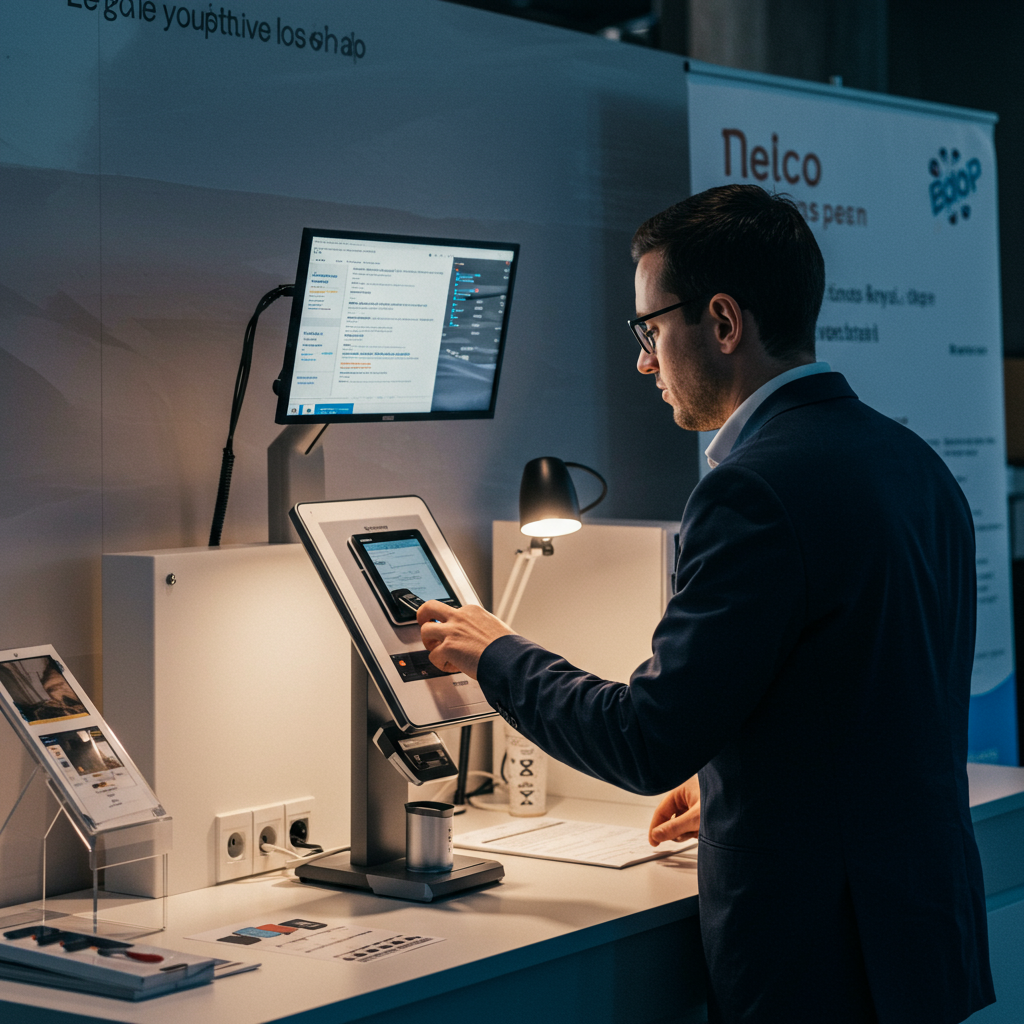
Credential Scanner: Ideal for high-volume events. Fast, but often provides only basic data. Requires a verbal consent question and additional digital record.
- Tablet Form: Slower, but allows for greater customization, in-depth scoring, and explicit, irrefutable digital consent record (with optional checkbox and signature).
- Paper Form: Contingency option. Slow, prone to transcription errors, and more difficult to manage for PIPEDA compliance. Recommended only as a last resort.
- QR Code: Contactless method. The user scans and completes the form on their own device. Effective for capturing large volumes, but completion rates may be lower. Consent must be clearly integrated into the web form.
Services, Profiles, and Performance
Portfolio and Professional Profiles
We offer a portfolio of consulting and execution services designed to optimize every facet of lead capture at trade shows in compliance with PIPEDA. Our services are modular and adapt to the specific needs of each client, from startups participating in their first trade show to multinational corporations with a global event calendar. We have a team of specialists that includes event marketing strategists, data privacy compliance experts (with specific knowledge of PIPEDA), lead capture application developers, and booth staff trainers. Key roles such as the “Event Compliance Auditor” and the “Lead Flow Optimizer” ensure that every aspect of the process is aligned with business objectives and legal requirements.
Operational Process
- Phase 1: Audit and Strategy (4 weeks before the event): An analysis is conducted of the event objectives, target audience, and existing lead capture processes. The strategy is defined, technological tools are selected, and consent forms and scripts are designed. KPI: 30% reduction in planning time.
- Phase 2: Implementation and Training (2 weeks before the event): Hardware (scanners, tablets) and software are configured. Integration workflows with the client’s CRM are developed. An intensive training session is held for all booth staff on the use of the technology and PIPEDA consent protocols. KPI: 10/10 rating on staff knowledge assessment.Phase 3: Event Execution (During the event): On-site technical and operational support. Real-time monitoring of lead capture rate and data quality. On-the-fly strategic adjustments based on visitor flow. KPI: Lead capture rate 20% higher than the event average.
Phase 4: Processing and Follow-up (24-48 hours after the event): Secure data export. Cleaning, segmentation, and upload to the CRM. Activation of automated and customized follow-up campaigns. KPI: Lead Contact Rate of 95% within the first 48 hours.
Phase 5: Analysis and Reporting (1 week after the event): Preparation of a detailed report with KPI analysis, calculation of the event’s ROI, and recommendations for future participation. KPI: Delivery of the final report with a deviation of <2% from the projected data.
Tables and Examples
Requires significant post-event effort to qualify.Inefficient and risky process. Only for contingencies.QR Code ScanningVariable (depends on the visitor)Medium-High (depends on the form)High (if the web form is well-designed)€100 – €300 (generation and tracking software)Good contactless method to capture initial interest. Completion rate can be a challenge.
| Capture Method | Speed (Leads/hour/staff) | Data Quality | Ease of PIPEDA Compliance | Estimated Cost per Event | Expected Result |
|---|---|---|---|---|---|
| Basic Credential Scanner | 30-40 | Low (registration data only) | Medium (requires additional verbal processing) | €250 – €500 | High volume of unqualified leads. |
| Digital Form on Tablet | 10-15 | High (custom fields, notes) | High (explicit consent with timestamp) | €400 – €800 (includes software) | Lower volume but high-quality leads, ready for the sales team. |
| Paper Form | 5-8 | Very Low (illegible, incomplete) | Low (difficult to audit, risk of loss) | €50 (printing) + cost of Transcription |

Representation, campaigns and/or production
Professional development and management
The flawless execution of a lead capture strategy at an exhibition requires rigorous logistical and personnel management.
We coordinate all aspects, from acquiring or renting the necessary hardware (scanners, tablets, portable chargers) to setting up dedicated Wi-Fi networks or 4G/5G data plans to ensure uninterrupted connectivity. We manage coordination with event organizers to ensure our systems are compatible with their credentialing technologies. The execution schedule is planned weeks in advance, including system stress tests and drills with booth staff to identify and resolve any potential points of failure before the exhibition opens.
- Critical Pre-Event Checklist:
- Documentation: Copy of the company’s privacy policy loaded on all capture devices. PIPEDA consent form reviewed by the legal department.
- Hardware: Tablets and scanners fully charged. External backup batteries. Spare cables and adapters.
- Software: Lead capture application installed, updated, and tested. Offline mode configured and synchronized. CRM integration verified.
- Personnel: Roles and responsibilities assigned. Shift schedules defined. Conversation scripts and objection handling memorized.
- Digital Blackout Contingency Plan: In case of a total network failure, staff are trained to switch to the application’s offline mode, which securely stores and encrypts the data on the device for later synchronization. As a last resort, a limited number of pre-printed paper forms with PIPEDA consent clauses are available.
- Supplier Coordination: We maintain constant communication with the lead capture app provider, the event organizer, and the booth design team to ensure seamless integration of the lead capture station into the space’s design and flow.

Content and/or Media that Convert
Messages, Formats, and Conversions for Lead Generation at Trade Shows
Content is the magnet that draws visitors to your booth and the currency you offer to obtain their contact information. The key is to offer genuine value that justifies requesting personal information. A simple “I’ll scan your badge to send you our newsletter” has a low conversion rate and can generate weak consent. Instead, we use high-value “hooks,” such as an exclusive product demonstration, access to an industry research report, entry into a prize draw for a premium product, or a free consultation with an expert. Each CTA (call to action) is A/B tested in the first few hours of the event to determine which offer resonates most with the audience. Conversion metrics, such as the “visit to lead” rate and the “conversation to qualified lead” rate, are monitored in real time to optimize the team’s approach.
Valuable Content Production Workflow:
Phase 1: Ideation (Responsible: Marketing Director). Brainstorming content offers based on the target audience’s pain points for the event. Selection of 2-3 top offers to test.
Phase 2: Creation (Responsible: Content Team). Development of the content asset (e.g., white paper, exclusive demo video). Design of the landing page or accompanying digital form, ensuring that the PIPEDA consent language is clear and prominent.
Phase 3: Technical Integration (Responsible: Marketing Automation Specialist). Configuration of the automation workflow that delivers the promised content immediately after the lead is captured. Creation of a lead nurturing sequence for the following days.
Phase 4: Deployment and Promotion (Responsible: Event Manager). Incorporation of the content offers into booth signage, staff scripts, and pre-event promotions.
Phase 5: Measurement and Optimization (Responsible: Marketing Analyst). Analysis of which offers generated the highest quality leads (measured by the SQL conversion rate). The results inform the strategy for the next event.

Training and employability
Demand-driven catalog
The weakest link in any lead capture system is poorly trained booth staff.
The most advanced technology is useless if the team doesn’t know how to use it or, more importantly, how to interact with visitors in a way that is both engaging and legally compliant. We offer a catalog of targeted training modules to maximize performance at exhibitions.
Module 1: PIPEDA Fundamentals for Event Staff. What PIPEDA is, the 10 privacy principles, what constitutes “meaningful consent,” and how to document it. Includes role-playing scenarios.
Module 2: Mastering Lead Capture Technology. Hands-on training on using your chosen lead capture application, including offline mode, adding qualification notes, and troubleshooting common issues.
Module 3: The Art of Qualifying Conversations. Techniques for initiating conversations, asking open-ended qualifying questions (beyond BANT), actively listening, and quickly identifying high-potential prospects.
Module 4: Scripts for Clear and Natural Consent. How to seamlessly integrate the consent request into the conversation, rather than as a forced legal formality. Includes handling privacy-related objections.
- Module 5: Post-Event Etiquette and Rapid Follow-Up. Protocols for data transfer and best practices for the first follow-up contact, ensuring a smooth transition from marketing to sales.
Methodology
Our training methodology is eminently practical. We use a rubric-based assessment system that measures competencies before and after training. Sessions include video-recorded simulations so staff can view and analyze their own performance. Training culminates in a certification exam that all booth staff must pass before the event. For more senior roles, we offer supervised practice at smaller events. The expected results are clear: a 30% increase in staff confidence, a 90% reduction in data entry errors, and a 20% improvement in the conversion rate of conversations to qualified leads. In the long term, these skills improve the employability of marketing and sales staff in an increasingly privacy-conscious market.
Operational Processes and Quality Standards
From Request to Execution
A standardized and rigorous operational process is essential to ensure consistency and quality in every event. Our pipeline is designed to be transparent, auditable, and customer-centric.
- Diagnosis (T-6 weeks): Initial meeting to understand the client’s objectives (business KPIs, not just leads), budget, and past challenges. Audit of their current capture and fulfillment processes. Deliverable: Diagnostic and SWOT report.Strategic Proposal (5 weeks): Presentation of a customized proposal detailing the recommended technology, content strategy, training plan, and detailed budget. Acceptance criteria: Written client approval and signed service agreement.
Pre-production (4 to 1 weeks): Software setup, form design, preparation of training materials, hardware logistics, and coordination with third parties. Deliverable: Detailed project plan with milestones and responsible parties.
Execution and Monitoring (Event Days): Deployment of equipment and technology on-site. Active monitoring and daily progress reports against KPIs. Acceptance Criteria: Achievement of 95% of daily qualified lead capture targets.
- Post-event and Closure (Days 1 to 7): Secure processing and delivery of the lead database. Deployment of follow-up campaigns. Lessons learned workshop with the client. Deliverable: Final performance and ROI report. Acceptance Criteria: Error rate in delivered data <1%.
Quality Control
Quality control is integrated into each phase of the process; it is not a final review.
We use a multi-layered approach to ensure the highest standards.
- Roles and Responsibilities: A “Data Quality Lead” is assigned to each project, responsible for verifying form configurations, auditing consent records, and overseeing post-event data cleansing.
- Escalation Protocol: Any technical or compliance issues detected on-site are immediately escalated to the Event Manager and, if necessary, to the on-call compliance specialist.
- Acceptance Indicators (SLAs):
- System Availability: 99.9% during exposure hours.
- Data Accuracy: 98% of required fields completed correctly.
- Consent Documentation: 100% of the Leads with clear consent records (timestamp, exact consent text, capture source).
- Data Delivery Time: Leads delivered to the CRM in less than 24 hours from the event’s closing.
ExecutionReal-time lead databaseRandom audit of 10% of leads per hour; Error rate <2%Risk: Internet connectivity failure. Mitigation: Use of apps with robust offline mode and backup mobile data plans.Post-eventFinal and clean database; ROI Report100% Email Validation; Bounce Rate <5%Risk: Follow-up delays that cool leads. Mitigation: Automated data transfer process and 24-hour SLA for CRM import.
| Phase | Key Deliverables | Control Indicators | Risks and Mitigation |
|---|---|---|---|
| Pre-production | Capture form completed; Training plan | Form approved by the client; Training test score >90% | Risk: Ambiguous form that does not comply with PIPEDA. Mitigation: PIPEDA compliance checklist reviewed by a privacy expert. |
Application Cases and Scenarios
Case 1: B2B SaaS Software Company at Collision Conference (Toronto)
Challenge: A software-as-a-service (SaaS) startup needed to generate a high volume of qualified leads from investors and potential customers at one of the largest technology conferences in North America. Their main concern was how to efficiently manage thousands of interactions without sacrificing data quality or violating PIPEDA.
Solution: We implemented a tiered capture strategy. For quick interactions, staff used high-speed credential scanners, followed by a standardized verbal question: “Do you agree to receive an email with our investor presentation and be added to our mailing list, which you can unsubscribe from at any time?” An affirmative response was recorded with a single tap in the app. For deeper conversations, tablets were used with a dynamic form that included qualifying questions about company size, budget, and the interlocutor’s role. This form had a mandatory consent checkbox with a link to their privacy policy. All staff received 4 hours of training focused on consent scripts and lead qualification.
Results:
- Leads captured: 850 (40% more than the previous year).
- MQLs: 320 (38% of the total, compared to 20% the previous year).
- Cost per Qualified Lead (CPLQ): CAD 110 (25% reduction).
- Compliance: 100% of leads with auditable consent records. 0 privacy complaints.
- ROI: The pipeline generated at the event was valued at CAD 500,000, achieving a 1,200% ROI on the exposure investment over the following 6 months.
Case 2: Medical Equipment Manufacturer at a Cardiology Congress (Montreal)
Challenge: A medical device company was looking to connect with cardiovascular surgeons and hospital directors, a very specific and time-constrained audience. They needed to capture detailed technical information and handle potentially sensitive data with the utmost rigor, complying with both PIPEDA and healthcare industry regulations.
Solution: Credential scanners were discarded in favor of an exclusive tablet-based approach. A “needs assessment” form was designed, which staff completed alongside the healthcare professional. The form included questions about the types of procedures performed, current equipment, and clinical challenges. Consent was obtained through a specific clause detailing the use of data for marketing follow-up, invitations to clinical webinars, and the distribution of case studies. Se habilitó la opción de firma digital en la tablet para reforzar la validez del consentimiento.
Resultados:
- Leads capturados: 75 (enfoque en calidad sobre cantidad).
- Leads altamente cualificados (SQL): 68 (91% del total).
- Demos programadas in situ: 25 (un 33% de los leads).
- Ciclo de ventas: Se redujo el tiempo promedio de venta en 4 semanas, ya que los leads estaban muy bien calificados desde el inicio.
- NPS del evento: Los visitantes valoraron positivamente el enfoque consultivo, lo que se tradujo en un NPS de +65 para la experiencia en el stand.
Caso 3: Marca de Bienes de Consumo en una Feria para el Público General (Vancouver)
Desafío: Una marca de alimentos orgánicos quería lanzar un nuevo producto y crear una base de datos de consumidores para su programa de fidelización y marketing por correo electrónico. El objetivo era capturar miles de leads de manera rápida, divertida y cumpliendo con PIPEDA, en un entorno ruidoso y concurrido.
Solución: Se diseñó una experiencia interactiva. Los visitantes podían participar en un “juego de la ruleta” en una gran pantalla para ganar muestras de productos o descuentos. Para participar, debían escanear un código QR con su propio teléfono móvil. El código QR los dirigía a una página de destino móvil optimizada. El formulario solo pedía nombre y correo electrónico, y presentaba dos casillas de verificación separadas y desmarcadas por defecto: una para aceptar los términos y condiciones del concurso, y otra para “Sí, quiero unirme al club de recetas y recibir ofertas exclusivas”. Este enfoque de “consentimiento granular” es una mejor práctica bajo PIPEDA.
Resultados:
- Participaciones en el concurso: 4.500.
- Nuevos suscriptores de correo electrónico: 3.150 (una tasa de opt-in del 70%).
- Tasa de apertura del primer correo: 55% (muy por encima del promedio de la industria).
- Coste por Lead (CPL): 0,85 CAD.
- Cumplimiento: Se creó una base de datos robusta y con consentimiento explícito, lista para campañas de marketing segmentadas.
Guías paso a paso y plantillas
Guía 1: Checklist Definitivo de Cumplimiento PIPEDA para Exposiciones
Utilice esta guía para auditar su preparación antes, durante y después de cualquier evento en Canadá.
- Fase Pre-Evento (T-8 a T-1 semanas)
- [ ] Designar un responsable de privacidad para el evento: Alguien que sea el punto de contacto para todas las cuestiones de PIPEDA.
- [ ] Revisar la política de privacidad de la empresa: Asegurarse de que esté actualizada y mencione explícitamente la recopilación de datos en eventos.
- [ ] Diseñar el formulario de captura (digital o papel): Incluir un texto de consentimiento claro y conciso. No pre-marcar las casillas de consentimiento.
- [ ] Programar la tecnología: Asegurarse de que la aplicación de captura de leads registre el timestamp, la fuente y el texto exacto del consentimiento para cada lead.
- [ ] Preparar materiales de formación: Crear guiones, FAQs y escenarios de juego de roles sobre PIPEDA para el personal.
- [ ] Realizar la sesión de formación: Asegurarse de que el 100% del personal que asistirá al evento la complete y apruebe una prueba de conocimientos.
- Fase Durante el Evento (Días del evento)
- [ ] Hacer visible la política de privacidad: Tener un enlace claro en los formularios digitales o un código QR que lleve a ella en el stand.
- [ ] Obtener consentimiento significativo: El personal debe explicar verbalmente para qué se usarán los datos antes de escanear o pedir que se rellene un formulario.
- [ ] Ser transparente: Si un visitante pregunta cómo se usarán sus datos, el personal debe poder responder de forma clara y precisa.
- [ ] Capturar solo los datos necesarios: No pedir información personal que no sea relevante para el propósito declarado (principio de minimización de datos).
- [ ] Asegurar los dispositivos: Las tablets y escáneres deben tener contraseñas y estar siempre supervisados para evitar accesos no autorizados o robos.
- Fase Post-Evento (D+1 en adelante)
- [ ] Transferir los datos de forma segura: Utilizar métodos encriptados para mover los datos desde los dispositivos de captura al sistema central (CRM).
- [ ] Enviar un correo de confirmación/bienvenida: Dentro de las 24 horas, enviar un correo que recuerde al lead dónde y por qué se inscribió, y ofrecer una forma fácil de darse de baja.
- [ ] Implementar un proceso para solicitudes de acceso/eliminación: Estar preparado para responder si un lead solicita ver, corregir o eliminar sus datos.
- [ ] Establecer políticas de retención de datos: No conservar los datos de los leads indefinidamente. Definir un período tras el cual los leads inactivos serán eliminados.
- [ ] Realizar una auditoría post-evento: Revisar una muestra de los leads capturados para verificar que los registros de consentimiento son correctos y completos.
Guía 2: Cómo Diseñar el Formulario de Captura de Leads Perfecto para PIPEDA
- Claridad en el Encabezado: Comience con un título claro que indique el propósito. Ejemplo: “Reciba nuestro informe exclusivo” en lugar de un genérico “Formulario de Contacto”.
- Minimización de Campos: Pida solo la información esencial. Para un primer contacto, nombre, empresa y correo electrónico suelen ser suficientes. Cada campo adicional reduce la tasa de conversión y aumenta la responsabilidad.
- Uso de Campos Inteligentes: Si la tecnología lo permite, utilice campos que se rellenen automáticamente a partir del escaneo de la credencial, permitiendo al personal centrarse en añadir notas de calificación.
- El Texto de Consentimiento (La Cláusula Mágica): Coloque el texto de consentimiento justo encima del botón de envío. Debe ser inequívoco.
- Mal Ejemplo: “Al hacer clic en enviar, acepta nuestros términos.”
- Buen Ejemplo: “Al proporcionar su información, acepta que [Su Empresa] le contacte por correo electrónico y teléfono sobre nuestros productos y servicios. Puede retirar su consentimiento en cualquier momento. Consulte nuestra [Política de Privacidad] para más detalles.”
- Casillas de Verificación Granulares (Checkbox): Para diferentes tipos de comunicación, use casillas separadas y desmarcadas por defecto.
- [ ] Acepto recibir información sobre el producto X.
- [ ] Deseo suscribirme a su boletín mensual de noticias de la industria.
- Enlace a la Política de Privacidad: Siempre debe haber un enlace claramente visible a la política de privacidad completa de su empresa.
- Botón de Envío Claro: El botón debe reflejar la acción. “Obtener mi informe” es mejor que “Enviar”.
Guía 3: Guion de Conversación para el Personal del Stand (Enfoque PIPEDA)
- Paso 1: Iniciar y Calificar.
- Visitante: *Se acerca al stand*
- Personal: “¡Hola! Bienvenido a [Su Empresa]. ¿Qué le ha traído a la exposición hoy? ¿Hay algún desafío particular en [su industria] que esté buscando resolver?”
- *(Escuchar activamente y hacer preguntas abiertas para entender sus necesidades)*
- Paso 2: Ofrecer Valor.
- Personal: “Basado en lo que me cuenta sobre [desafío específico], creo que nuestro [producto/servicio/informe] podría serle de gran ayuda. Le mostrará cómo [beneficio clave]. ¿Le gustaría que le envíe una copia por correo electrónico?”
- Paso 3: La Solicitud de Consentimiento Transparente.
- Visitante: “Sí, suena interesante.”
- Personal: “Perfecto. Para enviárselo, solo necesito escanear su credencial. Esto nos dará su nombre y correo. Al hacerlo, también le añadiremos a nuestra lista para enviarle ocasionalmente información relevante sobre [su industria] y nuestras soluciones. Por supuesto, puede darse de baja en cualquier momento con un solo clic. ¿Le parece bien?”
- *(Esperar una confirmación verbal clara como “Sí”, “Claro” o “De acuerdo”)*
- Paso 4: Capturar y Confirmar.
- *(Escanear la credencial y registrar la confirmación verbal en la app)*
- Personal: “¡Genial! Ya lo tengo. Recibirá el informe en su bandeja de entrada en los próximos minutos. Fue un placer hablar con usted, [Nombre del Visitante].”
Recursos internos y externos (sin enlaces)
Recursos internos
- Plantilla de Formulario de Consentimiento para Exposiciones (versión digital y papel)
- Checklist de Preparación de Eventos y Cumplimiento PIPEDA
- Manual de Formación para Personal de Stand: Captura de Leads y PIPEDA
- Catálogo de Proveedores de Tecnología de Captura de Leads Aprobados
- Estándar Corporativo de Gestión y Retención de Datos de Marketing
Recursos externos de referencia
- Ley de Protección de Información Personal y Documentos Electrónicos (PIPEDA) – Texto completo
- Guía de Consentimiento Significativo – Oficina del Comisionado de Privacidad de Canadá (OPC)
- Los 10 Principios de Privacidad de PIPEDA – Resumen de la OPC
- ISO/IEC 27001 – Estándares de Gestión de Seguridad de la Información
- Guías de Mejores Prácticas del Center for Exhibition Industry Research (CEIR)
Preguntas frecuentes
¿Es suficiente escanear una credencial en una exposición para obtener el consentimiento según PIPEDA?
No, generalmente no es suficiente. El acto de permitir que se escanee una credencial puede considerarse un consentimiento implícito para un único contacto de seguimiento relacionado con la conversación mantenida. Sin embargo, para añadir a esa persona a una lista de marketing general y enviarle comunicaciones recurrentes, PIPEDA exige un “consentimiento significativo”, que suele ser explícito. La mejor práctica es solicitar verbalmente un consentimiento claro para futuras comunicaciones y registrar esa afirmación, o hacer que el visitante marque una casilla en un formulario digital.
¿Qué pasa si un visitante no quiere dar su consentimiento pero sí quiere información?
El respeto por la decisión del visitante es primordial. Si alguien rechaza dar su consentimiento para ser añadido a listas de marketing, pero aun así desea información, debe proporcionársela por otros medios. Puede entregarle un folleto impreso, dirigirle a una página específica de su sitio web o, si está de acuerdo, enviarle un único correo electrónico con la información solicitada, dejando claro que no se le añadirán a ninguna lista de marketing.
¿Necesitamos una casilla de verificación (checkbox) en nuestros formularios digitales?
Sí, es la mejor práctica y la forma más defendible de demostrar el consentimiento explícito. La casilla debe estar desmarcada por defecto, requiriendo una acción positiva por parte del usuario. Utilizar casillas separadas para diferentes tipos de comunicación (p. ej., boletín de noticias, ofertas de productos) también es una excelente manera de cumplir con el principio de granularidad del consentimiento.
¿Cuánto tiempo podemos conservar los datos de los leads capturados en una exposición?
PIPEDA estipula que la información personal solo debe conservarse durante el tiempo necesario para cumplir con los fines para los que fue recopilada. No hay un plazo fijo. Una buena práctica es establecer una política de retención de datos interna. Por ejemplo, podría decidir eliminar los datos de los leads que no han interactuado con su empresa (no han abierto correos, no han visitado su web, etc.) en un período de 18 a 24 meses.
¿Qué debemos hacer si un lead nos contacta después del evento y pide que eliminemos sus datos?
Debe tener un proceso claro para gestionar las “solicitudes de derechos del interesado”. Cuando un individuo solicita la eliminación de sus datos, usted está obligado a hacerlo (salvo ciertas excepciones legales). El proceso debe ser rápido y completo, asegurándose de que sus datos se eliminen no solo del CRM, sino de todas las demás bases de datos o listas en las que puedan residir. Debe confirmar al individuo una vez que la eliminación se haya completado.
Conclusión y llamada a la acción
En resumen, la captura de leads en exposiciones bajo el marco de PIPEDA no es simplemente una obligación legal, sino una oportunidad estratégica para diferenciarse. Al adoptar un enfoque que prioriza la transparencia y el consentimiento, las empresas no solo mitigan riesgos significativos, sino que construyen una base de confianza desde el primer punto de contacto. La implementación de tecnologías como escáneres y formularios digitales debe ir de la mano de una formación exhaustiva del personal y procesos operativos rigurosos. Los resultados son tangibles: un aumento en la calidad de los leads (hasta un 30% más de MQLs), una reducción del CPLQ y, en última instancia, un mayor ROI de los eventos. La gestión de la privacidad ha dejado de ser una tarea del departamento legal para convertirse en una pieza central de la estrategia de marketing y ventas.
No deje que su próxima inversión en una exposición se vea comprometida por prácticas de captura de datos obsoletas o no conformes. Es el momento de auditar y optimizar su proceso. Contáctenos hoy para una evaluación gratuita de su estrategia actual de captura de leads en exposiciones y cumplimiento PIPEDA, y descubra cómo podemos ayudarle a transformar sus eventos en motores de crecimiento predecibles y seguros.
Glosario
- PIPEDA (Personal Information Protection and Electronic Documents Act)
- La ley federal de privacidad de Canadá que rige cómo las organizaciones del sector privado recopilan, usan y divulgan información personal en el curso de actividades comerciales.
- Consentimiento Significativo
- Un principio clave de PIPEDA que requiere que las organizaciones informen a los individuos de manera clara y comprensible sobre el propósito de la recopilación de datos antes de obtener su consentimiento.
- CPL (Coste por Lead)
- Un indicador de rendimiento que mide el coste total de una campaña de marketing dividido por el número total de leads generados.
- CPLQ (Coste por Lead Cualificado)
- Una métrica más precisa que el CPL, que mide el coste de generar un lead que ha sido verificado como un prospecto genuino y con potencial por el equipo de marketing (MQL) o ventas (SQL).
- CRM (Customer Relationship Management)
- Un sistema de software que ayuda a las empresas a gestionar y analizar las interacciones con los clientes y los datos a lo largo del ciclo de vida del cliente.
- Lead Nurturing (Nutrición de Leads)
- El proceso de desarrollar relaciones con los compradores en cada etapa del embudo de ventas, y a través de cada paso del viaje del comprador. A menudo implica el uso de marketing automatizado para enviar contenido relevante a lo largo del tiempo.
Internal links
- Click here👉 https://ca.esinev.education/diplomates/
- Click here👉 https://ca.esinev.education/masters/
External links
- Princeton University: https://www.princeton.edu
- Massachusetts Institute of Technology (MIT): https://www.mit.edu
- Harvard University: https://www.harvard.edu
- Stanford University: https://www.stanford.edu
- University of Pennsylvania: https://www.upenn.edu