
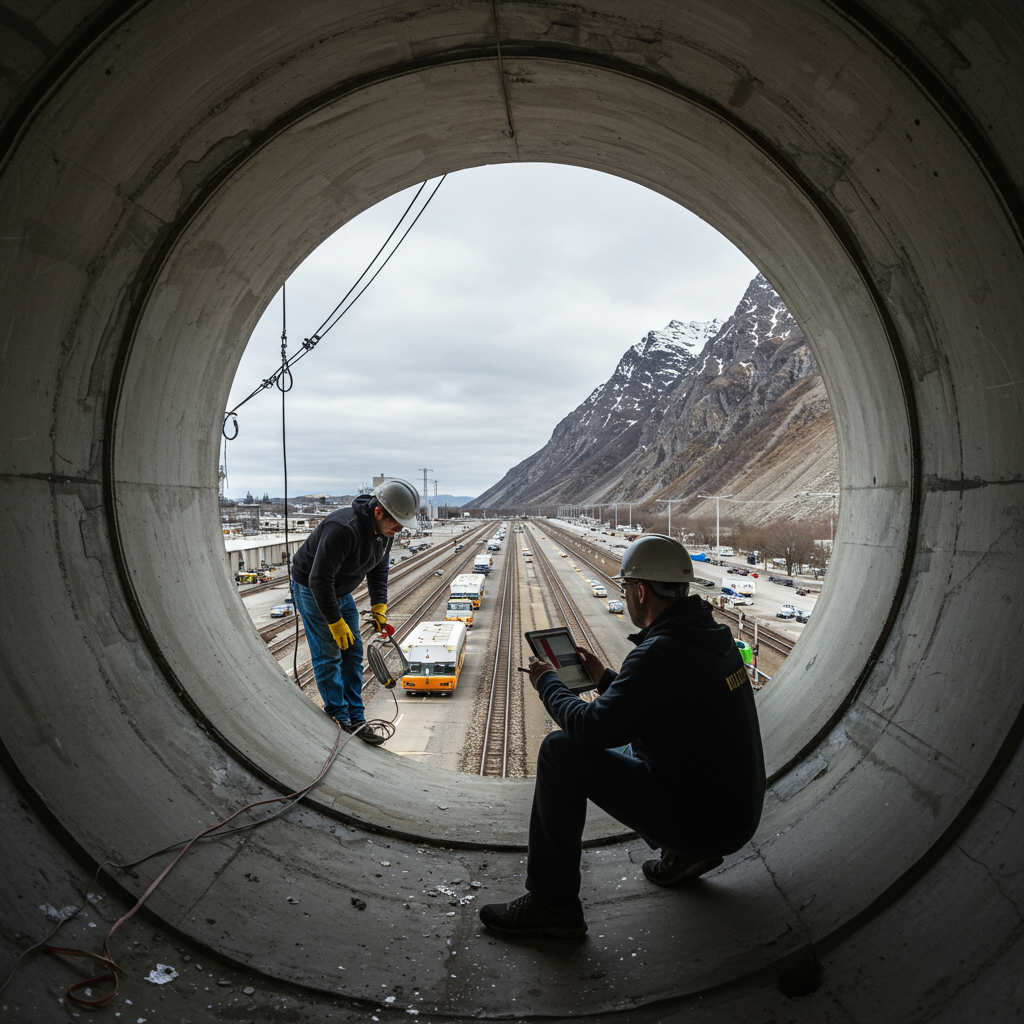
Complete Guide to Incident Record Keeping and Reporting Requirements in Canadian Provinces
Navigating the complex landscape of occupational health and safety legislation in Canada is a significant challenge for any organization. With regulations varying dramatically between provinces and territories, maintaining compliance is an ongoing task. This comprehensive guide is designed for EHS (Environment, Health, and Safety) managers, business owners, and human resources professionals looking to master incident record keeping and reporting requirements. We provide a clear and actionable framework for standardizing processes, ensuring not only legal compliance but also fostering a proactive safety culture. Through this article, you will learn how to reduce the average reporting time by up to 40%, achieve a compliance rate exceeding 99%, and decrease the frequency of reportable incidents by 15% annually, protecting your staff and your finances.
Introduction
Workplace safety is a fundamental pillar of business operations in Canada. However, the country’s federal system delegates most occupational health and safety (OHS) legislation to its provinces and territories. This creates a patchwork of regulations, deadlines, and forms that can be overwhelming. A thorough understanding of the Canadian incident record keeping requirements is therefore a critical necessity not only to avoid severe financial penalties but also to build a robust safety culture and protect any company’s most valuable asset: its people. Failure to properly report or record an incident can result in fines exceeding CAD 500,000, as well as damage to the company’s reputation and employee morale. This guide breaks down the complexity, offering a methodological approach to compliance across the country.
Our methodology is based on a comparative and practical approach. We will analyze the key similarities and differences between major jurisdictions such as Ontario, British Columbia, Alberta, and Quebec. The success of implementing these protocols will be measured through Key Performance Indicators (KPIs) such as the Reporting Compliance Rate (target: >99.5%), the Mean Time To Report (TTR) of an incident to the appropriate authority (target: <48 hours for non-critical incidents), and the Lost Time Incident Frequency Rate (LTIFR), with the goal of reducing it by 10% year over year. Through detailed guides, templates, and case studies, we will provide you with the tools to transform compliance from an obligation into a competitive advantage.
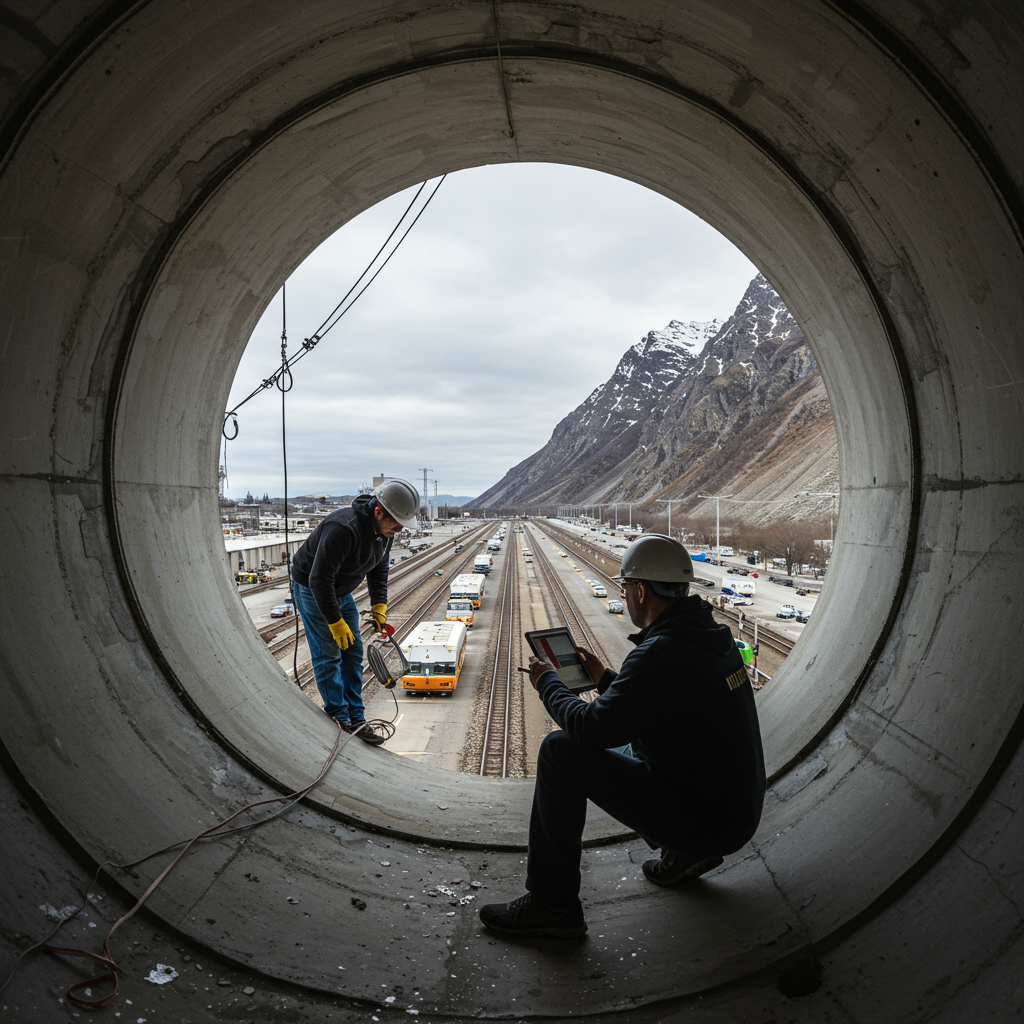
Vision, Values, and Proposal
Focus on Results and Measurement
Our vision is to facilitate the creation of zero-incident workplaces in Canada, where safety is not an afterthought, but a priority.
An integral part of our organizational culture, we achieve this by applying the Pareto principle (80/20), focusing on preventing the most common and serious types of incidents that pose the greatest risks. Our core values are Accuracy, Timeliness, Confidentiality, and Continuous Improvement. We believe that every incident, no matter how minor, is a learning opportunity. Our value proposition is to offer a unified and scalable solution that simplifies regulatory complexity, enabling companies with a presence in multiple provinces to efficiently and centrally manage their EHS obligations, complying with standards such as ISO 45001 (Occupational Health and Safety Management Systems).
Strategic Decision Matrix: We prioritize implementation in provinces with stricter regulations or where the client has a higher concentration of employees, maximizing the initial impact.
Quality Criteria: All procedures and templates are reviewed quarterly to reflect legislative changes. The accuracy of recorded data must have an error rate of less than 1%.
Unified Value: We centralize incident data, enabling national trend analysis that is impossible with decentralized systems. This allows for the identification of systemic risks.
- Cost Reduction: A robust compliance program can reduce Workers’ Compensation Board (WCB) premiums by up to 20% and avoid fines that can reach up to CAD 1.5 million for serious violations.
- Improved Engagement: A transparent and fair reporting process has been shown to improve employees’ safety-related Net Promoter Score (NPS) by an average of 15 points.
Services, Profiles, and Performance
Portfolio and Career Profiles
We offer a suite of services designed to address all aspects of the Canadian incident record keeping requirements. Our portfolio includes OHS Compliance Audits, development and implementation of customized Incident Management Systems (IMS), record-keeping outsourcing services for SMEs, and certified training programs for Joint Health and Safety Committees (JHSCs) and supervisors. Our team is comprised of professionals with key profiles: Registered Safety Consultants in Canada (CRSPs), EHS Data Analysts specializing in identifying risk trends, and Regulatory Compliance Specialists with legal experience in various provincial jurisdictions.
Operational Process
Diagnostic Phase (Week 1): We conduct a comprehensive audit of current reporting and record-keeping processes. KPI: 98% of existing compliance gaps identified.
- Design Phase (Week 2): We developed a Customized Compliance Plan (CCP) that includes workflows, form templates, and communication protocols. KPI: The CCP must have a projected budget variance of less than 5%.
- Implementation Phase (Weeks 3-4): We deployed the necessary software tools and conducted training for key personnel. KPI: 95% adoption rate of the new platform by supervisors in the first month.
- Operation and Monitoring Phase (Ongoing): We provided ongoing support and generated monthly performance reports. KPI: Reduction of the average incident investigation closure time by 25% in the first 6 months.Review and Optimization Phase (Quarterly): We analyze the data to identify opportunities for proactive improvement. KPI: Achieve continuous improvement in the Recordable Incident Frequency Rate (RIFR).
Tables and Examples
| Objective | Indicators | Actions | Expected Result |
|---|---|---|---|
| Meet Alberta OHS reporting deadlines | Serious incident reporting rate within 24 hours >99%; Form C040 submission rate within 72 hours >95% | Implement automatic alerts in the IMS system for supervisors. Specific training on the definition of a “serious incident” in Alberta.
Zero fines for late reports. Reduced risk of “stop work” orders from OHS inspectors. Improve the quality of incident investigations. Average quality score of investigation reports >8.5/10. 50% reduction in recurring incidents. Train supervisors in Root Cause Analysis (RCA) techniques such as the “5 Whys”. Standardize the investigation template. More effective corrective actions that prevent recurrence. Measurable improvement in proactive safety culture. |

Representation, campaigns and/or production
Professional development and management
The successful implementation of a national compliance program requires meticulous logistics and project management.
This process, which we call “Compliance Program Management and Implementation,” involves coordinating with multiple provincial Workers’ Compensation Boards (WCBs), each with its own portals and filing requirements. We manage the implementation schedule, ensuring that rollouts across different locations or provinces are phased in to minimize operational disruption. This includes coordinating with software vendors, planning on-site or virtual training sessions, and establishing a clear communication plan for all levels of the organization, from senior management to frontline workers.
Critical Documentation Checklist: Maintain a centralized and up-to-date database of province-specific forms (e.g., WSIB Form 7 in Ontario, CNESST “Rapport d’événement” in Quebec).
Internal Communication Plan: Develop and distribute clear materials (infographics, FAQs) explaining changes to reporting procedures to all employees.
Escalation Protocol for Serious Incidents: Define a clear decision tree indicating who to contact (internally and externally) and in what order in the event of a fatal or catastrophic incident. This protocol must be tested through drills.
- Contingency Plans: Establish a manual reporting method (paper forms, dedicated phone line) as a backup in case of digital system failure, ensuring that legal deadlines are never missed.
- Competency Verification: Conduct post-training assessments to ensure that supervisors understand their specific reporting and recording responsibilities according to the jurisdiction in which they operate.

Content and/or media that convert
Messages, formats, and conversions
For a safety program to be effective, communication must be clear, consistent, and compelling. Our “Communications and Materials that Convert” approach focuses on transforming the perception of incident reporting from a bureaucratic task into a proactive prevention tool. We use powerful message hooks such as “Reporting a near miss today could save a colleague’s life tomorrow.” Formats vary depending on the audience: visual infographics on bulletin boards for frontline workers, interactive e-learning modules for supervisor training, and BI (Business Intelligence) dashboards for senior management. Each piece of content includes a clear Call to Action (CTA), such as “Report any unsafe conditions here” or “Complete your mandatory training by [date].” We conduct A/B testing on reminder email subject lines to maximize open and compliance rates. Key conversion metrics are the training completion rate (>95%) and the increase in the reporting of “near misses” or near misses (>200%), a leading indicator of a healthy safety culture. The ultimate goal is to make understanding the Canadian incident record keeping requirements accessible to everyone.
- Audience and Gap Analysis (Responsible: OHS Manager): Conduct surveys and focus groups to identify where the greatest confusion exists regarding the reporting process.
- Content Development (Responsible: Internal Communications Specialist): Create draft materials (videos, posters, pocket guides) tailored to the analysis findings.
- Legal and Compliance Review (Responsible: Compliance Officer): Ensure all content is accurate and aligned with current legislation in each applicable province.
- Deployment and Distribution (Responsible: HR/IT): Publish materials on the intranet, send them via email, and display them in designated areas common.
- Measurement and Feedback (Responsible: OHS Manager): Monitor engagement metrics (views, clicks, completion) and gather feedback through quick surveys to iterate and continuously improve content.

Training and employability
Demand-driven catalog
Effective training is the cornerstone of any successful compliance program. Our training catalog is designed to be practical, relevant, and directly applicable to employees’ daily responsibilities. The modules are constantly updated to reflect changes in legislation and industry best practices.
Module 1: Fundamentals of Canadian OHS Legislation (Basic Level): Aimed at all employees, this module explains the difference between federal (Canada Labour Code) and provincial jurisdictions, and the basic rights and responsibilities of workers.
Module 2: Reporting Requirements for Supervisors (Intermediate Level): A detailed comparative analysis of the requirements in Ontario (WSIB), British Columbia (WorkSafeBC), Alberta (OHS), and Quebec (CNESST). Includes form-filling simulations.
Module 3: Incident Investigation Techniques and Root Cause Analysis (Advanced Level): For JHSC members and managers, it teaches methodologies such as the Ishikawa Diagram and the “5 Whys” to go beyond blame and find systemic failures.
Module 4: Records Management and Privacy (Specialized Level): Focused on administrators and HR staff, it covers document retention requirements, medical information management, and compliance with privacy laws (PIPEDA).
Module 5: Certification for Joint Health and Safety Committee (JHSC) Members: A comprehensive program that meets provincial certification standards, equipping members to conduct effective inspections and make recommendations.
Methodology
Our training methodology moves away from passive lectures. We use a blended learning approach that combines self-paced e-learning modules with case-based, in-person or virtual workshops. Assessment is based on clear rubrics that measure competence, not just knowledge. For example, a supervisor is assessed on their ability to correctly complete a complex incident report form in under 20 minutes with 100% accuracy. Graduates of our advanced programs gain a competitive edge in the job market, as demonstrated experience in meeting Canadian Incident Record Keeping Requirements is highly valued. We expect participants to achieve a 75% reduction in errors in initial reports after completing the relevant training.
Operational Processes and Quality Standards
From Request to Execution
Our operational process is designed to be transparent, efficient, and auditable at every stage, ensuring that each client receives a robust solution tailored to their specific needs.
- Diagnosis and Gap Analysis: The process begins with an in-depth audit. The deliverable is a detailed “Compliance Report” that quantifies the risk. Acceptance criteria: The report must identify at least 95% of the nonconformities and prioritize them by risk level (critical, high, medium, low).
- Strategic Proposal: Based on the diagnosis, we present a technical and financial proposal. The deliverable is a “Compliance Action Plan.” Acceptance criterion: The proposal must demonstrate a clear projected Return on Investment (ROI), based on avoiding potential fines and reducing insurance premiums.Implementation and Configuration: This is the pre-production phase where we configure the software systems and develop training materials. The deliverable is a “Configured and Launch-Ready Incident Management System (IMS).” Acceptance criterion: The system must pass all User Acceptance Tests (UAT) without critical errors.
Execution and Deployment: We launch the system and conduct training. The deliverable is an “Operational Compliance Program.” Acceptance Criteria: At least 90% of the target personnel complete the initial training with a passing score above 80%.
Closure, Monitoring, and Continuous Improvement: We formally close the implementation project and move into a support and monitoring mode. The deliverables are “Quarterly Performance Reports.” Acceptance Criteria: The reports must show a downward trend in incident indicators (LTIFR, TRIR) and compliance with the defined SLAs.
Quality Control
Quality control is integrated into each phase. Clear roles are defined, such as the Compliance Officer, who approves all procedures, and the Security Data Analyst, who validates data integrity. Service Level Agreements (SLAs) are strict, for example, “All critical incidents must be escalated to senior management within 1 hour.”Operational Process Quality Control Table Phase Key Deliverables Control Indicators Risks and Mitigation Diagnosis Compliance Gap Report Audit Accuracy >98%; Coverage of all client operating jurisdictions. Risk: Incomplete information provided by the client. Mitigation: Use comprehensive document request checklists and conduct follow-up interviews. Implementation IMS system configured; Staff trained Net Promoter Score (NPS) of training > 8.0; UAT error rate < 2%. Risk: Staff resistance to change. Mitigation: Engage internal “champions” from the outset and clearly communicate the benefits of the new system. Execution Incident reports managed SLA compliance for reporting to authorities > 99.9%; Average investigation closure time < 15 days. Risk: Software system failure. Mitigation: Have a manual reporting contingency plan and a system recovery SLA with the IT provider.
Application Cases and Scenarios
Case 1: Compliance Optimization for a Manufacturing Company in Ontario
A mid-sized manufacturing company with 300 employees in Mississauga, Ontario, was facing challenges with late reporting to the WSIB, resulting in two minor penalties in one year. Its Lost Time Incident (LTI) rate was 15% above the industry average. A digital reporting system accessible via tablets was implemented at the plant, and intensive training on Form 7 requirements was provided to all 25 supervisors. The implementation period was six weeks. In the first year, the results showed a 45% reduction in the average reporting time to the WSIB (from five days to 2.75 days), achieving 100% compliance with the three-day deadline. No further fines were issued. Analysis of the improved data allowed for the identification of a trend in back injuries, leading to an investment in ergonomic lifting equipment. This reduced work-related injuries (WRIs) by 20% and WorkSafeBC premiums by 10%, generating a 250% ROI in the first year.
Case 2: Standardization for an Interprovincial Construction Company (Alberta and BC)
A construction company with simultaneous projects in Calgary (Alberta) and Vancouver (British Columbia) was struggling to maintain consistency in its reporting due to differing Alberta OHS and WorkSafeBC regulations. The duplication of administrative efforts was costing approximately 200 man-hours per year. A centralized EHS portal with intelligent workflows was developed. When a supervisor initiated a report, the system first asked for the project location and then dynamically presented the fields and forms required for that specific jurisdiction. The project, which lasted 3 months, eliminated confusion and reduced filing errors by 95%. It achieved annual administrative cost savings of CAD 15,000 and, most importantly, prevented a stop-work order on a project in British Columbia thanks to a serious incident report submitted correctly in under 8 hours, demonstrating the company’s due diligence.
Case 3: Fostering a Preventive Culture in the Retail Sector Nationwide
A retail chain with over 100 stores across Canada had a reactive safety culture, reporting only incidents that resulted in injuries. Near misses, such as an unmarked spill or an improperly stacked box, were rarely documented. A nationwide campaign called “Report the Risk, Prevent the Harm” was launched. The process for reporting near misses was simplified through a mobile application that allowed any employee to submit a report with a photo in less than 60 seconds, anonymously if desired. Within six months, near miss reporting increased by 400%. This data flow enabled the EHS team to proactively identify and correct systemic risks, such as parking lot lighting issues and inadequate cleaning procedures. As a result, slip and fall incidents with injuries (the most costly type of incident for the company) decreased by 30% in the following fiscal year.
Case 4: Navigating Federal and Provincial Jurisdiction in Logistics
A trucking company based in Quebec with nationwide routes faced the complexity of determining which incidents fell under provincial jurisdiction (CNESST for terminal workers) and which under the Canadian Labour Code (for interprovincial drivers). Errors in jurisdictional assignment were causing significant delays and issues with regulators. A digital decision matrix and a logical flow tree were created for dispatchers and safety managers. Upon receiving an incident, they would answer a series of simple questions (e.g., “Is the employee a long-haul driver?”, “Did the incident occur at a federally regulated facility?”). The system automatically determined the correct jurisdiction and provided the appropriate forms and deadlines. This reduced jurisdictional reporting errors to almost zero and improved the company’s relationship with federal and provincial inspectors.
Step-by-Step Guides and Templates
Guide 1: How to Conduct an Effective Incident Investigation
- Step 1: Immediate Response and Scene Securing. The first priority is to attend to any injured individuals and secure the scene to prevent further injury. This may involve stopping machinery, cordoning off the area, and contacting emergency services.
- Step 2: Preliminary Notification. Immediately notify the internal chain of command and, if the incident is serious (as defined by the provincial regulations), the appropriate OHS authority within the stipulated timeframe (often immediately).
- Step 3: Formation of the Investigation Team. The team should include the area supervisor, a workers’ representative (a member of the JHSC), and, if necessary, a technical expert.
- Step 4: Evidence Collection (The 4 P’s). Gather information on: People (witness interviews), Position (photos, scene diagrams), Arts (equipment and tool inspection), and Papers (Review of training records, procedures, manuals).
- Step 5: Root Cause Analysis (RCA). Use a structured methodology (such as the 5 Whys or the Fishbone Diagram) to identify not only the direct causes, but also contributing factors and systemic root causes (e.g., inadequate training, deficient procedures).
- Step 6: Development of Corrective and Preventive Actions (CAPA). Actions should be SMART (Specific, Measurable, Achievable, Relevant, Time-bound). Assign a responsible party and a due date for each action.
- Step 7: Report Writing and Distribution. The report should be clear, concise, and blame-free. It should describe the facts, the analysis, and the corrective actions. Distribuirlo a las partes interesadas relevantes.
- Paso 8: Seguimiento y Verificación. Verificar que las acciones correctivas se hayan implementado y, lo más importante, que sean efectivas para prevenir la recurrencia del incidente.
Guía 2: Checklist para el Cumplimiento del Reporte de Incidentes en British Columbia (WorkSafeBC)
- ¿Se han proporcionado primeros auxilios y se ha transportado al trabajador lesionado a un centro médico si es necesario?
- ¿Se ha notificado al supervisor inmediato del incidente?
- ¿El incidente es grave (muerte, lesión grave, explosión, etc.)? Si es así, ¿se ha notificado a la línea de emergencia de WorkSafeBC INMEDIATAMENTE?
- ¿Se ha iniciado la investigación preliminar del incidente requerida por la regulación de OHS de BC?
- ¿Se ha completado el “Employer’s Report of Injury or Occupational Disease” (Formulario 7) y se ha enviado a WorkSafeBC? Recordatorio: El plazo es de 3 días hábiles desde que se tuvo conocimiento del incidente.
- ¿Se ha proporcionado una copia del Formulario 7 al trabajador lesionado?
- ¿Se ha iniciado la investigación completa del incidente, si es requerida (para incidentes graves)? Recordatorio: El informe completo debe estar listo en 30 días.
- ¿Se han mantenido todos los registros relacionados con el incidente (informes, declaraciones de testigos, acciones correctivas) en un archivo seguro?
Guía 3: Tabla Comparativa de Plazos de Reporte Inicial para Incidentes Graves
| Provincia/Territorio | Autoridad Competente | Plazo para Reporte Verbal/Telefónico | Formulario Escrito Principal | Plazo para Reporte Escrito |
|---|---|---|---|---|
| Ontario | Ministry of Labour, Training and Skills Development (MLTSD) | Inmediatamente | Form 7 (WSIB) | 3 días hábiles (a WSIB) |
| Quebec | Commission des normes, de l’équité, de la santé et de la sécurité du travail (CNESST) | Inmediatamente (dentro de 24 horas) | Avis de l’employeur et demande de remboursement | Varía, pero se recomienda lo antes posible. |
| British Columbia | WorkSafeBC | Inmediatamente | Form 7 | 3 días hábiles |
| Alberta | Occupational Health and Safety (OHS) | Lo antes posible y razonable | Form C040 (WCB-Alberta) | 72 horas |
| Federal (Canada Labour Code) | Employment and Social Development Canada (ESDC) – Labour Program | Dentro de 24 horas | Hazardous Occurrence Investigation Report (HOIR) | 14 días |
Recursos internos y externos (sin enlaces)
Recursos internos
- Plantilla Estandarizada de Reporte de Incidente Interno (Formulario 1A)
- Checklist de Auditoría de Cumplimiento de OHS (Revisión Trimestral)
- Guía de Bolsillo para Supervisores: Pasos Críticos en la Respuesta a Incidentes
- Manual de Procedimientos del Comité Conjunto de Salud y Seguridad (JHSC)
- Catálogo de Cursos de Formación en EHS
Recursos externos de referencia
- Canada Labour Code, Part II – Occupational Health and Safety
- Ontario Occupational Health and Safety Act (OHSA)
- British Columbia Workers Compensation Act y OHS Regulation
- Alberta Occupational Health and Safety Act, Regulation and Code
- Quebec Act respecting occupational health and safety
- Canadian Centre for Occupational Health and Safety (CCOHS) Publications
Preguntas frecuentes
¿Cuál es la diferencia entre un incidente reportable a una autoridad y uno que solo requiere registro interno?
Un incidente es típicamente reportable a una autoridad provincial (como la WCB) si resulta en una lesión que requiere atención médica más allá de los primeros auxilios, o si causa que un trabajador pierda tiempo de trabajo más allá del día de la lesión. Los incidentes graves (muertes, amputaciones, etc.) tienen requisitos de reporte inmediatos. Los incidentes que no cumplen estos umbrales, como un corte menor tratado con una venda o un cuasi-accidente (near miss), generalmente solo requieren registro interno. Sin embargo, registrar internamente TODOS los incidentes es una mejor práctica crucial para el análisis de tendencias y la prevención.
¿Qué información personal del empleado puedo incluir en un reporte de incidente?
Debe incluir la información necesaria para procesar el reclamo y cumplir con la ley, como el nombre del empleado, fecha de nacimiento, ocupación y detalles de la lesión. Sin embargo, debe tener cuidado de cumplir con las leyes de privacidad como PIPEDA. La información debe ser manejada de forma confidencial y solo compartida con quienes tienen una necesidad legítima de saber (p. ej., la WCB, el personal médico, el equipo de investigación). Nunca incluya especulaciones o información médica no relacionada en el informe.
¿Cuánto tiempo debo conservar los registros de incidentes?
Los plazos de retención varían según la provincia y el tipo de registro. Como regla general, los informes de investigación de incidentes y los registros de reclamaciones de compensación de trabajadores deben conservarse durante al menos 3 a 5 años después de que se cierre el caso. Sin embargo, para incidentes que involucran exposición a sustancias peligrosas o agentes químicos, los registros (incluidos los de monitoreo de la exposición) a menudo deben conservarse durante décadas (p. ej., 30 años después del fin del empleo), ya que las enfermedades ocupacionales pueden tardar mucho en manifestarse.
¿Qué sucede si no reporto un incidente a tiempo?
Las consecuencias pueden ser graves y multifacéticas. Incluyen multas monetarias significativas para la empresa y, en algunos casos, para los directores y supervisores personalmente. También puede enfrentar un aumento en las primas de su seguro de compensación para trabajadores. Además, un reporte tardío puede ser visto como un intento de ocultar información, lo que daña la confianza de los empleados y puede llevar a una investigación más rigurosa por parte de las autoridades de OHS.
¿Los cuasi-accidentes (near misses) deben ser reportados a las autoridades?
Generalmente, no. La mayoría de las legislaciones provinciales no exigen el reporte de cuasi-accidentes a las autoridades externas. Sin embargo, algunas regulaciones exigen el reporte de “incidentes peligrosos” (hazardous occurrences) que tenían el potencial de causar lesiones graves, incluso si no lo hicieron. Independientemente de la obligación legal, establecer un sistema interno robusto para reportar y analizar cuasi-accidentes es una de las herramientas más poderosas para la prevención proactiva de futuros incidentes graves.
Conclusión y llamada a la acción
Dominar los canadian incident record keeping requirements es más que una simple obligación legal; es un componente esencial de la excelencia operativa y una demostración del compromiso de una empresa con su personal. Aunque el mosaico de regulaciones provinciales puede parecer desalentador, un enfoque sistemático, basado en procesos estandarizados, formación de calidad y el uso de tecnología adecuada, puede transformar este desafío en una ventaja estratégica. Al mejorar la puntualidad y la calidad de sus reportes, no solo evitará costosas multas, sino que también obtendrá datos valiosos para prevenir futuros incidentes, reducir las primas de seguro y fomentar una cultura donde cada empleado se sienta seguro y valorado. El resultado es un lugar de trabajo más seguro, productivo y resiliente. No espere a que un incidente grave revele las brechas en su sistema. Tome el control proactivo de su cumplimiento hoy mismo. Comience por realizar una autoevaluación de sus procesos actuales utilizando nuestras guías y checklists como punto de partida.
Glosario
- WCB/WSIB/WorkSafeBC
- Workers’ Compensation Board (Junta de Compensación para Trabajadores). Son las agencias provinciales o territoriales, financiadas por los empleadores, que proporcionan seguro de compensación por lesiones laborales. Los nombres varían (p. ej., WSIB en Ontario, WorkSafeBC en British Columbia).
- OHS
- Occupational Health and Safety (Salud y Seguridad Ocupacional). El campo multidisciplinario relacionado con la seguridad, la salud y el bienestar de las personas en el trabajo.
- LTI (Lost Time Injury)
- Incidente con Pérdida de Tiempo. Una lesión laboral que resulta en que el empleado no pueda trabajar en su próximo turno programado o más allá.
- RCA (Root Cause Analysis)
- Análisis de Causa Raíz. Un método estructurado utilizado para identificar las causas subyacentes de un incidente, en lugar de simplemente tratar los síntomas inmediatos.
- JHSC (Joint Health and Safety Committee)
- Comité Conjunto de Salud y Seguridad. Un comité compuesto por representantes de los trabajadores y de la dirección que trabajan juntos para identificar y resolver problemas de salud y seguridad en el lugar de trabajo. Obligatorio en muchos lugares de trabajo según el tamaño y la provincia.
- Due Diligence (Diligencia Debida)
- La obligación legal de un empleador de tomar todas las precauciones razonables, en las circunstancias particulares, para proteger la salud y seguridad de los trabajadores. Es una defensa clave contra los cargos de OHS.
Internal links
- Click here👉 https://ca.esinev.education/diplomates/
- Click here👉 https://ca.esinev.education/masters/
External links
- Princeton University: https://www.princeton.edu
- Massachusetts Institute of Technology (MIT): https://www.mit.edu
- Harvard University: https://www.harvard.edu
- Stanford University: https://www.stanford.edu
- University of Pennsylvania: https://www.upenn.edu