
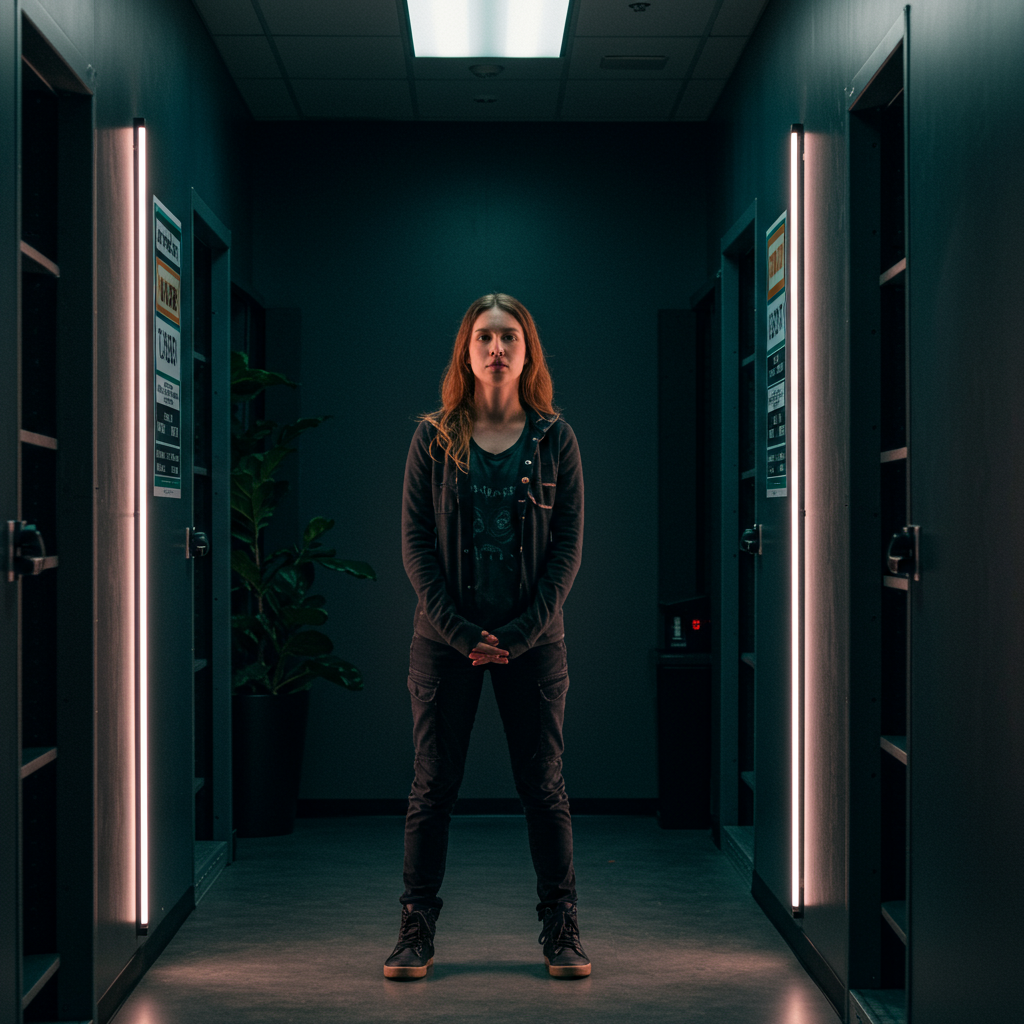
Functional Greenrooms: How to Master Greenroom Requirements, Calm Zones, and VIP Care
This article provides a strategic and operational framework for transforming greenrooms from simple waiting areas into assets that boost talent performance and satisfaction. We cover all the key aspects in depth, from interpreting and executing riders to creating calm zones and managing VIP care. The methodology focuses on auditable processes, measuring key performance indicators (KPIs) such as the artist’s Net Promoter Score (NPS), budget variance below 5%, and improving operational efficiency. Aimed at event producers, tour managers, and venue managers, this guide provides the tools to raise the bar for hospitality, minimize risks, and ensure that every detail of the greenroom requirements contributes to the overall success of the event.
Introduction
In the fast-paced world of live events, concerts, and high-profile productions, success is often measured by what happens in front of the audience. However, seasoned professionals know that the true catalyst for a memorable performance lies backstage, specifically in the greenroom. This space, far from being a mere logistical appendage, is the artist’s sanctuary, the nerve center for concentration and recovery. Poor management of this area can generate friction, stress, and negatively impact performance. Conversely, flawless execution of the greenroom requirements translates directly into happier, more focused talent, ready to deliver their best. This article breaks down the science and art of creating functional greenrooms, transforming the complex demands of a rider into a seamless and predictable experience that protects the most valuable investment in any production: human talent.
Our methodology is based on a proactive and systematic approach. Instead of reacting to requests, we establish a process that anticipates needs, optimizes resources, and tangibly measures results. We’ll analyze how to implement measurable quality standards, from acoustic control in decibels (dB) to internet connection speed in Mbps. The key performance indicators (KPIs) we’ll guide include artist satisfaction score (NPS), budget adherence with less than 5% deviation, rider execution accuracy (greater than 98%), and a reduction in last-minute issues. This structured approach allows production teams to scale their hospitality operations, ensure consistency across different events, and build a reputation for excellence that attracts and retains top talent.
Vision, values, and proposal
Focus on results and measurement
Our vision is to redefine We view the greenroom as a strategic performance center, not a cost center. We believe that every euro invested in quality hospitality generates a measurable return in the form of better performances, stronger artist relationships, and a more robust production brand. Our core values are proactivity, discretion, precision, and anticipation. We apply the Pareto principle (80/20) to prioritize our efforts: we focus on the 20% of rider requirements that generate 80% of the positive impact, such as seamless Wi-Fi connectivity, strict adherence to critical dietary needs, precise temperature control (21.5°C ± 1°C), and, above all, an acoustically isolated environment. We adhere to technical standards such as electrical safety regulations, food handling health codes (HACCP), and acoustic comfort guidelines that aim to maintain ambient noise levels below 45 dB in rest areas.
Value Proposition: We transform rider management from a reactive and stressful task into a systematic and controlled process that enhances the artist experience and reduces operational risks.
Quality Criteria: Each rider item is checked and photographed before arrival. Rest areas are measured with a sound level meter. Network speed is certified through testing.
- Supplier Decision Matrix:
- Reliability (On-time delivery history > 99%).
- Product Quality (Meets exact rider specifications).
- Responsiveness (24/7 availability during the event).
- Confidentiality (Non-disclosure agreement signed).
Services, Profiles, and Performance
Portfolio and Professional Profiles
We offer a portfolio of hospitality and backstage management services designed to cover the entire event lifecycle. These services are designed to meet and exceed the most complex greenroom requirements, guaranteeing a five-star experience for talent. Key roles on our team include:
Greenroom Manager: The project leader. Oversees budget, space design, logistics, and team coordination. Is the primary point of contact for the tour manager.
Hospitality Coordinator: Specializes in the execution of the hospitality rider (food, beverages, amenities). Manages catering suppliers, makes purchases, and ensures presentation and quality.
Backstage Technical Specialist: Ensures all greenroom technical requirements (Wi-Fi, power outlets, specific lighting, audio/video equipment) function flawlessly.
Artist Liaison: The talent’s personal host. Anticipates needs, manages the flow of people, and acts as a discreet and efficient concierge.
Operational Process
Phase 1: Analysis and Planning (30 days). Rider receipt. Breakdown into categories (catering, technical, logistics, security). Creation of a detailed budget. KPI: Delivery of the rider fulfillment proposal in <48 hours.
Phase 2: Procurement and Design (21 days). Selection and contracting of suppliers. Design of the greenroom layout in CAD. Confirmation of all items with the artist’s team. KPI: Procurement cost deviation <3% of the approved budget. Phase 3: Pre-assembly and Verification (48 hours). Supervision of cleaning and preparation of the space. Testing of all technical equipment. Receiving and storing supplies. KPI: Pre-setup checklist 100% complete. Phase 4: Live Execution and Management (Day of the Event). Final setup. Team briefing. Active management during the artist’s stay, with a focus on anticipation. KPI: Artist NPS > 9.0. Zero critical complaints.
Phase 5: Teardown and Post-Event (T+24 hours). Efficient teardown. Invoice reconciliation. Sending a feedback report to the client and the artist’s team. KPI: Final report delivered in <72 hours.
Tables and examples
Capacity for 4K streaming, uninterrupted video conferencing, and fast downloads.Strict adherence to dietary rider.100% accuracy on items marked as “allergy” or “critical.” Deviation < 2% on secondary items.Triple verification: purchase, receipt, and placement. Clear labeling of all products. Direct communication with the chef/supplier.Zero health incidents. Full confidence from the artist’s team in the hospitality management.Creating an effective calming environment.Ambient noise level < 45 dB. Adjustable lighting between 50 and 500 lux. Independent temperature control.Select the room furthest from the stage. Add temporary acoustic panels. Install dimmers.A functional space for rest, meditation, or focused work, improving the artist’s well-being.Optimize security and privacy.Zero unauthorized access. Access control via chip-based credentials.Assign a dedicated security guard to the area. Implement a system of wristbands or specific passes. Pre-event security sweep.Talent and their team feel completely safe and protected from unwanted intrusions.
| Objective | Indicators | Actions | Expected result |
|---|---|---|---|
| Ensure high-speed connectivity | Download/upload speed > 150 Mbps; Latency < 20 ms; Uptime > 99.9% | Contract a dedicated fiber optic line. Install enterprise-grade APs. Having a 5G backup. |

Production Logistics and Rider Management
Professional Development and Management
Flawless greenroom execution is a production discipline in itself. It involves precise logistics, supply chain management, and robust contingency planning. Supplier coordination is essential: from the specialized caterer who can source a specific imported water brand, to the furniture rental company that has a particular ergonomic chair model. The execution schedule is planned down to the minute: the delivery of fresh food must be coordinated to coincide with the chef’s arrival, and the furniture assembly must be completed before the technical team installs the sensitive equipment. In many cases, special permits are required, for example, to install additional generators if the venue’s power is insufficient or to manage the logistics of large vehicles in restricted urban areas.
Documentation Checklist: Contracts with suppliers, non-disclosure agreements (NDAs), liability insurance, venue plans, detailed run sheets.
Alternative Stock Options: For each critical rider item, have a second and third option pre-approved by the tour manager. This is vital for products with variable availability.
Contingency Plan A: Supplier issue (delay, order error). Activation of the backup supplier.
Contingency Plan B: Venue issue (power outage, HVAC failure). Emergency generator and portable air conditioning units on standby.
Contingency Plan C: Staffing issue (personal crisis, illness). Discreet communication protocol, pre-established medical contact, alternative exit routes.

Communication and Documentation that Prevent Crises
Messages, Formats, and Conversions: Optimizing Greenroom Requirements
“Conversion” in the context of greenroom management means achieving final approval from the tour manager with minimal back-and-forth, establishing a foundation of trust from the outset. The key content is the Rider Breakdown, an internal document that translates requests into actionable tasks, and the Fulfillment Proposal, which is presented to the artist’s team. The “hook” is the speed and thoroughness of this proposal. The Call to Action (CTA) is a simple request such as “Please review and confirm” or “Please indicate your preferences for points X and Y.” We conduct A/B testing on our communication formats: do people respond better to a detailed PDF document or an interactive online platform with images of the proposed products? The conversion metrics are the average response time and the number of revisions required to reach approval. A good communication process regarding greenroom requirements reduces ambiguity and prevents costly misunderstandings on the day of the event.
- Receipt and Acknowledgement (Responsible: Greenroom Manager): Send an email confirming receipt of the rider within 2 hours.
- Rider Breakdown Creation (Responsible: Greenroom Manager): Use a standardized template to break down each item with columns for “Action,” “Responsible,” “Potential Supplier,” “Estimated Cost,” and “Notes/Risks.” Deadline: 4 hours.
- Task Assignment (Responsible: Greenroom Manager): Assign sections of the breakdown to hospitality coordinators and technicians. Timeframe: 1 hour.
- Research and Sourcing (Responsible: Coordinators): Obtain quotes and confirm availability of all items. Timeframe: 24 hours.
- Preparation of the Compliance Proposal (Responsible: Greenroom Manager): Consolidate the information into a clear document, indicating what will be 100% fulfilled, what requires clarification, and what alternatives are proposed. Include photos, plans, and costs. Deadline: 8 hours.
- Submission and Follow-up (Responsible: Greenroom Manager): Send the proposal to the tour manager and schedule a follow-up reminder if there is no response within 48 hours.
- Feedback Reception and Integration (Responsible: Greenroom Manager): Update the plan with the responses and obtain final written approval.

Training and Employability
Demand-Driven Catalog
Excellence in greenroom management requires highly qualified personnel. To this end, we have developed a catalog of internal training and training for industry professionals, focused on the practical skills demanded by the high-end events market.
-
- Module 1: Anatomy of a Rider: From A to Z. Techniques for breaking down complex riders (technical, hospitality, security). Identifying deal breakers and negotiation points.Module 2: Artist Psychology and Managing High-Pressure Environments. Training in emotional intelligence, nonverbal communication, conflict resolution techniques, and maintaining composure under stress.
Module 3: Crisis Management in VIP Areas: Action Protocols. Crisis scenario simulations: medical emergencies, security breaches, impossible last-minute requests.
Module 4: Logistics and Supply Chain for Events. How to find and veto reliable suppliers. Price and contract negotiation techniques. Real-time inventory management.
- Module 1: Anatomy of a Rider: From A to Z. Techniques for breaking down complex riders (technical, hospitality, security). Identifying deal breakers and negotiation points.Module 2: Artist Psychology and Managing High-Pressure Environments. Training in emotional intelligence, nonverbal communication, conflict resolution techniques, and maintaining composure under stress.
Module 5: Health, Safety, and Acoustic Regulations in Temporary Spaces. Practical application of local and international regulations to ensure a safe and comfortable environment.
Module 6: Technology for the Modern Backstage. Configuration of robust Wi-Fi networks, charging solutions, internal communication systems, and project management software.
Methodology
Our training methodology is eminently practical. Assessment is carried out using detailed rubrics that measure specific competencies in simulated scenarios. For example, students must set up a complete greenroom based on a real rider within a limited time, and are evaluated on accuracy, efficiency, and problem-solving. Practical exercises are conducted at real events under the supervision of a senior mentor. The top-performing graduates are added to our talent pool, with a 90% employability rate within the first 6 months. The expected outcome is a professional capable of independently managing the greenroom requirements of any production, always guaranteeing the highest quality standards.
Operational Processes and Quality Standards
From Request to Execution
- Diagnosis: The first phase involves a site audit. Access, electrical power, connectivity, sound insulation, and traffic flow are evaluated. An initial meeting is held with the client to understand the talent profile and the event objectives. The deliverable is a “Site Feasibility Report.”
- Proposal: With the rider in hand and the diagnosis completed, a detailed proposal is prepared. It includes a detailed budget, plans of the proposed layout, an aesthetic mood board, and a description of the service level. The acceptance criterion is the client’s signature.
- Pre-production: Once approved, the most intensive phase begins. Contracts are signed with suppliers, a detailed production schedule (Gantt chart) is created, and technical briefings are held. The key deliverable is the “Greenroom Production Book,” which contains all the information in one place.
- Execution: This corresponds to the setup and management during the event. The team operates according to the Production Book. Communication is centralized through a dedicated radio channel. The acceptance criteria are adherence to the schedule and proactive resolution of any unforeseen issues.
- Closure: After the event, dismantling is supervised, all invoices are collected for budget reconciliation, and feedback is gathered from the client and the artist’s team through a standardized questionnaire (NPS). The final deliverable is the “Post-Event Report and Financial Closure.”
Quality Control
- Defined Roles: The Greenroom Manager has final authority over operational decisions. The Hospitality Coordinator has signing authority for pre-approved low-value purchases.
- Issue Escalation: Level 1 (minor): resolved by any team member. Level 2 (moderate): requires intervention from the Coordinator. Level 3 (critical): immediately escalated to the Greenroom Manager. Level 4 (crisis): The Greenroom Manager informs the General Event Producer.Acceptance Indicators (SLAs): Ambient temperature maintained within ±1°C of the requested value. 100% of catering items must be in place 2 hours before the artist’s arrival. Wi-Fi must be tested and certified 4 hours in advance.
ExecutionGreenroom functional and managed.Artist NPS > 9. Zero security incidents. 99% on-time performance.Risk: Last-minute request impossible to fulfill. Mitigation: The team is trained to manage expectations, explain limitations, and proactively offer satisfactory alternatives.ClosurePost-Event Report.Financial Closing.Final budget deviation < 5%. Report delivered within 72 hours.Risk: Discrepancies in supplier invoices. Mitigation: Use purchase orders for all expenses and reconcile them in real time during the event.
| Phase | Deliverables | Control Indicators | Risks and Mitigation |
|---|---|---|---|
| Diagnosis | Venue Feasibility Report | Inspection completed with a 100-point checklist. Report delivered within 24 hours. | Risk: The venue does not meet basic requirements (e.g., power). Mitigation: Identify it early to propose solutions (generators) or find another venue. |
| Proposal | Detailed budget. Plans. | Budget with estimated deviation < 5%. Proposal sent within 72 hours of receiving the rider. | Risk: The client rejects the budget because it is too high. Mitigation: Present 3 options (Basic, Standard, Premium) with clear costs and benefits. |
| Pre-production | Greenroom Production Book. Signed contracts. | 100% of suppliers confirmed 1 week prior. 100% of rider items located. | Risk: A key supplier fails. Mitigation: Have a database of backup suppliers already vetoed and ready to be contacted. |
Application Cases and Scenarios
Case 1: International Music Festival with 50 Artists
The challenge was to manage 10 greenrooms simultaneously for 50 artists of different genres and levels of popularity over a weekend. The key was standardization and scalability. A standard “Greenroom Kit” was created for all artists (sofa, mirror, coat rack, mini-fridge, welcome kit) and then customized according to the rider’s level. A color-coded zoning system was implemented for catering logistics, preventing confusion. The KPIs were a success: the average “reset” time for a greenroom between artists was only 18 minutes. Rider fulfillment accuracy exceeded 98.5%. The average NPS for artists was 9.2. The ROI was demonstrated by the renewal of the contract for the next 3 years and by positive public comments from several artists about the organization.
Case 2: Corporate Technology Summit with VIP Speakers (CEOs)
In this scenario, the greenroom requirements focused not on eccentricities, but on functionality, technology, and absolute privacy. The space had to serve as a high-performance temporary office. A dedicated fiber optic network with Wi-Fi 6 was installed, guaranteeing symmetrical speeds of 500 Mbps. Each of the five private pods within the main greenroom was soundproofed (35 dB reduction), equipped with a universal charging station, a 4K monitor, and a printer/scanner. Security was paramount, with biometric access control and discreet security personnel. The measured KPIs were: zero connectivity interruptions, ambient noise levels maintained below 40 dB, and 100% speaker satisfaction (NPS of 10), who highlighted the ability to work uninterrupted until their presentations. The perceived Average Daily Rate (ADR) of the event increased, as attendees appreciated the access to such high-caliber speakers.
Case 3: National Tour of a Play
The challenge here was consistency. The show visited 15 different theaters over 10 weeks, each with a distinct backstage area. The solution was to design and build a “Mobile Greenroom.” Modular flight cases were used, containing all the furniture, a high-quality coffee maker, a sound system, and even a small library. The advance team arrived in each city two days prior to the show to adapt the local theater space to the standard layout. This ensured that the cast and crew always found the same familiar and functional environment, reducing the stress of constant travel. The KPIs focused on efficiency: the greenroom setup time was standardized at four hours. The weekly hospitality budget had an average deviation of only 2.5%. Team morale remained high throughout the tour, with a 30% reduction in sick days compared to previous tours.
Case Study 4: Music Video Production for a Pop Artist
In a shoot that lasted 18 hours straight, the greenroom became a vital oasis. Key requirements were varied: a wardrobe and makeup area with professional lighting (CRI 95+) and full-length mirrors, a completely dark and quiet rest area for short naps, and continuous catering with healthy and energizing options available 24/7. We worked closely with the director and director of photography to ensure the greenroom was close to the set but acoustically isolated. A shift system was implemented for the hospitality staff to guarantee fresh and attentive service even in the final hours. The result was a seamless production, where the artist and dancers were able to maintain their energy and performance at peak levels throughout the day. El feedback del manager fue claro: “El mejor soporte de backstage que hemos tenido. Fue un factor clave para terminar a tiempo y dentro del presupuesto”.
Guías paso a paso y plantillas
Guía 1: Checklist Definitivo para Auditar un Recinto para Greenrooms
- Acceso y Seguridad: ¿Hay una entrada separada para el talento que evite al público? ¿Se puede establecer un perímetro de seguridad claro? ¿Las puertas tienen cerraduras fiables?
- Dimensiones y Layout: Medir el área total (m²). ¿Es suficiente para el número de personas? ¿Hay espacios separables para crear zonas privadas o de calma? Dibujar un plano a escala.
- Potencia Eléctrica: ¿Cuántos circuitos independientes hay? ¿Cuál es el amperaje total disponible? ¿Están las tomas de corriente en buen estado y bien distribuidas? Solicitar un plano eléctrico.
- Conectividad: ¿Hay conexión a internet por cable? Realizar un test de velocidad (descarga, subida, latencia). ¿Cuál es la cobertura y la calidad de la señal móvil?
- HVAC y Ventilación: ¿El espacio tiene control de temperatura independiente? ¿El sistema es ruidoso? ¿Hay buena circulación de aire o ventanas practicables?
- Aislamiento Acústico: Con el evento principal en marcha (o una simulación de ruido), medir los decibelios dentro del espacio. ¿Se cuela el sonido del escenario o del público?
- Baños y Zonas de Aseo: ¿Hay baños privados y dedicados? ¿Están limpios y en buen estado? ¿Hay duchas disponibles?
- Logística: ¿Qué tan cerca está el greenroom del escenario? ¿Del aparcamiento de producción? ¿Hay pasillos o ascensores lo suficientemente anchos para flight cases?
Checklist final de auditoría: [ ] Acceso seguro, [ ] Espacio adecuado, [ ] Potencia suficiente, [ ] Conectividad probada, [ ] HVAC funcional, [ ] Aislamiento acústico aceptable (>45 dB de reducción), [ ] Baños privados, [ ] Logística fluida.
Guía 2: Cómo Negociar y Aclarar un Rider Ambiguo
- Acusar recibo y agradecer: Siempre empezar con una comunicación positiva y profesional. “Hemos recibido el rider, gracias por enviarlo con tiempo. Estamos revisándolo en detalle.”
- Agrupar y categorizar: No responder punto por punto. Agrupar las dudas por categorías: “Preguntas sobre el catering”, “Aclaraciones técnicas”, “Detalles logísticos”.
- Confirmar lo claro: Empezar la comunicación listando todo lo que está claro y será cumplido al 100 %. Esto genera confianza. “Confirmamos que tendremos X, Y y Z tal como se solicita.”
- Formular preguntas precisas para lo ambiguo: En lugar de “¿A qué se refieren con ‘snacks saludables’?”, preguntar: “¿Para los ‘snacks saludables’, prefieren opciones como fruta fresca, barritas de proteínas, frutos secos o una combinación? ¿Alguna alergia o preferencia (vegano, sin gluten)?”.
- Proponer alternativas viables para lo imposible: Si piden una marca que no está disponible en el país, investigar y proponer 2-3 alternativas de calidad similar. “La marca de agua ‘Glacier Pure’ no se distribuye localmente. Podemos ofrecer ‘Aqua Alpina’ o ‘Voss’, que son de calidad premium similar. ¿Cuál prefieren?”. Incluir fotos si es posible.
- Consolidar en un único documento: Enviar todas las preguntas y propuestas en un solo email o documento para facilitar la revisión y aprobación por parte del tour manager.
Guía 3: Plantilla para el Briefing del Equipo de Hospitalidad (T-3 horas)
- Visión General (5 min): Quién es el artista, tipo de evento, importancia de su bienestar. Repasar el objetivo principal: “Nuestra meta es que el artista solo se preocupe de su actuación”.
- Plano y Zonas (5 min): Revisar el plano del greenroom. Delimitar zonas: zona de calma, zona social, zona de trabajo, zona de no acceso. Quién tiene acceso a cada zona.
- Asignación de Roles (5 min): Quién es el Enlace de Artista principal. Quién se encarga de reponer el catering. Quién es el punto de contacto para problemas técnicos.
- Revisión de los Requisitos Greenroom Clave (10 min): Repasar los 5-10 puntos más críticos del rider. Alergias, bebidas específicas, temperatura, peticiones especiales. Asegurarse de que todos saben dónde está cada cosa.
- Protocolos de Comunicación (5 min): Canal de radio a usar. Palabra clave para situaciones de emergencia. Cadena de mando para la toma de decisiones. Regla de oro: “No decir ‘no sé’, decir ‘déjame comprobarlo'”.
- Horarios Clave (5 min): Hora de llegada del artista (ETA), soundcheck, puertas, show, salida. Momentos críticos donde se requiere silencio o máxima atención.
- Ronda de Preguntas (5 min): Espacio para que el equipo resuelva cualquier duda.
Recursos internos y externos (sin enlaces)
Recursos internos
- Plantilla de Desglose de Rider en Google Sheets/Excel.
- Checklist de Auditoría de Recintos (100 puntos).
- Plantilla de Propuesta de Cumplimiento de Rider.
- Guía de Estilo de Comunicación con Management y Artistas.
- Base de Datos de Proveedores Verificados por Ciudad.
Recursos externos de referencia
- Normativas de Seguridad en Eventos (basadas en la Event Safety Alliance).
- Estándares de Higiene y Manipulación de Alimentos (APPCC – Análisis de Peligros y Puntos de Control Crítico).
- Guías de la Organización Mundial de la Salud sobre niveles de ruido seguros.
- Publicaciones de asociaciones profesionales como ILEA (International Live Events Association).
- Manuales técnicos de equipos de red (Cisco, Ubiquiti) para configuraciones robustas.
Preguntas frecuentes
¿Cuál es el error más común al gestionar un greenroom?
El error más frecuente es la reactividad. Muchos equipos esperan a que el artista llegue para solucionar problemas o atender peticiones, en lugar de anticiparlas. Un enfoque proactivo, que verifica cada detalle y tiene planes de contingencia, es lo que diferencia un servicio aceptable de uno excepcional.
¿Cómo se gestiona una petición imposible o extravagante de un rider?
Con profesionalidad y creatividad. Nunca se dice un “no” rotundo. Primero, se investiga si es realmente imposible. Si lo es, se comunica de forma transparente al tour manager lo antes posible, explicando el porqué (logística, legalidad, disponibilidad) y presentando inmediatamente 2 o 3 alternativas bien pensadas que capturen la esencia de la petición original.
¿Qué porcentaje del presupuesto de un evento debería destinarse al greenroom?
No hay una regla fija, pero una buena referencia es entre el 3 % y el 10 % del caché del artista. Para artistas de primer nivel, este porcentaje puede ser mayor. Es crucial verlo como una inversión en el rendimiento y no como un gasto. Un presupuesto bien ejecutado evita costes de última hora mucho más elevados.
¿Cuál es la diferencia entre un greenroom y un camerino (dressing room)?
Aunque a veces se usan indistintamente, tradicionalmente un camerino es un espacio privado y personal para que un artista se cambie y prepare. Un greenroom es una sala de estar o lounge más comunal, donde el artista principal, su banda, su equipo e invitados pueden relajarse antes y después de la actuación. En grandes producciones, suele haber ambos.
¿Cómo se mide el éxito o el ROI de un greenroom bien gestionado?
El éxito se mide con una combinación de métricas cualitativas y cuantitativas. Las cuantitativas incluyen: el Net Promoter Score (NPS) o encuestas de satisfacción del artista, el cumplimiento del presupuesto (<5 % de desviación), y la ausencia de quejas o problemas técnicos. Las cualitativas, que a menudo son más valiosas, incluyen el feedback directo del artista o su manager, la probabilidad de que vuelvan a trabajar contigo (repeat business) y la reputación que construyes en la industria.
Conclusión y llamada a la acción
Hemos recorrido el camino que transforma un simple espacio tras el escenario en un ecosistema de alto rendimiento. La gestión estratégica de los requisitos greenroom no es un lujo, sino una necesidad operativa que impacta directamente en la calidad de cualquier evento. Al adoptar un enfoque basado en procesos, la medición de KPIs y una mentalidad proactiva, los productores pueden minimizar riesgos, optimizar presupuestos y, lo más importante, proporcionar al talento un entorno que les permita brillar. Un artista que se siente cuidado, respetado y cómodo es un artista que ofrecerá una actuación inolvidable. La excelencia en el backstage es el fundamento silencioso del éxito en el escenario.
El siguiente paso es aplicar estos conceptos. Comience por auditar sus propios procesos. Utilice la guía de nuestro artículo para evaluar su próximo recinto no solo por su capacidad, sino por su potencial para crear un greenroom de clase mundial. Implemente un sistema de desglose de riders y comunicación con el talento que sea claro y eficiente. Al profesionalizar la gestión de la hospitalidad, no solo resolverá problemas, sino que construirá una ventaja competitiva duradera en la industria de los eventos.
Glosario
- Rider
- Un documento anexo a un contrato de actuación que detalla las especificaciones y requisitos del artista, abarcando desde el equipamiento técnico hasta la hospitalidad, seguridad y logística.
- Greenroom
- Una sala o conjunto de salas situadas en el backstage de un recinto, destinadas al descanso y la preparación de los artistas y su equipo antes y después de una actuación.
- Backstage
- El área de un recinto de espectáculos que se encuentra detrás del escenario, no accesible para el público general. Incluye camerinos, oficinas de producción, zonas de carga y greenrooms.
- Tour Manager
- El profesional responsable de toda la logística de una gira artística, incluyendo viajes, alojamiento, horarios y la comunicación de los requisitos del rider con los promotores locales.
- NPS (Net Promoter Score)
- Una métrica de gestión que mide la lealtad y satisfacción de un cliente (en este caso, el artista o su equipo) basándose en su disposición a recomendar un producto o servicio.
- HVAC
- Acrónimo en inglés de “Heating, Ventilation, and Air Conditioning” (Calefacción, Ventilación y Aire Acondicionado). Se refiere al sistema de climatización de un edificio.
Internal links
- Click here👉 https://ca.esinev.education/diplomates/
- Click here👉 https://ca.esinev.education/masters/
External links
- Princeton University: https://www.princeton.edu
- Massachusetts Institute of Technology (MIT): https://www.mit.edu
- Harvard University: https://www.harvard.edu
- Stanford University: https://www.stanford.edu
- University of Pennsylvania: https://www.upenn.edu