

University Venues in Canada: A Comprehensive Comparison of Pros, Cons, and Cost Models
This article provides a definitive guide for event planners, corporations, and academic organizers seeking to leverage Canadian university campuses as event locations. We deliver a detailed university venues Canada comparison, breaking down the pros, cons, and diverse cost models associated with these unique spaces. The analysis covers key performance indicators (KPIs) such as cost-per-attendee, technology uptime, and attendee satisfaction (NPS), offering a data-driven framework for decision-making. By exploring everything from large-scale conference halls to specialized labs and athletic facilities, this guide equips you with the insights needed to navigate booking processes, negotiate contracts, and maximize the value proposition of hosting an event in an inspiring, intellectually rich environment. The target audience includes professional event managers, corporate training departments, and academic conference committees.
Introduction
Choosing the right venue is a critical decision that can define the success of any event, from international conferences to corporate retreats. While hotels and convention centers are traditional choices, Canadian universities offer a compelling and often overlooked alternative. These institutions are not just centers of learning; They are vibrant hubs equipped with state-of-the-art facilities, unique architectural charm, and an atmosphere conducive to innovation and collaboration. This article provides a comprehensive university venues Canada comparison, designed to guide event organizers through the complexities of selecting, booking, and utilizing campus facilities. We delve into the distinct advantages, such as access to cutting-edge technology and cost-effective accommodation, while also addressing potential challenges like administrative bureaucracy and seasonal availability. The goal is to present a balanced and practical analysis for informed decision-making. Our methodology involves a multi-faceted approach, combining qualitative analysis with quantitative benchmarks. We will assess venues based on a standardized set of criteria, including capacity, technological infrastructure, accessibility, catering services, and overall cost structure. Key Performance Indicators (KPIs) will be central to our evaluation, focusing on metrics like cost savings compared to commercial venues (targeting a 15-30% reduction), A/V equipment reliability (uptime goal of >99.5%), and Net Promoter Score (NPS) from past event organizers. By breaking down the cost models—from all-inclusive packages to à la carte pricing—we provide readers with the tools to forecast budgets accurately and negotiate effectively, ensuring their event achieves its objectives without financial surprises.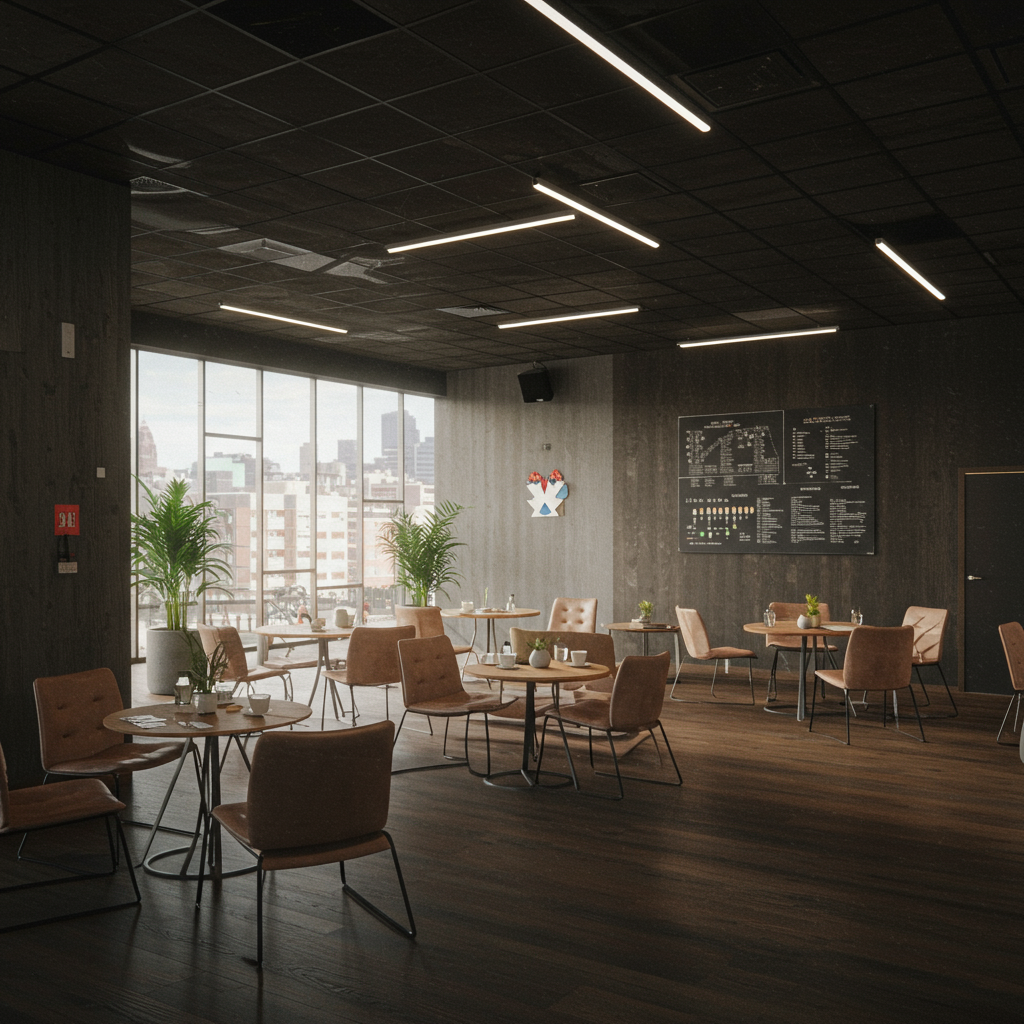
Vision, values and proposal
Focus on results and measurement
Our vision is to position Canadian university venues as premier destinations for events that prioritize learning, innovation, and value. We operate on the principle that an event’s environment should enhance its content and purpose. The core values guiding this approach are academic integrity, operational excellence, and sustainable partnership. By applying the Pareto principle (80/20 rule), we focus on the 20% of factors that drive 80% of an event’s success: seamless technology, attendee comfort, logistical efficiency, and budget adherence. Technically, this means adhering to standards like IACC (International Association of Conference Centres) Green Star certification where applicable, ensuring accessibility compliance with the Accessible Canada Act, and guaranteeing network infrastructure capable of supporting high-density Wi-Fi usage (IEEE 802.11ax standard).- Value proposition: To provide a data-driven framework that demystifies the process of booking university venues, enabling organizers to achieve an average of 20% cost savings and a 15% increase in attendee engagement scores compared to traditional venues.
- Quality criteria: All venue recommendations are evaluated against a 50-point checklist covering technology, accessibility, sustainability, service responsiveness, and contract flexibility. A venue must score above 85% to be considered top-tier.
- Decision matrix: We use a weighted scoring matrix where event priorities (e.g., budget, technology, prestige) are ranked by the organizer, and potential university venues are scored against these priorities to generate a clear, objective recommendation.
- Sustainability: Prioritizing universities with clear sustainability policies, from waste reduction programs (aiming for >70% diversion from landfill) to sourcing local food for catering, reducing the event’s carbon footprint.
Services, profiles and performance
Portfolio and professional profiles
Canadian universities offer a diverse portfolio of spaces far beyond the traditional classroom. This portfolio is a key element in any university venues Canada comparison. Services typically fall under the purview of a dedicated Conference Services or Event Management department, staffed by professionals experienced in academic and corporate event logistics. These teams act as a single point of contact, coordinating everything from A/V technicians and catering staff to security and accommodation services. The available venues range from tiered lecture halls equipped with broadcast-quality cameras for hybrid events, to elegant banquet rooms in historic university buildings, modern science atriums for receptions, and even specialized facilities like sound stages or athletic arenas.Operational process
- Initial Inquiry & Needs Assessment: The client submits an inquiry with event dates, expected attendance, and basic requirements. The university’s event team responds within 24-48 hours to schedule a detailed needs assessment call. KPI: Inquiry-to-consultation time < 48 hours.
- Venue Matching & Proposal: Based on the assessment, the team proposes 2-3 suitable venue options on campus, providing a detailed proposal with transparent, itemized pricing. KPI: Proposal delivery within 5 business days.
- Site Visit & Technical Review: A guided tour (virtual or in-person) is arranged. The A/V and IT teams join to discuss specific technical requirements, ensuring compatibility and capability. KPI: Technical questions resolved with a 95% first-contact resolution rate.
- Contracting & Deposit: A formal contract is issued outlining services, costs, cancellation policies, and liability. A deposit (typically 25-50%) is required to secure the booking. KPI: Contract negotiation period < 10 business days.
- Event Planning & Logistics: A dedicated event coordinator is assigned to manage all logistical details, including catering menus, room layouts, signage, and supplier coordination. KPI: Final event plan confirmed 30 days prior to the event date.
- Execution & On-site Support: On the day of the event, the coordinator and technical staff are present to ensure smooth execution and troubleshoot any issues in real-time. KPI: On-site issue response time < 5 minutes.
- Post-Event Billing & Feedback: A final invoice is issued within 7-10 business days. A feedback survey is sent to the organizer to measure satisfaction and gather data for improvement. KPI: Final invoice accuracy > 99%; NPS target of +50.
Charts and Examples
| Event Objective | Key Indicators | Recommended Actions | Expected Outcome |
|---|---|---|---|
| Technology Product Launch (150 people) | Lead generation, media coverage, quality of the demonstration. | Select a modern auditorium with 4K streaming capability, high-density Wi-Fi 6, and adjacent reception space. | 30% increase in qualified leads; uninterrupted streaming with latency < 2 seconds; NPS > 60. |
| International Medical Conference (500 people) | Knowledge sharing, networking, regulatory compliance. | Book multiple meeting rooms, a plenary hall, and a poster space. Ensure technical support for complex presentations. | Session rating > 4.5/5; >1000 networking connections facilitated through the event app; 100% compliance with industry guidelines. |
| Corporate training retreat (50 people) | Skills development, team cohesion, profitability. | Utilization of interactive classrooms (smart classrooms) and accommodation in university residences during the summer. | 25% improvement in post-training skills assessment scores; 40% cost savings on accommodation and meals compared to hotels; Team cohesion score > 8/10. |

Representation, campaigns and/or production
Professional development and management
Managing an event on a university campus requires expert coordination that goes beyond simply booking a space. The university’s conference services team acts as your representative and on-site producer, navigating internal policies and coordinating the various university departments that may be involved, from campus security and parking services to the IT department and facilities operations. This team is responsible for obtaining necessary permits, such as liquor licenses for receptions (through the provincial framework, such as AGCO in Ontario) or permits for exterior signage. Managing the execution schedule is critical, especially in a busy academic environment. A detailed production plan is created that outlines every logistical touchpoint, from vendor arrival and setup to dismantling and cleanup, ensuring minimal disruption to academic activities.- Critical Documentation Checklist:
- Signed Venue License Agreement.
- General Liability Insurance Certificate (typically, coverage of 2 to 5 million Canadian dollars is required).
- Security and Emergency Plan approved by Campus Security.
- List of all external vendors for approval and access coordination.
- Detailed floor plans showing seating arrangements, audiovisual equipment locations, and catering stations.
- Contingency Plans:
- Identification of backup meeting rooms in case of setup issues main.
- Protocols for technical failures, with on-call technicians and backup equipment (projectors, microphones).
- Weather plans for outdoor events, with a confirmed alternative indoor location.
- Emergency communication procedures for contacting attendees.

Content and/or media that convert
Messaging, Formats, and Conversions
The venue itself can be a powerful marketing tool. The prestige of a renowned university can boost registrations and attract high-profile speakers. Marketing messages should highlight the unique benefits of the academic setting: “Connect with industry leaders at the heart of innovation.” Content formats are enhanced by the venue’s infrastructure. For example, the capabilities of a state-of-the-art lab can be used for live product demonstrations, creating a far more impactful experience than a simple PowerPoint presentation. A/B testing can be applied to event messaging, comparing the emphasis on “prestigious setting” versus “state-of-the-art facilities” to see which generates a higher registration conversion rate. To enhance event content, many universities offer lecture recording and live streaming services, turning a one-day event into a lasting digital asset that can generate leads months later. A detailed analysis of these capabilities is a crucial part of any university venues Canada comparison.- Content Strategy Phase (Pre-event): The event planner and the university’s audiovisual team meet to define the objectives. Tasks: Identify key sessions for streaming/recording. Design co-branded presentation templates (event/university). Responsible: Event Manager, Audiovisual Coordinator.
- Asset Production (Pre-event): Create short promotional videos filmed on campus for use on social media. Tasks: Scriptwriting, filming, editing. Responsible: Marketing team, university media team (if available).
- Technical Execution (During the event): Deploy cameras, audio equipment, and encoders for live streaming. Monitor stream quality and online engagement. Tasks: A/V setup, real-time monitoring. Responsible: On-site A/V technicians.
- Post-production and distribution (Post-event): Edit session recordings, adding graphics and removing dead air. Upload videos to a designated platform (event portal, YouTube). Tasks: Editing, encoding, uploading. Responsible: Video editor, digital marketing manager.
- Analysis and optimization (Post-event): Analyze viewing metrics (view count, watch time, engagement) to measure content ROI. Use the data to plan next year’s content strategy. Tasks: Data collection, report writing. Responsible: Data Analyst.
-

Leveraging a university’s integrated media capabilities transforms a physical event into a scalable content asset, expanding its reach by over 300% and providing actionable engagement data.
Training and Employability
Demand-Driven Catalogue
Universities are, by nature, places of learning, making them ideal venues for corporate training events, professional certifications, and leadership development programs. The environment itself fosters a learning mindset among participants. Furthermore, hosting an event on campus can serve as a powerful recruitment and employer branding tool, connecting companies directly with a pool of top-tier talent. Companies can collaborate with academic departments to have professors or senior researchers deliver specialized sessions, adding a depth of knowledge that is difficult to replicate elsewhere.- Suggested Training Module 1: Innovation Leadership Retreat. Utilizes the university’s business school facilities, with guest lecturers delivering talks on disruptive strategy. Includes a visit to the university’s business incubator to interact with startups.
- Suggested Training Module 2: Accelerated Coding Bootcamp. Held in the engineering faculty’s computer labs, providing participants with access to high-performance software and hardware. It includes a recruitment fair at the end of the week featuring top computer science students.
- Suggested Training Module 3: Healthcare Crisis Management Simulation. Utilizes the medical school’s simulation center, which offers realistic scenarios with high-fidelity mannequins and actors, to train healthcare executives.
- Suggested Training Module 4: Sustainability Practices Workshop. Held at a university with a strong environmental science program, using the campus as a “living laboratory” to study energy efficiency, waste management, and green architecture.
Methodology
The evaluation of the success of the training events is based on clear rubrics. Learning objectives are established before the event. After each module, short quizzes and practical exercises are used to assess understanding. A summative assessment is conducted at the end of the program to measure overall skills improvement, with the goal of achieving an average improvement of 25% in pre- and post-test scores. For employability, success is measured by the number of students who register on the company’s job portal (target: >100 registrations) and the number of on-site interviews (target: >20 interviews). Many university conference services offices can facilitate connections with career services departments to create a job board or networking events as part of the event package.Operational Processes and Quality Standards
From Application to Execution
A standardized and transparent operational process is crucial when working with large and often bureaucratic institutions such as universities. The following outlines an ideal end-to-end process designed to ensure clarity, efficiency, and quality. Diagnosis (Week 1): The client submits an RFP or inquiry form. The university event coordinator conducts a discovery call to fully understand the event’s objectives, budget, audience demographics, and technical requirements. The deliverable is a detailed event brief. The acceptance criterion is the client’s written confirmation that the brief accurately captures their needs. Proposal (Weeks 1-2): The coordinator develops a customized proposal that includes venue options, itemized pricing, suggested catering services, and a list of audiovisual and IT services. The deliverable is the proposal document. The acceptance criterion is that the proposal fits within the client’s budget with a variation of no more than 10% and addresses all the requirements of the brief. Contracting (Weeks 2-3): After proposal acceptance, a formal contract is drafted and sent. This phase involves negotiating terms such as cancellation policies and payment schedules. The deliverable is a contract signed by both parties and the payment of a deposit. The acceptance criterion is a legally binding contract. Pre-production (Week 4 to 4 weeks before the event): A dedicated event manager is assigned. Regular planning meetings are held. All logistical details are finalized: menus, floor plans, A/V schedules, signage plans, etc. The deliverable is an Event Specification Document (ESD) or an Event Resumption Summary (ERO). The acceptance criterion is the client’s final approval of the ESD.- Execution (Event Days): The event manager is on-site as the primary point of contact. A daily briefing is held with the A/V, catering, and operations staff. Issues are managed in real time. The deliverable is a successfully executed event. The acceptance criterion is adherence to the ESD with minimal deviation and high client satisfaction at the time.
- Closure (1-2 weeks post-event): A post-event briefing is held to discuss successes and challenges. A client satisfaction survey is sent out. The final invoice is issued and settled. The deliverable is a final invoice, a feedback report, and project closure. The acceptance criteria are full payment of the invoice and an NPS score above 50.Quality Control Quality control is integrated into every phase of the process. Roles and responsibilities are clearly defined, and escalation protocols are in place to address issues promptly. Acceptance indicators (Service Level Agreements – SLAs) ensure a high level of performance.Roles: Sales Coordinator (initial phase), Event Manager (planning and execution), Lead A/V Technician (all technical aspects), Banquet Captain (food and beverage service). Escalation: Operational issues are escalated first to the Event Manager. If issues are not resolved within 30 minutes, they are escalated to the Conference Services Director.
- Acceptance Indicators and SLA:
- Email Response Time: < 8 business hours.
- Wi-Fi Network Availability: 99.9% uptime during event hours.
- Room Setup Accuracy: 100% in accordance with the final floor plan.
- Meal Service Punctuality: All coffee breaks and meals are served within 5 minutes of the scheduled time.
| Phase | Deliverables | Indicators of control | Risks and Mitigation |
|---|---|---|---|
| Diagnosis | Approved Event Summary | Clarity and completeness of the summary; response time to the query < 24h. | Risk: Unclear requirements leading to an incorrect proposal. Mitigation: Use a standardized intake checklist during the discovery call. |
| Pre-production | Event Specification Document (ESD) finalized and signed | ESD approval 30 days before the event; All vendor selections confirmed. | Risk: Last-minute changes causing logistical chaos. Mitigation: Implement a deadline for changes (e.g., 14 days before the event) with possible charges for late changes. |
| Execution | Live event; real-time issue reporting | Event-day NPS > 45; technical issue resolution time < 15 minutes. | Risk: Audiovisual equipment failure. Mitigation: Have critical backup equipment (projector, laptop, microphones) in or nearby; Dedicated on-site A/V technician. |
| Closure | Accurate final invoice; customer feedback report | 99.5% invoice accuracy; 70% survey response rate. | Risk: Billing disputes that damage the customer relationship. Mitigation: Review all charges with the customer before issuing the final invoice; Provide supporting documentation for all variable expenses. |
Application Cases and Scenarios
Case 1: Software Engineering Association (ASEA) Annual Conference
Scope: A 4-day event for 800 international delegates, requiring a plenary session, 6 simultaneous meeting rooms, space for 150 posters, and a gala dinner. The client, ASEA, prioritized technological capacity, networking opportunities, and a controlled budget. The event was held at the University of Waterloo. Execution: The Conference Services team at Waterloo booked the Humanities Theatre for the plenary sessions, utilizing its 4K projector and integrated sound system. The classrooms in the Mathematics and Computing building were used for the workshops, ensuring that each room had robust internet connectivity and projection capabilities. The atrium of the Quantum-Nano Centre building, with its striking modern architecture, was used for the poster sessions and networking receptions, creating a memorable backdrop. The gala dinner was held at the University Club, which offers high-end catering. Accommodation was provided in campus residences, significantly reducing costs for attendees, especially graduate students. KPIs and Results:- Cost per Delegate: CAD$450, a 28% savings compared to a downtown convention center quote.
- Attendee Satisfaction (NPS): +58. The delegates praised the seamless integration of technology and the “intellectually stimulating” environment.
- Technology reliability: 99.8% uptime of audiovisual equipment and Wi-Fi across all sessions. Solo se informó de un incidente menor con un micrófono que se resolvió en 4 minutos.
- Plazo: The event was planned within 9 months, remaining within the project schedule.
- Return on Investment (ROI) for ASEA: The lower cost of the place allowed the association to offer lower registration fees, which resulted in a 15% increase in attendance compared to the previous year, thus increasing general revenue.
Case 2: National sales withdrawal and training of “PharmaCorp”
Alcance: A 3-day event for 120 sales executives of a national pharmaceutical company. The objectives were the training on a new product, the promotion of team spirit and the celebration of the best results. The client needed a confidential and professional environment with excellent leisure facilities. The event was held at the University of British Columbia (UBC). EXECUTION: The Robert H. Lee Interactive Learning Center was used for training sessions, taking advantage of its flexible meeting rooms and small group spaces. Confidentiality was guaranteed by private signage and restricted access to the event floors. Team building activities were held at UBC’s sports facilities, including a volleyball tournament at the UBC Beach Volleyball Center and a climbing session at the campus climbing center. The attendees stayed in the suites of the West Coast Suites residence, offering similar amenities to a hotel with stunning views of the ocean. The award dinner was held at the Campus Anthropology Museum, which provided a unique and culturally rich environment. KPI and results:- Employee participation score: 20% increase in post-event surveys compared to pre-retirement surveys.
- Adherence to the budget: The final cost was 1.5% lower than the budget, due to savings in catering and on-campus accommodation.
- Knowledge retention: Post-training evaluations showed a 40% average increase in product knowledge among the sales team.
- Organizer Satisfaction (NPS): +75. The client was “extremely impressed” by the comprehensive management and diversity of the facilities available.
Case 3: Fundraising gala for the non-profit “Youth Art Foundation”
Alcance: An evening for 250 guests with the aim of raising funds for art programs for disadvantaged young people. The non-profit organization had a very tight budget and needed a place that offered prestige and elegance without the cost of a luxury hotel or an art gallery. McGill University in Montreal was chosen. EXECUTION: The event was held at the McGill Faculty Club, a historic building with wood paneling, stained glass windows and an atmosphere of sophistication. College status helped attract high-profile donors. The university’s events team worked with the foundation to create a profitable but elegant menu and gave up rental rates for some audiovisual equipment as a contribution in kind. Students from the University music program offered live entertainment at a fraction of the cost of professional musicians. A silent auction was organized in the club’s library. KPI and results:- Cost-income ratio of fundraising: The total cost of the event was only 18% of the funds raised, surpassing the foundation’s goal of staying below 25%.
- Donor Satisfaction: Post-event surveys showed a 95% satisfaction rate, and many donors commented on the “unique charm and elegance” of the place.
- ROI: The foundation raised $150,000 CAD, 25% above its target, largely due to lower overheads and attractive donors.
- Cost savings: A saving of 40% is estimated compared to holding the event in a comparable commercial location in downtown Montreal.
Step-by-step guides and templates
Guide 1: How to Negotiate a Headquarters Contract with a Canadian University
- Step 1: Request a detailed breakdown. Do not accept a price per package without seeing what it includes. Ask for a broken down quote for the rental of the room, A/V, staff, catering, security and any other fees. This will allow you to identify the trading areas.
- Step 2: Understand the seasonality. College prices are very seasonal. Rates are higher during the academic year (September-April). Negotiate significantly lower rates for events during the summer months (May-August) when the spaces are empty. Ask for “valley dates” or periods between semesters.
- Step 3: Take advantage of your status. If you are a non-profit organization, an educational association or a former student, ask for discounted rates. Many universities have staggered price structures and offer discounts of up to 25% for these groups.
- Step 4: Negotiate the cancellation clause. College contracts can be rigid. Try to negotiate a sliding scale for cancellation, instead of a total loss of the deposit. For example, 25% penalty if canceled more than 180 days in advance, 50% with 90-180 days, and 100% less than 90 days.
- Step 5: Clarify A/V and IT costs. This is an area in which costs can skyrocket. Clarify if the rental of the room includes a basic A/V package (projector, screen, microphone). Negotiate a daily fee for a technician instead of an hourly rate, and ask if you are allowed to bring your own A/V equipment or staff (though often not for reasons of responsibility).
- Step 6: Examine Food and Drink Minimums (F&B). If a minimum of F&B is required, negotiate one that is realistic for your group. Ask if expenses on alcoholic and non-alcoholic beverages count for the minimum. See if they can include coffee breaks or snacks at no additional cost if your expense is high.
- Step 7: Ask for in-kind contributions. Especially for non-profit organizations, ask if the university can give up certain fees (for example, renting the room) in exchange for sponsorship or recognition.
- [ ] Confirmed access dates and times (including installation and disassembly)
- [ ] All costs are broken down and correct
- [ ] Revised and acceptable force majeure and cancellation clause
- [ ] Clear insurance requirements and proof
- [ ] Policies on external suppliers (if any) detailed
- [ ] Clear payment schedule
Guide 2: Technology and A/V checklist for academic places
- Conectividad a Internet:
-
- [ ] Is there free Wi-Fi for attendees? What is the login process? (captive portal, password?)
- [ ] Is there a dedicated wired network for speakers/production? What is the up/down speed? (Objective: >100 symmetric Mbps).
- [ ] Can the Wi-Fi network support the number of intended concurrent devices? (Ask for the density of access points).
-
- Presentation team:
- [ ] What is the resolution and brightness (lumens) of the projector or the LED display? (Objective: >5000 lumens for large rooms).
- [ ] What input connections are available? (HDMI, USB-C, etc.). Are adapters provided?
- [ ] Is there a trusted monitor for the rapporteur on stage?
- [ ] Is there a clicker/remote control for slides?
- Audio:
- [ ] What kind of microphones are available? (Flap, hand, podium, question and answer). How many wireless channels are available?
- [ ] Is there a sound reinforcement system in the room? Has coverage been tested?
- [ ] Is there an audio input for video playback from a laptop?
- Support for hybrid events and transmission:
- [ ] Do they have integrated PTZ (pan-tilt-zoom) cameras? What is your quality (HD, 4K)?
- [ ] Do you offer coding and transmission services? To which platforms (zoom, teams, custom platform)?
- [ ] How are the questions and answers of the virtual audience managed?
- [ ] Is there a dedicated transmission technician?
- Staff and support:
- [ ] Will an A/V technician be assigned to your event throughout the day?
- [ ] What is the procedure for requesting immediate technical assistance?
- [ ] Is there a mandatory technical check with the speakers before their sessions?
Guide 3: Catering Planning and Campus Accommodation
- Step 1: Involve the campus catering service in advance. Most universities have an exclusive catering provider or an internal department. Involve them at least 3-4 months in advance for large events. External providers are often prohibited or face additional fees.
- Step 2: Plan the menus based on the flow of your event. Opt for boxed or buffet-style work lunches to keep the schedules set. Plan longer coffee breaks (30 minutes) to encourage networking. For gala dinners, request a menu tasting to ensure quality.
- Step 3: Address dietary needs proactively. Collect dietary requirements (vegetarian, vegan, gluten-free, allergies) during the enrollment process. Provide a final listing to the catering service at least 14 days in advance. Make sure that all the buffet plates are clearly labeled.
- Step 4: Explore the summer accommodation blocks. From May to August, university residences are usually available and offer a very profitable accommodation option. Ask for the different styles of rooms (traditional, suite type).
- Step 5: Confirm the accommodation services. Clarify what is included: Bedding, towels, Wi-Fi, breakfast, maid service? Understand the registration and exit process.
- Step 6: Organize a reservation portal. Ask the university to create a personalized online booking portal for your delegates, so that they can book and pay for their rooms directly, which will take away administrative work.
Internal and external resources (no links)
Recursos internos
- College Headquarters Event Budget Template
- Campus site visit checklist
- Event Resume Summary Model (ERO)
- Post-Event Feedback Survey Template
Reference external resources
- Rules of the International Association of Conference Centers (IACC)
- Canada Accessibility Law Guidelines for Event Planning
- Guide to Sustainable Events of the Event Industry Council
- Fire Safety Regulations of the Provincial Building Code
- Provincial Regulation on the Responsible Service of Alcoholic Beverages (e.g., Smart Serve Ontario)
Preguntas frecuentes
Are college headquarters really cheaper than hotels or convention centers?
Usually yes. Cost savings can be significant, often between 15% and 40%. This is because universities are non-profit institutions and their main objective is not hospitality. The greatest savings are in the rental of rooms and accommodation on campus. However, the costs of A/V and catering can be comparable to those of commercial places, so a detailed budget is essential.What is the biggest drawback of using a university headquarters?
Availability and bureaucracy are the biggest challenges. The priority of the university is its academic mission, so the main dates during the semester may be impossible to reserve. The hiring and planning processes can also be slower and more rigid than those of a customer-centered hotel. Flexibility is usually limited.Can I use my own providers as an external catering service?
Usually not. Most universities have exclusive contracts with their internal catering services or with a single external provider. The use of an unapproved supplier is usually prohibited for reasons of food safety and liability. Similarly, A/V and IT staff is usually exclusive to the university staff.What kind of events are best suited for college venues?
Events focused on education, research, technology and innovation are best suited, since the academic environment complements the content. Academic conferences, corporate training events, technology industry meetings, and partnership meetings are ideal. They are also great for budget events that can take advantage of summer accommodation.How is accessibility and parking on university campuses?
It varies a lot. Newer buildings usually have excellent accessibility according to modern standards. Older historic buildings can be more difficult. Parking is almost always a challenge and an additional cost. It is often concentrated in large car parks or garages on the outskirts of the campus, requiring attendees to walk. It is crucial to clearly communicate parking and public transportation options to attendees.Conclusion and call to action
The choice of a university headquarters in Canada presents a unique value proposition that balances academic prestige, technological infrastructure and cost efficiency. Throughout this analysis, we have seen that while there are challenges such as contractual rigidity and limited availability, the benefits are substantial. A cost savings of 20-30%, access to state-of-the-art audiovisual equipment with a reliability greater than 99.5% and an increase in attendees’ satisfaction (NPS > +50) are attainable results. The environment itself can elevate the content of an event, fostering an atmosphere of learning and innovation. the success of a university venues canada comparison It lies in asking the right questions, understanding the operational structures of the institution and planning in advance. By taking advantage of the guides and case studies presented here, event organizers are well equipped to navigate the panorama of academic venues and unlock the immense potential they offer. The next step is to use these tools to start your own specific evaluation, request detailed proposals, and visit places to find the perfect campus that aligns with the objectives and budget of your event.Glosario
- AV-IT Support
- audiovisual and information technology technical support; The university team responsible for all the presentation, sound and internet equipment.
- Ancillary Services
- auxiliary services; Additional services beyond the basic rental of the room, such as catering, parking, security and accommodation.
- Memorandum of Understanding (MOU)
- Memorandum of Understanding; A preliminary agreement, often less formal than a contract, that describes the general terms of an event reservation.
- Tiered Lecture Hall
- stepped conference room; An auditorium or theater with sloping seats, designed for optimal visibility and acoustics, typical of university environments.
- Booking Lead Time
- reservation period; The time period between the initial query and the actual date of the event. For college headquarters, it is usually longer, from 9 to 18 months.
- Event Specification Document (ESD)
- Event Specification Document (also known as Resume Event Summary or ERO); A complete document that details all the logistic requirements of an event, from schedules and menus to A/V configuration and floor plans.
Internal links
- Click here👉 https://ca.esinev.education/diplomates/
- Click here👉 https://ca.esinev.education/masters/
External links
- Princeton University: https://www.princeton.edu
- Massachusetts Institute of Technology (MIT): https://www.mit.edu
- Harvard University: https://www.harvard.edu
- Stanford University: https://www.stanford.edu
- University of Pennsylvania: https://www.upenn.edu