
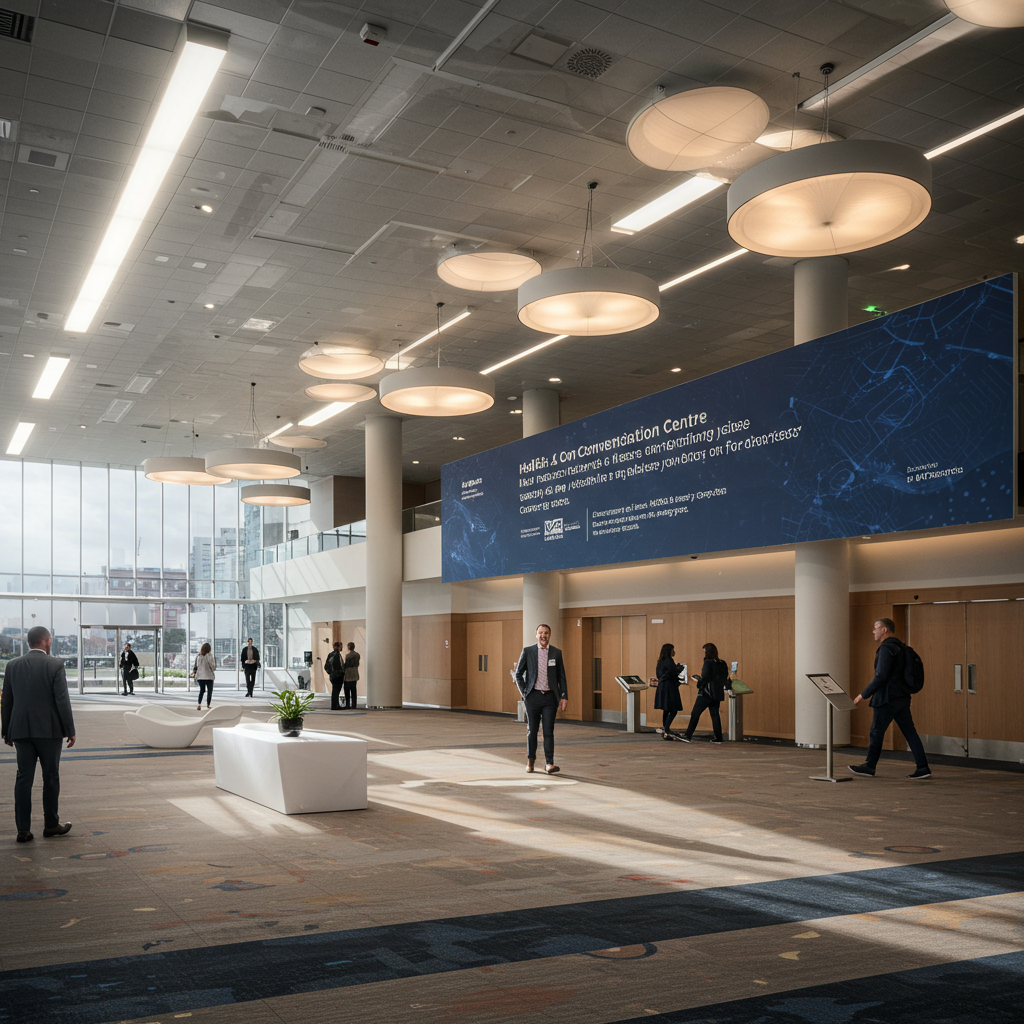
The Halifax Convention Centre Maritime Ecosystem: Partners and Suppliers for Global Impact
This article explores in depth the network of partners and supply chain that make up the Halifax Convention Centre’s maritime ecosystem. We analyze how this synergy between the center, local suppliers, and Nova Scotia’s maritime industry creates unique value for event organizers, delegates, and the community. We detail the services, operational processes, and quality standards that ensure the success of conferences, trade shows, and conventions.
Through case studies, practical guides and key performance metrics (KPIs), such as a Net Promoter Score (NPS) above 50 and a waste diversion rate of 85%, we demonstrate the economic and social impact of the model. The target audience includes event planners, industry associations, maritime sector companies, and suppliers interested in joining this network of excellence.
Introduction
The Halifax Convention Centre is not simply a state-of-the-art event infrastructure; it is the heart of a dynamic and collaborative economic ecosystem. Located at the epicenter of commercial and cultural life in Nova Scotia’s capital, its true power lies in orchestrating a network of local partners and suppliers. This article focuses specifically on the halifax convention centre maritime ecosystem, a symbiotic network that leverages the region’s rich heritage and innovative maritime industry to deliver unparalleled event experiences. We will analyze how this strategic integration between the center, its catering, technology, logistics, and creative service providers, and leading maritime institutions generates added value that extends beyond the building’s walls, boosting the local economy and consolidating Halifax’s reputation as a global destination for the ocean industry.
Our methodology is based on a functional analysis of the ecosystem’s value chain. We will break down the supplier selection and approval processes, the collaboration mechanisms for event customization, and the quality and sustainability standards that govern operations. To measure the success of this model, we will use a set of quantitative and qualitative Key Performance Indicators (KPIs), including the local economic impact per event (measured in CAD), the Net Promoter Score (NPS), the percentage of spending on local and sustainable suppliers, and the customer retention rate. The goal is to offer a comprehensive and verifiable vision of how a convention center can act as a catalyst for a sector ecosystem, generating shared prosperity.
Vision, values, and proposition
Focus on results and measurement
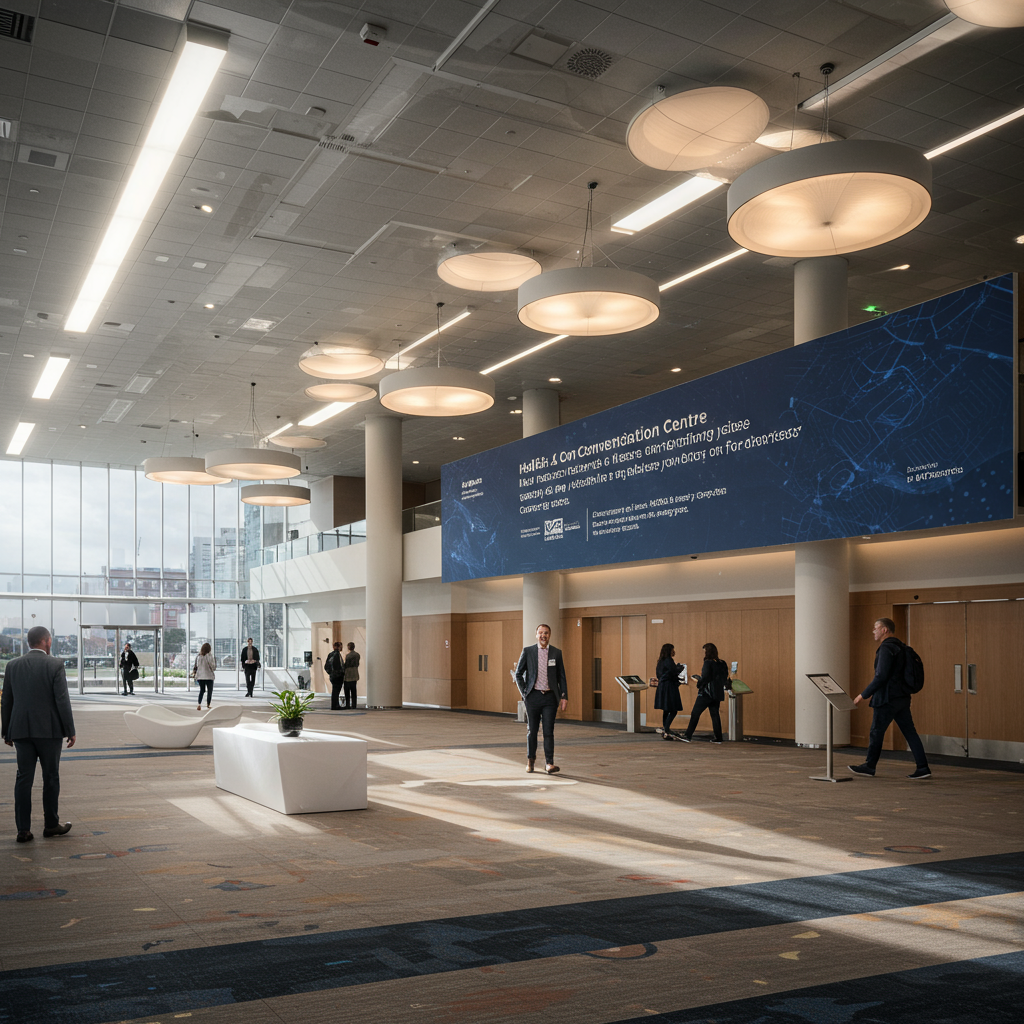
The vision of the Halifax Convention Centre goes beyond simply being a host of events. It aspires to be an engine of economic development and a global showcase for Nova Scotia’s excellence, particularly in its maritime sector. The values underpinning this vision are collaboration, sustainability, innovation, and a deep commitment to the local community. Following the Pareto principle (80/20), the center focuses 80% of its ecosystem development efforts on strengthening partnerships that generate the greatest economic and reputational impact, such as collaborations with the COVE (Centre for Ocean Ventures & Entrepreneurship) ocean cluster, Dalhousie University, and local food and beverage producers. Technically, all operations and partner selection are governed by international standards such as ISO 20121 certification (Sustainability Management Systems for Events), guaranteeing responsible and measurable practices.
Unique Value Proposition: To offer an authentic “Atlantic immersion,” where every aspect of the event, from the menu to the technological content, is infused with innovation and local maritime culture.
Partner Quality Criteria: Suppliers are evaluated not only on their capacity and price, but also on their alignment with sustainability values (use of local products, waste management), their commitment to the community, and their ability to innovate and customize services.
Event Decision Matrix: Priority is given to events that align with the province’s strategic economic sectors (ocean technologies, life sciences, ICTs), thereby maximizing the legacy and long-term impact of each congress or trade fair.
- Measuring Success: Performance is not measured solely in revenue, but rather through a triple bottom line: economic prosperity (impact on local GDP), social quality (satisfaction of the community and delegates), and environmental responsibility (carbon footprint per attendee).
Services, Profiles, and Performance
Portfolio and Professional Profiles
The portfolio of services offered through the halifax convention centre maritime ecosystem is extensive and designed to meet every need of a world-class event. This includes core services such as high-end catering with local seafood, state-of-the-art audiovisual and technological solutions, and comprehensive logistics. But the real differentiator lies in the specialized services that leverage the partner network: organizing technical visits to oceanographic research centers, expert speakers from the local maritime industry, developing networking experiences on historic sailing ships, and creating interactive booths with marine simulation technology. The key professional profiles in this ecosystem are the “Ecosystem Connector” (responsible for identifying and facilitating strategic alliances), the “Experience Curator” (who designs themed activities), and the “Event Sustainability Manager” (who ensures compliance with environmental standards).
Operational Process
- Discovery Phase (Weeks 1-2): Initial meeting with the client to understand their objectives. The Ecosystem Connector presents a map of potential partners. KPI: ≥ 5 relevant partners identified.
- Customized Proposal (Week 3): Development of a comprehensive proposal that includes center services and contributions from external partners. KPI: Proposal delivery time < 5 business days.
- Partner Selection and Contracting (Weeks 4-6): The client, with guidance from the center, selects the suppliers. Service level agreements (SLAs) are signed. KPI: 100% of key suppliers contracted 6 months before the event.
- Planning and Execution (6 months to 1 week before): Regular coordination meetings between the client, the center, and the partners. Technical and logistical testing. KPI: Schedule deviation < 5%.
- Event Execution (Days of the event): Real-time monitoring of service performance. Proactive incident management. KPI: Incident response time < 15 minutes.
- Post-event and Analysis (1-4 weeks later): Feedback collection, satisfaction surveys, and KPI analysis. Economic and environmental impact report. KPI: NPS > 50; Waste diversion rate > 85%.
Tables and examples
60% of the outsourced services budget is spent locallyImprove the delegate experienceDelegate satisfaction score (scale 1-10)Integrate authentic local experiences (menus, entertainment, tours)Average score > 8.5/10Minimize the environmental footprintLandfill waste diversion rateImplement a 3-stream program (recycling, composting, waste disposal) Ban single-use plastics85% waste diversionStrengthening the supplier ecosystemNumber of new local suppliers approved annuallyOutreach and training program for local SMEs on how to become a supplier+10 new qualified local suppliers per year
| Objective | Indicators | Actions | Expected outcome |
|---|---|---|---|
| Increase local economic impact | Percentage of event spending with Nova Scotia vendors | Prioritize local vendors in RFP; Organize supplier fairs for clients |

Representation, Campaigns and/or Production
Professional Development and Management
The Halifax Convention Centre acts as an ambassador and representative for the supplier ecosystem. It does not simply provide a contact list; it actively manages the relationship to ensure exceptional quality and consistency. The logistics of coordinating multiple suppliers are centralized through a single point of contact at the center, dramatically simplifying the process for the event organizer. This includes managing municipal permits for satellite events, coordinating setup and teardown schedules to avoid bottlenecks, and monitoring compliance with health and safety regulations. A Master Production Schedule is created that integrates the timelines of all partners, from catering to security and entertainment, allowing for a holistic view and proactive management of all departments.
Supplier Documentation Checklist: Verification of liability insurance (minimum CAD 2 million), current business licenses, food safety certifications (for catering), and professional accreditations of technical staff.
Inventory and Stock Management: For key products such as local seafood or specific audiovisual equipment, agreements are established with primary and secondary suppliers to guarantee availability and have contingency plans in place for unexpected demand or supply chain disruptions.
General Contingency Plan: Protocols are developed for scenarios such as power outages (backed up by on-site generators), medical emergencies (with first responders and equipment), and flight cancellations of key speakers (with technology). for remote participation) or adverse weather conditions.
- Coordination of People and Material Flows: Detailed logistics plans that define access routes for trucks, loading dock and service elevator usage schedules, and circulation flows for attendees to optimize the experience and safety.

Content and/or media that convert
Messages, Formats, and Conversions
To attract event organizers, especially those in the maritime sector, content and messaging must be strategic and resonate with their specific needs. The main hook is the promise of an event that is not only held in Halifax, but *is* from Halifax. The key message focuses on how the Halifax Convention Centre Maritime Ecosystem can enrich the event content, facilitate networking with local industry leaders, and offer delegates an unforgettable experience. Calls to action (CTAs) are clear and direct: “Request a customized proposal,” “Download our maritime experiences catalog,” or “Schedule a virtual tour.” A/B testing is conducted on digital marketing campaigns to optimize messaging, testing different headlines (e.g., “Your Ocean Congress in the Heart of the Atlantic” vs. “Connect with Blue Innovation in Halifax”). Key conversion metrics include email open rate (target: 25%), click-through rate (target: 3%), and, most importantly, the number of qualified requests for proposals (RFPs) generated per campaign.
Ideation and Strategy: The marketing team, in collaboration with the Ecosystem Connector, identifies key themes and success stories to develop. Responsible: Marketing Director.
Content Creation: Blog articles, PDF case studies, testimonial videos, and social media content showcasing partners in action are produced. Responsible: Content Specialist.
Distribution and Promotion: Content is distributed through industry-specific channels (events and maritime industry publications), LinkedIn, and targeted email marketing campaigns. Responsible: Digital Marketing Specialist.
- Lead Capture and Nurturing: CTAs direct to landing pages with forms. Captured leads enter an automated nurturing flow with additional relevant content. Responsible: Sales Team.
- Measurement and Optimization: Content performance (views, downloads, leads generated) is analyzed monthly, and the strategy is adjusted accordingly. Responsible: Marketing Analyst.

Training and employability
Demand-driven catalog
To maintain excellence and ecosystem cohesion, the Halifax Convention Centre provides training programs for its partners and staff. These programs are designed to meet the demands of the events market and reinforce the center’s values. The goal is to create a highly skilled and aligned workforce, from audiovisual technicians to executive chefs, improving employability in the region and ensuring consistent service quality.
- Module 1: HCC Service and Customer Experience Standards: Mandatory training for all supplier staff who interact with customers, focusing on problem-solving, communication, and anticipating needs.
- Module 2: Sustainability in Events (Level 1 Certification): Training on best practices in waste management, energy and water conservation, and responsible sourcing, in line with ISO 20121.
- Module 3: Halifax Ambassadors and Maritime Culture: A course on the history, culture, and innovations of Nova Scotia’s maritime sector, enabling staff to share authentic stories and recommendations with delegates.
- Module 4: Security and Crowd Management: Advanced training for security and operations personnel on emergency protocols, evacuation, and managing large crowds.
- Module 5: Technical Competence for Hybrid Events: Refresher courses for audiovisual technicians on the latest platforms and equipment for producing virtual and hybrid events.
Methodology
The training methodology is primarily practical and competency-based. Assessment is conducted using rubrics that measure the application of skills in simulated scenarios. Internships at real events are organized for top-performing participants, and the center maintains an active job board that connects its partners with certified talent through these programs. The expected results are a measurable improvement in customer satisfaction surveys related to staff service (target: +10% in score), a reduction in security incidents, and greater operational efficiency. In the long term, these programs contribute to the professionalization of the events sector in the region.
Operational Processes and Quality Standards
From Request to Execution
A standardized and transparent operational process is the backbone that sustains the quality and efficiency of the ecosystem. Every event, regardless of size, follows a defined pipeline that ensures all stakeholders are aligned and critical milestones are met.
- Initial Diagnosis (RFP and Qualification): The request for proposal (RFP) is received. The sales team qualifies the opportunity based on its strategic alignment and feasibility. Deliverable: Lead Qualification Summary. Acceptance Criteria: The event aligns with at least two of the province’s strategic sectors.Proposal Development: The assigned Event Manager works with the Ecosystem Connector to create a detailed proposal, including quotes from key partners. Deliverable: Technical and Financial Proposal. Acceptance Criteria: Proposal submitted within the agreed timeframe, meeting all RFP requirements.
Pre-Production and Planning: After the contract is signed, detailed planning begins. The master schedule is created, floor plans are defined, and all suppliers are confirmed. Deliverable: Event Master Book. Acceptance Criteria: Final client approval of all logistical elements 30 days prior to the event.
Execution and Monitoring: During the event, the Event Manager acts as the central command and control point, overseeing the execution of all services. Daily coordination meetings are held. Deliverable: Live event. Acceptance Criteria: Compliance with defined SLAs (e.g., food temperature, Wi-Fi network uptime).
Closure and Evaluation: Final invoicing is completed, equipment is collected, and a post-mortem meeting is held with the client and key partners. Deliverable: Final Event Report and Satisfaction Survey. Acceptance Criteria: Submission of the report within 15 business days post-event.
Quality Control
Quality control is an ongoing process, not a one-time event. It is based on clear roles, escalation protocols, and objective metrics to ensure that the promised high standards are met.
- Key Roles: The Event Manager is ultimately responsible for client-facing quality. The Operations Supervisor oversees the quality of internal services (cleaning, security). Supplier Account Managers are responsible for the quality of their respective teams.
- Escalation Protocol: Any incident is logged and managed at the lowest possible level. If it is not resolved within 30 minutes, it is escalated to the Event Manager. Major issues that impact the safety or viability of the event are escalated to Management.
- Acceptance Indicators and SLAs: Each service has defined SLAs. For example, Wi-Fi for attendees must have >99.8% availability and a guaranteed minimum bandwidth. The catering service must keep food hot at >63°C.
- Audits and Reviews: Random audits of services are conducted during events (e.g., restroom cleanliness, staff friendliness). In addition, quarterly performance reviews are conducted with strategic suppliers.
| Phase | Deliverables | Control Indicators | Risks and Mitigation |
|---|---|---|---|
| Pre-production | Final plans, confirmed menus, production schedule | Client approval on all reviews; 100% of suppliers confirmed | Risk: Last-minute changes by the client. Mitigation: Clear policy on change deadlines and potential associated costs. |
| Setup | Stands and AV installed, signage in place | Safety inspection completed with 0 critical failures; AV testing passed | Risk: Delivery delays from a vendor. Mitigation: Staggered setup schedules with time buffers; backup vendor on standby. |
| Execution | Sessions on time, punctual catering, clean environment | Real-time NPS (quick surveys); <5 customer complaints per hour | Risk: AV equipment technical failure. Mitigation: On-site technician and backup team; failover plan in <5 minutes. |
| Dismantling | Clear and clean space, waste report | Compliance with the vacate deadline; recycling rate >80% | Risk: Damage to center property. Mitigation: Joint pre- and post-deployment inspection; Exhibitor security deposit. |
Case studies and application scenarios
Case 1: OceanTech 2023 International Conference on Ocean Technologies
Challenge: Organize a 3-day conference for 1,500 international delegates, including academics, industry leaders, and startups. The goal was not only to present research but also to foster collaboration and showcase Halifax’s leadership in the sector. The client required deep integration with the local industry and a minimal carbon footprint.
Solution: The Halifax Convention Centre team activated its maritime ecosystem. We collaborated with COVE to organize an “Innovation Afternoon” at their waterfront facilities, with ferry transportation for delegates. The catering, provided by our exclusive supplier, featured a “Taste of the Atlantic” menu made entirely from Nova Scotian produce, reducing food miles by 80%. Keynote speakers were secured from Dalhousie University and the Bedford Institute of Oceanography. A local virtual reality startup, a partner of the center, created an immersive experience that allowed delegates to “explore” the seabed of Halifax Harbour.
Results:
NPS: 62 (Outstanding).
Customer ROI: Over 500 B2B meetings were facilitated through the event app, resulting in 12 collaboration agreements signed during the conference.
Local Economic Impact: An estimated CAD 2.8 million direct impact on the Halifax economy.
Sustainability: 88% waste diversion rate and 100% carbon offsetting for the event.
Timeline: Full planning within 14 months.
Case 2: Global Product Launch for “Poseidon Shipping”
Challenge: A major global shipping company chose Halifax for the launch of its new fleet of eco-friendly cargo ships. They required a high-impact event for 200 executives and media representatives, combining security, exclusivity, and a powerful maritime narrative.
Solution: The main ballroom was transformed into an immersive environment simulating a ship’s bridge, using 360-degree projections and sound design. Security was coordinated with a local firm specializing in executive protection. For the gala dinner, the Maritime Museum of the Atlantic collaborated, and guests dined alongside the historic CSS Acadia. Entertainment included a renowned local Celtic music group. The gift for attendees was a piece of blown glass craftsmanship by an artist from the South Coast of Nova Scotia, evoking ocean waves.
Results:
Media ADR (Average Delegate Rate): Coverage in over 50 international industry publications, with an advertising value equivalent to CAD 1.5 million.
Customer Satisfaction: 9.8/10 in the post-event survey.
Logistics: Zero security incidents. The coordination between the center, the museum, and the transport company was rated as “flawless” by the client.
Case 3: Annual Fair of the Maritime Fishermen’s Association
Challenge: A smaller, more local event (500 attendees) with a tight budget and the need to maximize value for members. The objective was to combine a trade fair for fishing equipment suppliers with seminars on regulations and sustainability.
Solution: The center offered a flexible package that allowed the association to utilize a smaller but highly functional space. We worked with the AV provider to deliver a cost-effective “smart stage” solution that could be quickly reconfigured for different types of presentations. To reduce catering costs, a “food market” format with themed stations was chosen instead of a formal seated luncheon. This also allowed for the participation of small local producers as suppliers for the stations. El halifax convention centre maritime ecosystem demostró su escalabilidad, adaptándose a las necesidades de un cliente local con la misma dedicación que a un congreso internacional.
Resultados:
- Desviación Presupuestaria: El evento se completó un 2 % por debajo del presupuesto.
- Satisfacción de Expositores: El 85 % de los expositores reportaron haber generado leads de alta calidad.
- Asistencia a Seminarios: La asistencia promedio fue un 20 % más alta que en años anteriores, gracias a la mejora en la tecnología audiovisual y la comodidad del espacio.
Guías paso a paso y plantillas
Guía 1: Cómo unirse al ecosistema de proveedores del Halifax Convention Centre
- Paso 1: Autoevaluación. Antes de aplicar, revise los valores y requisitos del HCC. ¿Su empresa comparte el compromiso con la sostenibilidad, la calidad y la comunidad local? ¿Puede ofrecer un producto o servicio único y fiable?
- Paso 2: Expresión de Interés. Visite el portal de proveedores del HCC y complete el formulario de Expresión de Interés (EOI). Deberá proporcionar información básica de su empresa, descripción de servicios y ejemplos de trabajos anteriores.
- Paso 3: Proceso de Calificación. Si su EOI es preseleccionada, el equipo de Compras le invitará a un proceso de Calificación Previa (PQQ). Deberá presentar documentación detallada: seguros, licencias, estados financieros, políticas de sostenibilidad y referencias de clientes.
- Paso 4: Entrevista y Evaluación. Los candidatos que superen la PQQ serán invitados a una entrevista (virtual o presencial) para discutir su propuesta de valor, capacidad operativa y alineación cultural. Se puede solicitar una demostración del producto o servicio.
- Paso 5: Homologación y Onboarding. Si es seleccionado, firmará un Acuerdo Marco de Proveedor. A continuación, participará en una sesión de onboarding donde se le formará en los procesos operativos, sistemas y estándares de calidad del HCC.
- Checklist Final:
- [ ] Formulario EOI completado.
- [ ] Documentación PQQ (seguros, licencias, etc.) preparada.
- [ ] Presentación de la empresa lista para la entrevista.
- [ ] Designado un punto de contacto principal en su empresa.
Guía 2: Checklist para organizadores para maximizar el sabor local marítimo
- Definir el Tema: ¿Quiere un enfoque histórico, de innovación tecnológica, de sostenibilidad o gastronómico? Comuníquelo claramente a su Gerente de Eventos.
- Menú: Trabaje con el chef ejecutivo para diseñar un menú que destaque los mariscos de temporada y los productos de granjas locales. Solicite una degustación.
- Ponentes y Contenido: Pida a su Conector de Ecosistema una lista de expertos locales relevantes para su industria. Considere un panel de discusión con líderes de la comunidad marítima.
- Experiencias Fuera del Centro: Programe actividades opcionales como una visita a Peggy’s Cove, un tour por el puerto, una visita a COVE o una degustación en una destilería local.
- Entretenimiento y Decoración: Incorpore música local (celta, folk marítimo), arte de artistas de Nueva Escocia y elementos decorativos que evoquen el mar (redes, madera flotante, colores azules y blancos).
- Regalos para Delegados: Seleccione productos de artesanos locales. Esto apoya a la economía y ofrece un recuerdo auténtico.
Guía 3: Organizar un evento de Basura Cero en el HCC
- Comunicación Previa: Informe a los asistentes, expositores y patrocinadores de su objetivo de Basura Cero. Proporcione directrices claras (p.ej., no folletos de papel, usar la app del evento).
- Prohibir Plásticos de un Solo Uso: Trabaje con el centro para asegurar que no se utilicen botellas de plástico, pajitas, o cubiertos de plástico. Opte por estaciones de agua y vajilla reutilizable.
- Gestión de Residuos: Asegúrese de que haya estaciones de tres flujos (compost, reciclaje, vertedero) claramente señalizadas en todo el recinto. Pida al HCC que personal de limpieza ayude a los delegados a clasificar correctamente.
- Expositores Sostenibles: Cree un “premio al stand más sostenible” para incentivar a los expositores a usar materiales reutilizables o reciclables y minimizar los regalos promocionales de bajo valor.
- Donación de Excedentes: Coordine con el centro y una organización benéfica local como Feed Nova Scotia para donar cualquier excedente de comida preparada que sea seguro para el consumo.
- Medición y Reporte: Solicite al HCC un informe de desvío de residuos post-evento. Comunique los resultados a sus stakeholders para demostrar el éxito de la iniciativa.
Recursos internos y externos (sin enlaces)
Recursos internos
- Catálogo de Proveedores Homologados del Halifax Convention Centre
- Plantilla de Planificación de Eventos del HCC
- Manual de Sostenibilidad para Eventos
- Guía de Opciones de Menú y Catering Local
- Estándares Técnicos para Equipamiento Audiovisual
Recursos externos de referencia
- Norma ISO 20121: Sistemas de gestión de la sostenibilidad de eventos
- Guías de Buenas Prácticas del Events Industry Council (EIC)
- Informes del Clúster Oceánico de Canadá (Canada’s Ocean Supercluster)
- Publicaciones de la Destination Canada Business Events
- Regulaciones de Seguridad Alimentaria de la Provincia de Nueva Escocia
Preguntas frecuentes
¿Puedo traer a mis propios proveedores si no están en su lista homologada?
Para servicios críticos como catering, seguridad y tecnología audiovisual, trabajamos exclusivamente con nuestros socios homologados para garantizar los más altos estándares de calidad, seguridad e integración con nuestras instalaciones. Para otros servicios como decoración, entretenimiento o fotografía, estamos abiertos a trabajar con sus proveedores preferidos, siempre que cumplan con nuestros requisitos mínimos de seguro y seguridad. El proceso de aprobación es gestionado por su Gerente de Eventos.
¿Cómo se garantiza que los proveedores “locales” son genuinamente de la región?
Nuestro proceso de calificación de proveedores incluye la verificación del domicilio social y la operación principal de la empresa. Priorizamos a las empresas que tienen su sede en Nueva Escocia y que demuestran un impacto significativo en la economía local, como la contratación de personal de la región y el uso de cadenas de suministro locales. Nuestro objetivo es que más del 60 % del gasto en proveedores para un evento típico se quede en la provincia.
¿Qué apoyo ofrecen para la organización de eventos híbridos?
Contamos con infraestructura de última generación, incluyendo conexiones de fibra óptica redundantes y equipamiento audiovisual de calidad de transmisión. Nuestro socio tecnológico exclusivo ofrece paquetes completos para eventos híbridos, que incluyen producción multicámara, plataformas de streaming personalizadas, gestión de ponentes remotos y herramientas de interacción para la audiencia virtual. Su Gerente de Eventos le ayudará a diseñar una experiencia fluida tanto para los asistentes presenciales como para los remotos.
¿Cuál es el coste aproximado de integrar experiencias locales o marítimas en mi evento?
El coste varía enormemente dependiendo de la escala y la naturaleza de la experiencia. Algunas opciones, como invitar a un ponente de una institución local, pueden tener un coste moderado. Otras, como organizar una cena de gala en una ubicación externa o una excursión en barco para todos los delegados, serán más significativas. Nuestro equipo está especializado en crear opciones personalizadas que se ajusten a diferentes niveles de presupuesto, maximizando siempre el impacto y la autenticidad.
¿Cómo mide el Halifax Convention Centre el éxito y el impacto de su ecosistema de socios?
Utilizamos un cuadro de mando integral que incluye métricas financieras, de cliente, operativas y de comunidad. Los KPIs clave son el impacto económico total generado en la provincia (calculado con un modelo econométrico), la puntuación NPS del cliente, la tasa de retención de clientes, el porcentaje de gasto en proveedores locales, la tasa de desvío de residuos y la satisfacción de los propios proveedores medida a través de encuestas anuales. Creemos en una gestión transparente y basada en datos.
Conclusión y llamada a la acción
El éxito del Halifax Convention Centre trasciende su arquitectura y tecnología; reside en su capacidad para cultivar y movilizar un ecosistema robusto y colaborativo. El halifax convention centre maritime ecosystem no es un mero eslogan de marketing, sino un modelo operativo tangible que ofrece un valor incalculable. Al integrar de manera fluida a los mejores proveedores locales con la vibrante industria marítima de la región, el centro transforma eventos estándar en experiencias inmersivas y auténticas. Los resultados, medidos en KPIs como un NPS superior a 50, un impacto económico de millones de dólares por evento y una tasa de sostenibilidad líder en la industria, demuestran la eficacia de este enfoque. Para los organizadores, esto se traduce en eventos más memorables, fluidos y con un mayor retorno de la inversión. Para Halifax, solidifica su posición como un destino de clase mundial y un centro neurálgico de la economía azul.
Si está planeando un evento y busca un destino que ofrezca no solo un lugar, sino una asociación estratégica y una experiencia profundamente conectada con su entorno, le invitamos a explorar las posibilidades. Póngase en contacto con nuestro equipo de desarrollo de negocio para descubrir cómo el ecosistema del Halifax Convention Centre puede elevar su próximo congreso, conferencia o reunión a un nuevo nivel de éxito e impacto.
Glosario
- Cadena de Suministro Local
- La red de productores, fabricantes y proveedores de servicios que operan dentro de una geografía específica, en este caso, Nueva Escocia. Priorizarla fortalece la economía regional.
- Economía Azul
- Concepto económico que se refiere al uso sostenible de los recursos oceánicos para el crecimiento económico, la mejora de los medios de vida y el empleo, y la salud del ecosistema oceánico.
- NPS (Net Promoter Score)
- Un índice que mide la disposición de los clientes a recomendar los productos o servicios de una empresa. Se utiliza como un indicador de la lealtad y satisfacción del cliente.
- SLA (Service Level Agreement)
- Acuerdo de Nivel de Servicio. Un contrato entre un proveedor de servicios y un cliente que define el nivel de servicio esperado. Incluye métricas específicas como tiempo de actividad, tiempo de respuesta y responsabilidades.
- RFP (Request for Proposal)
- Solicitud de Propuesta. Un documento que una organización publica para solicitar propuestas de posibles proveedores para un producto o servicio específico.
- ISO 20121
- Una norma internacional de gestión voluntaria para la sostenibilidad de eventos. Proporciona un marco para que las organizaciones de la industria de eventos gestionen sus impactos sociales, económicos y ambientales.
Internal links
- Click here👉 https://ca.esinev.education/diplomates/
- Click here👉 https://ca.esinev.education/masters/
External links
- Princeton University: https://www.princeton.edu
- Massachusetts Institute of Technology (MIT): https://www.mit.edu
- Harvard University: https://www.harvard.edu
- Stanford University: https://www.stanford.edu
- University of Pennsylvania: https://www.upenn.edu