
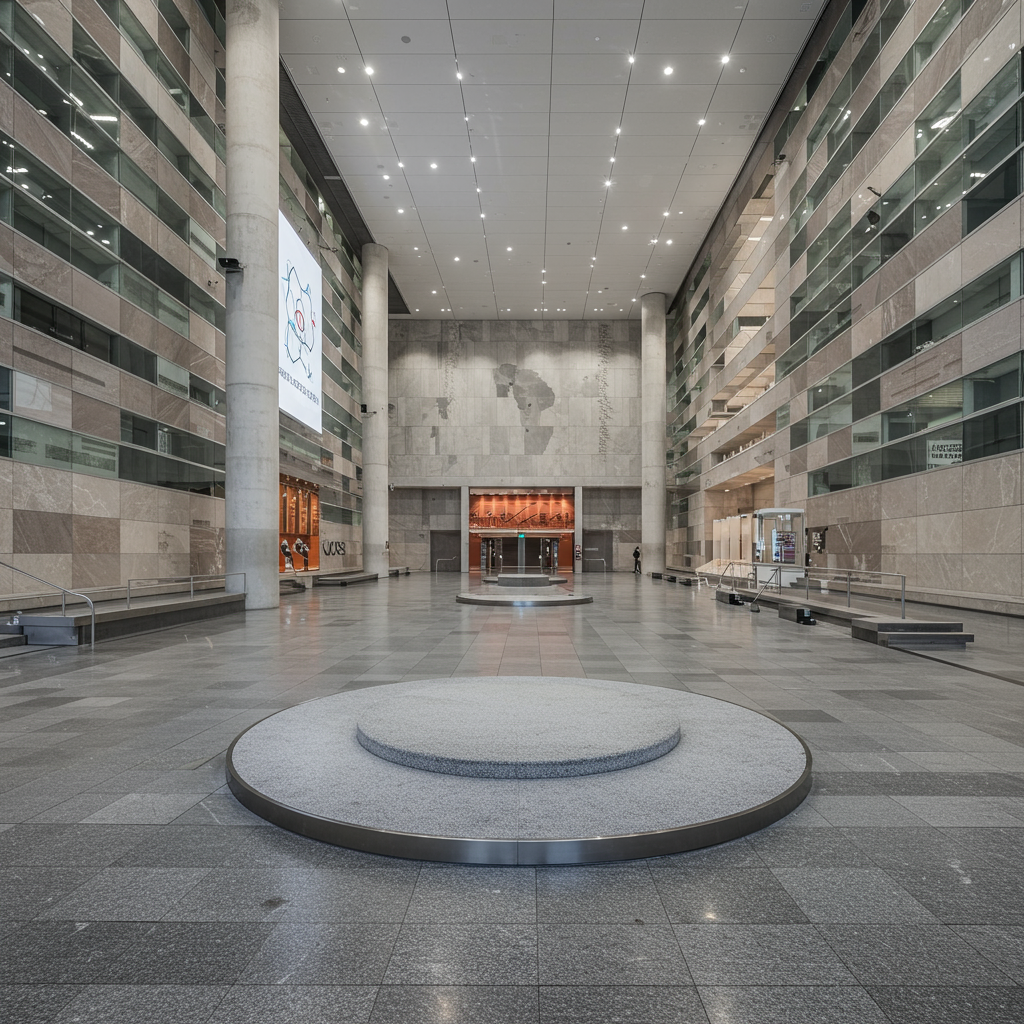
Comparative Analysis of Venues in Montreal: Palais des congrès vs. Olympic Park
This comprehensive guide offers a direct comparison between two of Canada’s most iconic event venues: the Palais des congrès and Montreal’s Olympic Park. Aimed at event organizers, marketing directors, and professional associations, this analysis delves into critical factors such as capacity, space flexibility, cost per square meter, accessibility, and brand potential. Through quantifiable metrics (KPIs) such as Return on Investment (ROI), Net Promoter Score (NPS) of the attendee and logistical efficiency, the suitability of each place for different types of events is evaluated, from international congresses and trade fairs to massive festivals and sporting events. The value proposition is to provide a data-driven decision-making tool to maximize the impact and profitability of any event held in Montreal.
Introduction
Montreal, as one of the leading event destinations in North America, offers world-class infrastructure to host everything from international summits to cultural festivals. Choosing the right venue is perhaps the most critical decision in the event planning lifecycle, directly impacting the budget, attendee experience, and overall success. At the heart of this decision in the Quebec metropolis are two giants: the centrally located and modern Palais des Congrès and the iconic and expansive Olympic Park de Montréal. Each presents a unique set of advantages and challenges that must be carefully weighed. This article provides an in-depth, data-driven analysis to help planners navigate this strategic choice, directly comparing the Palais des Congrès Olympic Park Montreal across all relevant dimensions. Our methodology is based on a multi-criteria benchmarking assessment. We will analyze both venues using a framework that includes capacity and modularity, costs and pricing structure, technical and logistical services, accessibility and transportation, brand impact, and attendee experience. We will quantify these variables with Key Performance Indicators (KPIs) such as cost per attendee, space versatility score (on a scale of 1 to 10), average setup and teardown time, and potential Return on Investment (ROI) for different types of events. The goal is to offer a practical and actionable guide that goes beyond technical specifications, enabling informed and strategic decision-making.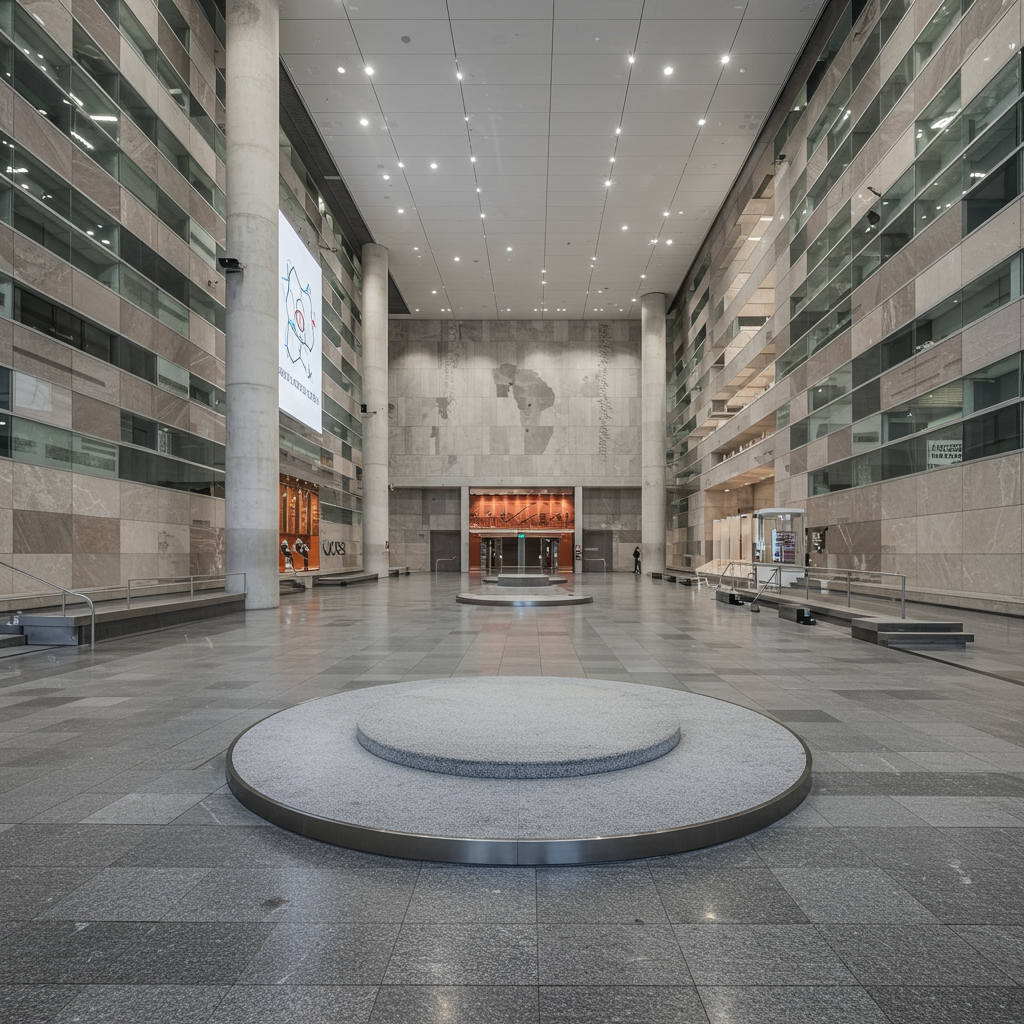
Vision, values, and proposal
Focus on results and measurement
Selecting a venue is not a simple rental transaction; It’s a strategic partnership. Our value proposition focuses on empowering organizers with data so their choices align with event objectives, applying the Pareto principle (80/20) to focus on the factors that generate the greatest impact. We prioritize analysis that meets rigorous technical standards, considering everything from soil load-bearing capacity (kg/m²) to IT infrastructure (bandwidth and redundancy), local safety regulations (CNESST), and sustainability standards (LEED or BOMA BEST certifications). This approach ensures that the final decision is not only creative, but also technically sound and financially viable.- ROI-Focused Value: We analyze each venue not only for its cost, but also for its potential to generate revenue, attract sponsors, and improve attendee satisfaction—factors that drive ROI.
- Objective Quality Criteria: We use a weighted decision matrix that evaluates more than 50 data points, including the quality of in-house audiovisual services, the flexibility of catering policies, and the efficiency of operations staff.
- Strategic Decision Matrix: For a 5,000-person congress, the Palais des Congrès might score 9.2/10 for centralized logistics, while the Olympic Park might stand out with a 9.5/10 for brand impact for a mass-market product launch.
- Sustainability as a pillar: We evaluate waste management practices, energy efficiency, and the use of local suppliers—factors that are increasingly important for corporate social responsibility and the event’s image.
Services, profiles, and performance
Portfolio and professional profiles
The choice between the Palais des congrès and the Olympic Park de Montréal depends primarily on the type of event and the services required. The Palais specializes in congresses, conferences, and trade shows, offering a turnkey service package managed by a highly experienced team of Certified Event Managers (CSMs). Their in-house professional profiles include certified audiovisual technicians, logistics experts, and security specialists. On the other hand, Olympic Park, with its cluster of spaces (Stadium, Tower, Sports Center, Esplanade), is ideal for large-scale events, festivals, sporting competitions, and brand activations that require a high visual impact and open-air spaces. Its team focuses more on managing large-scale venues, often requiring the organizer to bring in more specialized external production teams.Operational Process
-
- Phase 1: Consultation and Qualification (1-2 weeks): Definition of event requirements (pax, m², technical needs). KPI: Response rate to the initial request < 24 hours.
- Phase 2: Proposal and Technical Visit (2-3 weeks): Presentation of a detailed proposal outlining costs and availability. Coordination of an on-site visit. KPI: Accuracy of the initial budget with a deviation < 10%.
Tables and Examples
Car LaunchBrand Impact; Display Space; CapacityUtilize the Olympic Stadium for its iconic architecture and large open space.Media Coverage > 2 million impressions. Marketing ROI > 300%.Security score > 9/10.| Objective | Key Indicators | Actions (Recommended Venue) | Expected Result |
|---|---|---|---|
| International Congress (5,000 attendees) | Cost per attendee; Attendee flow; Parallel sessions | Book the Palais des Congrès for its modularity and integrated services. | Optimized cost of CAD 250-350 per attendee. Seamless transitions between rooms. NPS > 45. |
| Music Festival (20,000 pax) | Outdoor Capacity; Accessibility; Crowd Control | Lease the Olympic Park Esplanade for its vast area and easy access by subway. | Tickets sold at 95% capacity. |
| Corporate Gala (800 pax) | Exclusive ambiance; Catering quality; Premium AV services | Consider the VIP lounges at the Palais or the Montreal Tower Ballroom at Olympic Park. | Attendees’ satisfaction with catering > 95%. Premium brand experience. |

Representation, Campaigns, and/or Production
Professional Development and Management
Producing an event at either of these venues demands impeccable project management. At the Palais des Congrès, the model is more integrated. Its official audiovisual (Encore) and catering (Capital Catering) partners simplify coordination, although this may limit flexibility of choice. Licensing management (alcohol permits, fire safety) is centralized through its event manager. The execution schedule is rigorous, with strict setup and teardown windows to accommodate the high volume of consecutive events. At Olympic Park, especially in the Stadium or the Esplanade, the organizer assumes the role of general producer. This involves hiring and coordinating multiple vendors (AV, temporary structures, security, catering), managing more complex permits with the City of Montreal (for noise, street closures), and developing much more robust weather contingency plans for the outdoor spaces. Flexibility is greater, but the management burden and risk also increase significantly. Critical Documentation Checklist (Olympic Park): Security plan approved by the Montreal Police Service (SPVM). Evacuation and emergency medical plan. Permits from the Régie des alcools, des courses et des jeux (RACJ). Engineering certificates for all temporary structures. Liability insurance policies with a minimum coverage of CAD 5,000,000. Coordination Checklist (Palais des congrès): Final approval of the floor plan with the manager events.- Final catering order 14 days prior to the event.
- Rigging plan and electrical requirements submitted to Encore 30 days prior.
- Loading dock logistics plan and assigned schedules.
- Contingency Plan: Both venues have plans for power outages (backup generators), but for Olympic Park, the contingency plan for severe weather (rain, high winds) is critical and must include options for cancellation, rescheduling, or partial relocation, with an associated budget impact of up to 20% of the total cost.

Content and/or Media that Convert
Messages, Formats, and Conversions: The Venue as the Star
The venue is not just a container; it’s a powerful marketing tool. The message conveyed by choosing the Palais des Congrès is one of professionalism, business acumen, and seriousness. It’s ideal for B2B content, such as software launches, medical conferences, or financial summits. Calls to Action (CTAs) in event communications can focus on “high-level networking,” “access to cutting-edge knowledge,” and “convenience and efficiency.” On the other hand, choosing Olympic Park evokes grandeur, excitement, and history. It’s perfect for B2C content, such as music festivals, sporting events, or consumer product launches. CTAs focus on “an unforgettable experience,” “be part of history,” and “live the excitement.” For an event marketing campaign, A/B testing with images from both venues can reveal a difference in conversion rates of up to 15%, depending on the target audience. The visual narrative surrounding the iconic Montreal Tower can, on its own, increase social media engagement by 25-30%. The venue selection directly impacts the type of content that can be generated on-site. In a comparison of event promotion between the Palais des Congrès Olympic Park Montreal and the Olympic Park, the former facilitates the creation of professional content such as interviews in makeshift studios, high-quality live streams from its theaters, and product demos in a controlled environment. The Olympic Park, on the other hand, is a canvas for visually spectacular content: drone shots of the Esplanade packed with people, time-lapses of the sunset over the Stadium, or user-generated content with the iconic architecture in the background. The key conversion metric here is not just ticket sales, but the Brand Mention Rate and post-event Organic Reach. Phase 1: Content Strategy (Responsible: Marketing Director): Define the event narrative based on the choice of venue. Create a press kit with high-quality images and videos of the venue. Phase 2: Pre-event Production (Responsible: Content Manager): Launch a social media teaser campaign using the venue’s architecture. Publish blog posts about “5 things you didn’t know about our amazing venue.” Phase 3: Live Coverage (Responsible: Community Manager and AV Team): Live stream key sessions. Create Instagram Stories showing behind-the-scenes footage. Encourage the use of a specific event hashtag. Phase 4: Post-event Content (Responsible: Video Editor and Content Manager): Produce an after-movie video highlighting the most spectacular moments. Publish photo galleries. Collect testimonials from attendees with the venue in the background.
Training and employability
Demand-driven catalog
The complexity of managing events in venues of this magnitude creates a demand for highly qualified professionals. Both the Palais des Congrès and the Olympic Park are, in themselves, learning ecosystems for the events industry. Specific training modules could be developed in collaboration with institutions such as the ITHQ (Institut de tourisme et d’hôtellerie du Québec).- Module 1: Large-Scale Venue Management. Focus on comparing operating models: the integrated services model (Palais) vs. The property management model and multiple vendors (Olympic Park).
- Module 2: Congress Logistics and Operations. Case study on managing the flow of 10,000 delegates at the Palais des Congrès, from registration to side events and catering.
- Module 3: Outdoor Event and Festival Production. Focused on the challenges of the Olympic Park Esplanade: crowd management, security, temporary infrastructure, and weather contingency plans.
- Module 4: Venue Marketing and Commercialization. Analysis of the sales strategies and brand positioning of the Palais des Congrès Olympic Park Montreal.
- Module 5: Sustainability in Mass Events. Comparison of initiatives Sustainability of both venues, certifications, and waste management.
Methodology
The training methodology would be primarily practical. Assessment would be based on rubrics that measure the student’s ability to develop a complete production plan for a hypothetical event at one of the two venues. Professional internships would be a key component, with opportunities for placement in the operations, sales, or marketing departments of both venues. A job bank would be established in collaboration with the venues and their official suppliers, aiming for a post-training employability rate of over 85% within the first 6 months. The expected results are professionals capable of managing complex projects, mitigating risks, and maximizing ROI—skills directly demanded by Montreal’s events industry.Operational Processes and Quality Standards
From Request to Execution
A standardized operational process is fundamental to ensuring quality and efficiency. Below is a generic pipeline, highlighting the differences between the two venues.- Diagnostic Phase: The client submits a Request for Proposal (RFP). The sales team assesses the opportunity. Deliverable: Initial feasibility report. Acceptance criterion: Alignment of client needs with venue capabilities.
- Proposal Phase: A detailed proposal is prepared. At the Palais, this is an integrated proposal (space, AV, basic catering). At Olympic Park, the cost is usually just for the space, requiring the client to obtain additional quotes. Deliverable: Commercial and technical proposal. Acceptance criteria: Clarity of costs and included services.
- Pre-production Phase: Contract signing. An event manager is assigned. Weekly planning meetings are held. Deliverable: Detailed production plan, final floor plans, and setup schedule. Acceptance criteria: Approval of all plans by the client and venue security.
- Execution Phase: Setup, event execution, and dismantling. Deliverable: Event executed according to plan. Acceptance criteria: Adherence to the schedule with a deviation of less than 5%. Resolution of issues in less than 30 minutes.
- Closing Phase: Invoice reconciliation, satisfaction survey, and post-mortem meeting. Deliverable: Final invoice, results report, and KPIs. Acceptance criteria: Final invoice with a deviation of <2% from the last approved budget.
Quality Control
Quality control is implemented at each stage through defined roles and Service Level Agreements (SLAs).- Roles: The Account Manager is responsible for the business relationship. The Event Manager (CSM) is the single point of contact for planning and execution. The Technical Director oversees all aspects of production.
- Escalation: Any issues not resolved by the CSM within 30 minutes are escalated to the Event Manager. Critical security issues are immediately escalated to the Site Security Manager.Acceptance Indicators: Cleanliness of spaces (score > 4.5/5), Wi-Fi functionality (availability > 99.9%), food temperature (within food safety ranges), check-in wait time (< 5 minutes). SLAs: Response to customer emails within < 4 business hours. Delivery of updated floor plans within < 24 hours. Technical staff available throughout the event.
| Phase | Key Deliverables | Control Indicators | Risks and Mitigation |
|---|---|---|---|
| Pre-production | Final production plan, approved CAD drawings | Project milestone completion (95% on time). Zero errors in final drawings. | Risk: Last-minute client changes. Mitigation: “Freeze” policy for changes 7 days before the event. Clear change management process with associated costs. |
Application Cases and Scenarios
Case 1: International Artificial Intelligence Conference “AI Forward 2024” (Palais des congrès)
Scope: 3-day conference for 7,500 delegates (researchers, technology executives, startups). It included 5 keynote speeches, 120 parallel sessions, a trade exhibition with 150 booths, and an awards gala. Total Budget: CAD 4.5 million. Planning Timeframe: 18 months. Development and Decision: The organizing committee chose the Palais des Congrès for its central location, which facilitated access to hotels and minimized transportation costs for international delegates. The Palais’s capacity to accommodate a large plenary hall, multiple simultaneous meeting rooms, and ample exhibition space on adjoining floors was crucial. Attendees flow was a critical KPI, and the Palais’s architecture allowed for logical and efficient transitions, avoiding bottlenecks. Encore’s integrated technical team managed the complex audiovisual requirements, including live streaming of all sessions. Outcome KPIs:- Delegate NPS: +55 (target was +50).
- Venue Satisfaction: 9.1/10.
- Sponsorship and Exhibition Revenue: CAD 2.8 million (15% above target).
- Venue Budget Deviation: -1.5% (savings thanks to operational efficiency).
- Exhibitor ROI (estimated): 4:1.
Case 2: “MTL Pulse” Electronic Music and Digital Art Festival (Olympic Park)
Scope: A 2-day festival with a capacity of 25,000 attendees per day. It utilized the Esplanade for the main stage and lounge areas, and the interior of the Stadium for an immersive audiovisual experience. Total Budget: CAD 6 million. Planning Timeframe: 12 months. Development and Decision: The organizers were looking for an iconic venue that would offer a unique and memorable experience, differentiating it from other festivals. Olympic Park was selected for its visual impact and capacity to accommodate large crowds. The combination of outdoor and indoor spaces allowed for the creation of two distinct environments. Production was a significant logistical challenge: it required 3 weeks of setup for the main stage and art structures. An external production company was hired to coordinate more than 20 suppliers. The rain contingency plan included the capacity to quickly move 10,000 people inside the stadium. Outcome KPIs:- Ticket Sales: 98% of capacity.
- Social Media Engagement: 5.2 million impressions during the event weekend.
- Attendee Experience Score: 8.8/10.
- Cost per Attendee (Venue and Production): CAD 120.
- Security Incidents: 30% below average for events of this scale.
Case 3: Global Launch of Consumer Product “Innovate Home” (Decision Analysis)
Alcance: 1-day event for 1,200 people (media, influencers, distributors and employees). The goal was to create an immersive experience to launch a new line of smart appliances. The event required a main stage for the presentation, interactive demo zones, and an area for networking and catering. Budget of the enclosure and production: 750.000 CAD. Comparative analysis and decision:- Option A: Palais des Congrès. Pros: Ideal central location for the media. “Plug-and-play” environment with high-quality AV and catering, reducing the complexity of planning. Rooms with “black box” perfect for controlled demonstrations. Contras: Less architectural impact. It could be perceived as a standard corporate environment. KPIs estimados: Lower production cost, higher local media assistance, NPS than 8.5/10.
- Option B: Olympic Park (Montreal Tower Hall). Pros: Spectacular 360-degree views of the city, creating an unforgettable and highly “instagramable” backdrop. exclusivity and prestige. Contras: smaller and less flexible space. More complex access logistics (inclined elevator). need to bring almost all suppliers. KPIs estimados: Higher cost per assistant, greater reach in social networks (+40%), NPS of 9.2/10.
Step-by-step guides and templates
Guide 1: Enclosure Selection Checklist in Montreal
- Define objectives and KPIs of the event: Is it an event to generate leads (B2B) or to create brand awareness (B2C)? Define 3-5 main KPIs (eg number of qualified leads, media scope, NPS of the assistant).
- Capacity and flow analysis: Request the floor plans in CAD format. Model the flow of wizards for your projected numbers. Are there bottlenecks? Is the exhibition space suitable? (KPI: m² per assistant > 1.5 m² for comfort).
- Prepare a detailed comparative budget:
- Palais des congrès: Request an “All Inclusive” proposal. Analyze the costs of exclusive services (AV, Catering, Internet).
- Olympic Park: Quote the rent of the space and then get quotes from at least 3 suppliers for AV, catering, security and furniture. Add 15% contingency for production management.
- Make an exhaustive technical visit: Don’t just see the rooms. Check charging docks, electrical capacity, bathroom location, signage, Wi-Fi quality, and mobile coverage.
- Assess accessibility: Measure the walking time from the nearest metro station. Check the number of parking spaces and their cost. Evaluate accessibility for people with reduced mobility (ramps, elevators, adapted bathrooms).
- Analyze the contract and policies: Review cancellation clauses, insurance requirements, external supplier policies, and trademark or sign restrictions.
- Score in a decision matrix: Create a spreadsheet by weighting each criterion according to its importance for your event (eg location 40%, cost 30%, brand impact 20%, flexibility 10%). The enclosure with the highest score is your logical choice.
Guide 2: Logistics plan for a 5,000+ people congress at the Palais des Congrès
- Phase 1 (6 months before): Space plan. Finalize the allocation of rooms for plenary sessions, parallel sessions, workshops, offices and press room. Obtain approval of the exposure plan by the fire service.
- Phase 2 (4 months before): Providers and services. Sign contracts with Encore for AV and Capital Catering. Send them the detailed requirements (technical rider for each room, menus, special dietary needs). Hire the high-density Wi-Fi service.
- Phase 3 (2 months before): Materials logistics. Hire the official carrier (eg GES). Create a shipping calendar for all exhibitors and for your own material. Plan the loading dock schedule with the Palais event manager.
- Phase 4 (1 month before): Personnel and registration. Hire and train temporary staff for registration, access control and guidance. Configure and test the registration system and print credentials on site.
- Phase 5 (Event Week): Execution. Hold a daily coordination meeting with all key personnel (Palais, AV, Catering, Security). Monitor the flow of attendees and adjust the signage as needed. Have a “floating” AV technician to quickly solve problems.
Guide 3: Maximize the impact on the Esplanade of the Olympic Park
- Creative space design: Don’t think of an empty space. Use temporary structures, designer tents, modified maritime containers, and large-scale art to create themed “zones”. This improves the experience and flow of the crowd.
- Take advantage of the architecture: Use the stadium and the tower as a canvas. Plan videomapping projections on the stadium structure at night. Design photographic opportunities (photo opportunities) that frame the iconic architecture.
- Robust audio planning: Outdoor sound is a challenge. Work with a specialized festival sound engineer to design a delay tower system that ensures uniform coverage and minimizes noise pollution in neighboring neighborhoods.
- Contingencia Climática Activa: It’s not just a plan B. Have high quality tents ready to be deployed. Clearly inform attendees of the policy in case of rain (eg “The event continues with rain or sun”). Have staff dedicated to drying surfaces and managing mud.
- Integration with the environment: Collaborate with nearby Olympic Park attractions (Biodôme, Planetarium) to offer packages of combined tickets, enriching the value proposition for attendees.
Internal and external resources (no links)
Recursos internos
- Decision Matrix Template for Enclosure Selection
- Checklist of technical visit to venues
- Comparative budget model (Palais vs. Olympic Park)
- Recommended Supplier Guide for Events in Montreal
- Standard production plan for events of more than 1,000 attendees
Reference external resources
- Rules of the Montréal Sécurité Service (SIM) for public events
- Regulations of the Régie des Alcools, Des Courses et des Jeux (RACJ) of Québec
- Professional Convention Management Association (PCMA) Good Practice Guidelines
- Sustainability standards for ISO 20121 events
- Tourisme Montréal industry reports on the MICE sector (Meetings, Incentives, Conferences and Exhibitions)
Preguntas frecuentes
What is the main difference in costs between both venues?
Generally, the base space rental at Olympic Park may be less per square meter. However, the total cost of the event is usually higher due to the need to hire external suppliers for almost all services (AV, furniture, security, etc.) and the greater logistics complexity. The Palais des Congrès offers a more integrated price model that, although it may seem more expensive initially, often results in a more predictable and controlled final cost, with less unforeseen expenses.Which enclosure is best for attendee accessibility?
For attendees staying in downtown Montreal, the Palais des Congrès is second to none. It is directly connected to the Metro (Place-d’Armes Station) and the underground city (Reso), as well as being within walking distance of thousands of hotel rooms. The Olympic Park also has its own subway station (PIE-IX), which makes it very accessible by public transport, but it is further away from most hotels, which may require additional transportation (charter buses) for delegates.Can I use my own catering provider at the Palais des Congrès?
No. Palais des Congrès has an exclusivity contract with Capital Catering for all food and beverage services. While this limits the choice, it ensures a consistent quality standard and greatly simplifies coordination. The Olympic Park offers more flexibility, allowing organizers to choose between a list of accredited catering or, in some cases, bringing their own provider, subject to approval.How does the climate affect the choice, especially for events at Olympic Park?
Weather is a critical factor for any event that uses the outdoor spaces of Olympic Park, such as Esplanade. Spring-to-fall events should have a detailed and budgeted contingency plan for rain, wind, or extreme heat. This may include tents, fans, water stations, or even a rain reprogramming date. For winter events, the interior spaces of the Olympic Park are the only viable option. The Palais des Congrès, being a completely internal and heated enclosure, almost completely eliminates the climate risk of the equation.Which venue offers better branding and sponsorship opportunities?
Both offer excellent opportunities, but of different types. Palais des Congrès is a highly professional blank canvas, ideal for corporate branding through digital signage, design stands and sponsorship of rooms or networking events. The Olympic Park offers a higher impact and scale branding. The possibility of projecting a logo in the stadium, branding the tower or creating a massive activation in the Esplanade can generate an unmatched visual and media impact, which makes it ideal for consumer brands that seek great visibility.Conclusion and call to action
The choice between the Palais des Congrès and the Olympic Park in Montréal is not a question of which is “better”, but of which is the “suitable” for the specific objectives of an event. The Palais des Congrès stands as the preferred option for conferences, fairs and corporate meetings that prioritize logistics efficiency, centrality and a controlled business environment, offering a measurable ROI through the ease of planning and the quality of its integrated services. On the other hand, the Olympic Park is the choice for events seeking a monumental brand impact, a unique assistant experience and the ability to host large-scale crowds, especially in festival or sports formats. Its iconic architecture is a marketing tool itself, capable of generating engagement and media coverage that justify its greater operational complexity. A detailed analysis of Palais des Congres Olympic Park Montreal It reveals that the final decision must be driven by the most important KPIs for the organizer: if success is measured in qualified leads and smooth transitions between sessions, the Palais is the safe option; If measured in impressions on social networks and creating an indelible memory, Olympic Park is the perfect setting. To make the best decision, we recommend making the proposed selection checklist and requesting detailed proposals from both venues, using this guide as a reference to ask the correct questions.Glosario
- CSM (Client Services Manager)
- Event Manager or Customer Service Manager. It is the single point of contact assigned by the venue to assist in all the planning and execution of the event.
- KPI (Key Performance Indicator)
- key performance indicator. A quantifiable metric used to assess success in meeting objectives.
- NPS (Net Promoter Score)
- Metric that measures customer loyalty and satisfaction (or assistant) by asking the likelihood of recommending a product, service, or event.
- RFP (Request for Proposal)
- proposal request. Document that an organization publishes to request proposals from suppliers for the acquisition of a good or service.
- Rider Técnico
- Document detailing all the technical requirements (sound, lighting, video, scenery) of a presentation, presentation or performance.
- Rigging
- Technical term for the process of hanging equipment (lights, speakers, screens) of the roof structure of an enclosure.