
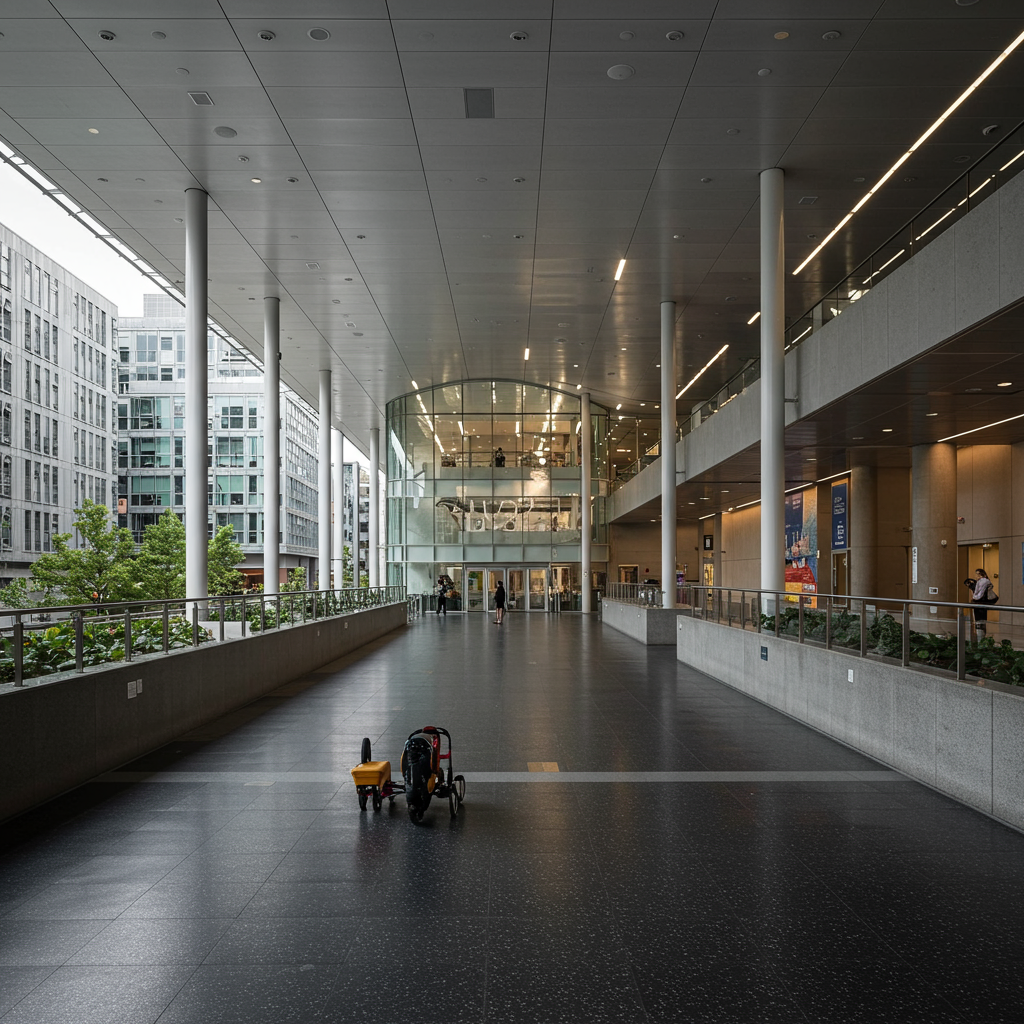
Vancouver Convention Centre vs BC Place: The Ultimate Guide to Choosing the Ideal Venue for Your Event
Choosing the right venue is one of the most critical decisions in event planning, with a direct impact on the budget, attendee experience, and return on investment (ROI). In Vancouver, two giants dominate the scene: the Vancouver Convention Centre (VCC) and BC Place. This in-depth analysis of the vancouver convention centre vs bc place is designed for event organizers, marketing directors, and operations managers. Through a comparative methodology based on more than 30 key performance indicators (KPIs), we will break down the capabilities, services, operating costs and value propositions of each venue. The goal is to provide a clear and quantifiable decision-making tool that allows you to select the space that not only hosts your event but also enhances your strategic objectives, whether it’s an international conference, a massive trade fair, a concert, or a top-tier sporting event.
Introduction
Vancouver, recognized worldwide for its stunning natural environment and vibrant economy, has established itself as a premier destination for events of all kinds. At the heart of this reputation are two iconic venues that, although geographically close, offer radically different propositions. The strategic decision of Vancouver Convention Centre vs. BC Place is a common dilemma for planners seeking the perfect balance between capacity, ambiance, functionality, and budget. On the one hand, the Vancouver Convention Centre, with its award-winning sustainable design and prime waterfront location, is synonymous with corporate prestige and flexibility for high-level conferences and exhibitions. On the other hand, BC Place, the imposing stadium with its retractable roof, is the epicenter of large-scale entertainment, from international sporting events to superstar concerts. This article goes beyond a simple comparison of square footage. We will apply a rigorous methodological approach, analyzing each venue through an operational and strategic lens. We will evaluate quantifiable metrics such as cost per attendee, logistical efficiency (measured in setup/teardown hours), technological capacity (bandwidth and access points), the sustainability index, and customer satisfaction (Net Promoter Score, NPS). The result is a comprehensive guide that will allow you to justify your choice with concrete data, minimizing risks and maximizing the impact of your event.
Vision, Values, and Proposal
Focus on Results and Measurement
The choice between the VCC and BC Place is, in essence, a decision about aligning brand and objectives. The Vancouver Convention Centre positions itself as a global leader in sustainability and prestige events. Its mission focuses on being a generator of economic activity for the province, attracting international conferences that leave a legacy of knowledge and innovation. Its values are anchored in operational excellence, sustainability (it is the world’s first convention center with dual LEED Platinum certification), and the creation of impeccable customer experiences. Its value proposition is to offer a premium, technologically advanced, and highly flexible environment, ideal for events where corporate image, quality networking, and attention to detail are paramount. On the other hand, BC Place operates under a vision of being the epicenter of entertainment, sports, and community in British Columbia. Its value proposition lies in its massive capacity and unique infrastructure, designed to host high-impact events that attract tens of thousands of people. Its values center on security, the fan experience, and the versatility to transform from a soccer field to a concert venue or a gigantic exhibition hall. The choice, therefore, depends on whether the main objective is qualitative interaction (VCC) or quantitative reach (BC Place).- Quick Decision Matrix:
- Corporate Event / Conference / Congress: VCC (90% of cases) due to its multiple meeting rooms, professional atmosphere, and integrated services.
- Trade Show (B2B): VCC (80%) due to its divisible exhibition space and exhibitor infrastructure.
- Trade Show (Massive B2C / Consumer): BC Place (70%) if the expected attendance exceeds 25,000 people and the focus is on volume.
- Concert / Music Festival: BC Place (95%) due to its capacity, stadium acoustics, and large-scale production capabilities.
- Professional Sporting Event: BC Place (100%) is the venue designed for this.
- Gala / Luxury Banquet: VCC (99%) for its ballrooms with spectacular views and its haute cuisine catering.
Services, Profiles, and Performance
Portfolio and Professional Profiles
Both venues offer a full suite of services, but their specialization and scale differ dramatically. VCC has an in-house team of Event Managers specializing in conferences and exhibitions, audiovisual technicians from Encore Global (exclusive supplier), and a renowned culinary team. Key professional profiles include experts in conference logistics, complex menu planning, and managing attendee flow across multiple simultaneous sessions. BC Place, for its part, relies on a stadium operations team, crowd safety experts, large-scale production logistics (stage assembly, artificial turf) and food and beverage concession management through Sodexo Live!. The professional profile here is that of a director of operations for large venues, focused on safety and crowd efficiency.Operational Process
- Phase 1: Inquiry and Booking (KPI: Response time < 24h). Initial contact, definition of requirements, preliminary proposal, and date blocking.
- Phase 2: Detailed Planning (KPI: Project plan finalized 90 days before the event). Assignment of an event manager, planning of spaces, AV, F&B, and logistics.
- Phase 3: Pre-Production (KPI: Pre-conference meeting completed 14 days prior). Final coordination with all suppliers, review of BEOs and floor plans.
- Phase 4: Event Execution (KPI: On-site satisfaction score > 9/10). Real-time management, incident resolution, and staff supervision.
- Phase 5: Post-Event (KPI: Final billing with deviation < 2% from budget). Dismantling, results report, satisfaction survey (NPS), and invoicing.
Tables and Examples
~40,000 m² (field and concourse levels)Rental cost per m² (VCC: $20-$40/m²/day; BC Place: Flat rate per event)Maximum Capacity~16,000 (reception); multiple rooms from 10 to 5,00054,500 (seating); Up to 60,000 (with field)Square meters per attendee ratioMeeting RoomsMore than 70 flexible roomsLess than 10 rooms (suites and lounges)Space configuration flexibilityCateringExclusive, in-house, haute cuisine. Led by an executive chef.Exclusive (Sodexo Live!), focused on concessions and catering for large-scale events.Average cost per person (VCC: $150-$300/day; BC Place: $50-$120/day)AV TechnologyExclusive provider (Encore), state-of-the-art infrastructure for conferences.In-house equipment for stadium operations (scoreboard, sound); external production is required for concerts.Available Wi-Fi bandwidth (VCC: scalable up to 10 Gbps)SustainabilityDouble LEED Platinum certification, 2.4% green roof hectares.LEED Gold certification, waste management and energy efficiency programs.Percentage of waste diverted from landfill (VCC: >80%)Loading Access12 loading docks with direct access to the exhibition halls.Field-level access tunnels for heavy-duty trucks.Average unloading time per vehicle (Logistics efficiency)| Feature | Vancouver Convention Centre (VCC) | BC Place | Key Performance Indicator (KPI) |
|---|---|---|---|
| Total Space | 43,340 m² (combining West and East Buildings) |

Representation, Campaigns and/or Production
Professional Development and Management
Producing an event at either of these venues demands impeccable logistical management. At VCC, the process is highly standardized. The assigned event manager becomes the single point of contact, coordinating internal services (catering, AV, IT) and approved external suppliers. Permits are usually centralized, but organizers are responsible for event-specific licenses (e.g., liquor license for special receptions). Planning is based on detailed CAD diagrams and Banquet Event Orders (BEOs) that are finalized weeks in advance. At BC Place, scale magnifies complexity. Production management often involves coordinating with multiple promoters, sports leagues, and unions (such as IATSE for technical staff). The execution schedule is much tighter; for example, converting the stadium from a football match to a concert can require a 24-hour operation with hundreds of workers. The logistics of loading and unloading through the tunnels must be scheduled down to the minute to avoid bottlenecks. Critical Logistics Checklist (BC Place): Artificial Turf Protection Plan (if applicable). Schedule coordination with IATSE and other unions. Engineering certification for all suspended structures (rigging). City-approved crowd management and evacuation plan. Production vehicle access logistics (TV trucks, tours). Critical Logistics Checklist (VCC): Final floor plans approved by the fire department. Menus and catering guarantees confirmed 14 days in advance. Width requirements Defined internet bandwidth and wired network. Digital and static signage plan. Coordination with the exclusive AV provider (Encore).
Content and/or media that convert
Messages, formats, and conversions
The way an event’s content is presented and amplified depends heavily on the venue. The VCC is designed for detailed communication and interaction. Its conference rooms are acoustically treated for the spoken word, and its network infrastructure allows for high-quality live streaming from multiple simultaneous sessions. Branding opportunities are sophisticated: large-format video screens, custom murals, and projections. The conversion goal here is typically lead generation or fostering networking. A/B testing digital signage to direct traffic to specific booths can increase exhibitor engagement by 25%. BC Place, on the other hand, is a canvas for high-impact messaging and immersive experiences. The Northern Lights Display (the exterior LED lighting on the ceiling) offers an unparalleled branding opportunity, visible from across the city. Inside, the central 360-degree video scoreboard is the centerpiece for sponsor content and spectacular moments. Here, conversion is measured in brand visibility (impressions) and the emotional experience of the attendee (social media engagement). An analysis of the battle between the Vancouver Convention Centre and BC Place from a content marketing perspective reveals two philosophies: VCC focuses on the depth of the message, while BC Place focuses on the breadth of its reach. Content Production Workflow (Event at VCC): Agenda Definition (T-6 months): Identify speakers and topics. Creation of Graphic Assets (T-3 months): Design of presentations, digital signage, and printed materials. Responsible: Marketing Team. Technical AV Planning (T-2 months): Meeting with Encore to define microphones, projectors, and streaming. Responsible: Event Manager.- Testing and Rehearsals (Week 1): Verification of all content in the assigned rooms.
- Execution and Recording (Day of the Event): Live management and recording of sessions for VOD.

Training and employability
Demand-driven catalog
The The operational complexity of both venues generates a demand for qualified personnel and specific training. For event organizers, it is crucial to understand staffing requirements, especially union regulations that may affect the budget. Module 1: Security Certification in Large Venues. Mandatory for all operational staff at BC Place. It covers crowd management, evacuation protocols, and emergency response. Module 1: Audiovisual Equipment Operator (Encore Certification). Training required for technical staff working with VCC’s exclusive equipment. Module 2: Exhibition Logistics and Setup (VCC Level). Focused on safety regulations, loading dock schedules, and materials management within the convention center. Module 3: Unionized Staff Management (IATSE). Crucial for event producers at BC Place, covering hiring, schedules, and labor jurisdictions. Module 4: Event Sustainability Protocols (VCC Level). Training for organizers on how to comply with and communicate VCC’s green initiatives, from waste management to sustainable catering.Methodology
The most effective training is a combination of theory and practice. Both venues offer orientation sessions for planners and their key teams. Assessment is conducted using competency rubrics during the planning and execution phases. For example, a logistics manager’s ability to create a setup plan that does not exceed the allocated working hours is a key performance indicator. Collaborating with local institutions such as BCIT (British Columbia Institute of Technology) on event management programs can create a pool of staff already familiar with the operations of these venues, reducing the learning curve and improving efficiency on the day of the event.Operational Processes and Quality Standards
From Request to Execution
A standardized process is essential to ensure quality and control costs. Below is a typical pipeline, highlighting the key differences between the two venues. Diagnosis and RFP (Request for Proposal): The client presents their needs (dates, capacity, type of event). The venue responds with availability and an initial cost estimate. Acceptance criteria: Proposal received within 72 hours with a clear breakdown. Proposal and Contract: Terms are negotiated, spaces are defined, and the license agreement is signed. Acceptance criteria: Contract that clearly specifies costs, cancellation clauses, and insurance requirements. Pre-production and Planning: The event manager is assigned. Detailed floor plans are created, menus are defined, and AV and logistics are planned. Acceptance Criteria (VCC): All BEOs and diagrams finalized 21 days prior. Acceptance Criteria (BC Place): Production and safety plan approved by all parties 30 days prior.- On-site Execution and Management: Setup, event execution, and teardown. Constant communication between the client team and the venue team. Acceptance Criteria: Daily operational meetings, incident response time of less than 15 minutes.
- Closure and Evaluation: Invoice reconciliation, post-event report, and customer satisfaction survey (NPS). Acceptance Criteria: Final invoice delivered within 30 days, with attendance and consumption report.
Quality Control
Quality control is implemented at each stage through performance indicators and Service Level Agreements (SLAs).- Roles: The Event Manager (VCC) or the Operations Director (BC Place) is ultimately responsible for service quality.
- Escalation: A clear chain of command is established for problem resolution, from the floor coordinator to venue management.
- Acceptance Indicators: Facility cleanliness (score >4.5/5), equipment functionality (>99% uptime), BEO accuracy (>98%).
- SLAs: Room temperature Meetings held at 21.5 °C ± 1 °C; Wi-Fi available to 95% of attendees with a minimum speed of 5 Mbps; waiting time in concessions less than 10 minutes during peak hours.
| Phase | Deliverables | Control Indicators | Risks and Mitigation |
|---|---|---|---|
| Planning | Floor plans, BEOs, production plan. | Meeting delivery deadlines; Number of revisions < 3. |
Case Studies and Application Scenarios
Case 1: Annual Biotechnology Conference (SIGGRAPH-style) at the VCC
Scope: 8,000 international attendees, 5 days, 150 exhibitors, 200 parallel sessions. Objectives: Facilitate networking, showcase cutting-edge research, generate leads for sponsors. Venue Selection: VCC was the only viable option due to its large number of meeting rooms, its divisible exhibition space, and its technological infrastructure. Success KPIs: NPS > 9.0; >50,000 leads scanned at the exhibition; >95% Wi-Fi satisfaction; budget deviation <3%. Execution: Both buildings (West and East) connected by a corridor were used. The West Building hosted the exhibition and keynotes in its main hall, while the East Building was used for side sessions and workshops. Catering focused on healthy and sustainable options. ROI was measured by the value of contracts signed by sponsors, estimated at over $50 million, with an event cost of $4 million. Planning timeframe: 18 months.Case 2: World Tour of a Rock Band at BC Place
Reach: 45,000 attendees, 1 night. Objectives: Maximize ticket sales, create an unforgettable audiovisual experience, and generate revenue from merchandise and F&B. Venue Selection: BC Place was chosen for its massive capacity, its ability to support a 200-ton stage production, and its central location. Success KPIs: 98% ticket sales; average attendee spend of $35 on F&B and merchandise; fan experience score > 8.5/10; zero serious security incidents. Execution: Setup required 72 hours and a crew of 200 technicians. A protective canopy was installed over the lawn. Acoustics were managed with a state-of-the-art line array sound system. The promoter’s ROI was based on net profit from ticket sales and sponsorships, exceeding $2 million for a single night. Planning timeframe: 9 months.Case 3: Vancouver Auto Show at the VCC
Reach: 100,000 visitors over 5 days, more than 40 manufacturers. Objectives: Introduce new models to the public, generate test drives, create a premium brand experience. Venue Selection: The VCC (West Building) was selected for its spacious and open exhibition hall (20,500 m²), its floor-level vehicle loading capacity, and its stunning views as a backdrop. Success KPIs: 10% increase in attendance compared to the previous year; >5,000 test drive registrations; high media coverage. Execution: Logistics was the biggest challenge, coordinating the entry of hundreds of vehicles into the building. Interactive brand experience zones were created. Although BC Place could have hosted the event, the premium atmosphere and quality of the VCC’s facilities were a better fit for the luxury car brands. The cost per visitor was approximately $25, but the value of the media exposure was estimated at over $10 million. Case 4: Winter Games Opening Ceremony at BC Place Reach: 60,000 live spectators, global television audience of billions. Objectives: Produce a flawless show, ensure maximum safety, and showcase the best of Canadian culture. Venue Selection: BC Place was the only venue in the region capable of hosting an event of this scale and technical complexity. Success KPIs: Flawless execution; positive feedback from international media; 100% safety maintained. Execution: This is the extreme case of production. It required a complete renovation of the venue (including the new retractable roof). Planning took years, and coordination involved thousands of people, from artists to security forces. It demonstrates BC Place’s capacity to be the stage for globally significant moments, something the VCC is not designed to do.Step-by-Step Guides and Templates
Guide 1: Ultimate Venue Selection Checklist: VCC vs BC Place
Use this template to rate each venue from 1 to 5 (5=Excellent) based on its importance to your specific event.-
- Alignment with Event Objectives:
- Does the venue’s prestige align with my brand?
- Alignment with Event Objectives:
- COSTS AND BUDGET:
- Transparent price structure (rental, staff, F&B)?
- Personnel costs (trade union vs. non-union)?
- Auxiliary Income Potential (F&B, Merchandising)?
- Logistics and Operations:
- Ease of access for loading and unloading?
- External supplier policies?
- Support and experience of the enclosure team?
- Assistant experience:
- Location and access by public transport?
- Catering quality and dietary options?
- Wi-Fi connectivity and technological capacity?
- Accessibility for people with disabilities?
Guide 2: Risk Mitigation Plan for an event at BC Place
- Identificar Riesgos: Weather (if open ceiling is planned), technical faults (marker, sound), security (crowd management), assembly delays.
- Evaluar Probabilidad e Impacto: Assign a score to each risk (eg marker failure: low probability, high impact).
- Develop mitigation strategies:
- Clima: Have a contingency plan to close the roof with a notice time of 30 minutes.
- Fallo Técnico: Contract with SLA that guarantees technicians on duty and supporting equipment.
- Seguridad: Ratio of security personnel per assistant of 1:100. Checkpoints and evacuation plan tested.
- Retrasos: Include a 15% time buffer in the assembly calendar.
- Asignar Responsables: Each mitigation strategy must have a clear owner (eg Production Director, Head of Security).
- Communicate the plan: Ensure that all key personnel and providers know the contingency plan.
Guide 3: Sustainability Checklist for an event in the VCC
- PLANNING: Communicate to attendees the commitment to sustainability. Choose local and sustainable suppliers.
- Catering: Work with the VCC team to design a menu with 80% local ingredients. Eliminate single-use plastics. Plan leftover food donations.
- Materiales: Use digital signage instead of printed. Opt for recyclable accreditations. Encourage use of the event app instead of printed programs.
- Waste management: Make sure there are clearly marked recycling and composting stations. Instruct exhibitors on waste separation policies.
- Measurement and reporting: Request a post-event report to the VCC detailing waste diversion, energy and water consumption. Communicate these achievements to stakeholders.
Internal and external resources (no links)
Recursos internos
- Vancouver Convention Center Event Organizer Manual
- VCC Exhibition Services Guide
- BC Place Event Operations Manual
- Safety Regulations and Rules of Conduct of BC Place
- Proposal Request Template (RFP) for Large Enclosures
- VCC Catering Menu Catalog
- CAD diagrams and technical specifications of both enclosures
Reference external resources
-
- British Columbia Fire Prevention and Construction Regulations
- Accessibility standards of the Canadians with Disabilities Act
- Guides to the International Association of Campus Managers (IAVM)
- LEED Certification of the Ecological Building Council of Canada
- IATSE (International Alliance of Theatrical Stage Employees) Local 118
Preguntas frecuentes
What is the cheapest option in the Vancouver Convention Center vs BC Place?
It is a complex question. For small or medium events, the VCC may seem more expensive in terms of rent per square meter, but its all-inclusive packages (with staff, basic security, etc.) may be more profitable. BC Place has a very high base rental cost, but the cost per assistant can be extremely low for a massive event (eg 50,000 people). Overall, for events of less than 10,000 people, the VCC usually offers better budget control. For massive events, BC Place’s economy of scale is unbeatable.Can I hire my own catering or audiovisual provider?
At the Vancouver Convention Centre, catering and audiovisual services are exclusive. This guarantees a high level of quality and knowledge of the venue, but limits flexibility and price negotiation. In BC Place, the concession catering is exclusive to Sodexo Live!, but for large-scale productions such as concerts, external audiovisual production companies are allowed, although they must coordinate with the technical team of the stadium and comply with union regulations.Which has better location and accessibility?
Both enclosures enjoy an exceptional central location. The VCC has a slight advantage due to its spectacular location in front of the sea, with direct access to Canada Place and numerous luxury hotels. It is very well connected by the SkyTrain (Waterfront Station). BC Place is located on the edge of the entertainment district, close to stadiums and casinos, and also has excellent access to public transportation (Stadium-Chinatown and Yaletown-Roundhouse stations). Parking is limited and expensive in both, so the use of public transport is highly recommended.How is staff managed? Is it mandatory to hire unions?
In the VCC, a large part of the operational staff (montage, cleaning, catering) is internal and non-unionized, which simplifies management. However, Encore Global audiovisual staff may be subject to trade union agreements. At BC Place, the situation is more complex. For any theatrical, stage or audiovisual production, it is mandatory to hire personnel through the IATSE union. This can increase costs and requires careful planning of work schedules and jurisdictions.Which enclosure offers greater configuration flexibility?
Without a doubt, the Vancouver Convention Centre. It is specifically designed for flexibility, with mobile walls that allow you to create dozens of different room configurations, from small spaces for 10 people to large rooms for 5,000. BC Place, though versatile for a stadium, is essentially a great open space. It can be divided with massive curtains to create a smaller “theater” environment, but lacks the VCC meeting room’s granularity and infrastructure.Conclusion and call to action
The choice in the dilemma vancouver convention centre vs bc place It is not reduced to which is “better”, but which is the “adequate”. Our analysis, based on operational and strategic KPIs, shows that each venue serves a different purpose with undeniable excellence in its niche. The Vancouver Convention Center is the top choice for conferences, congresses, trade shows and corporate events that demand prestige, flexibility and a comprehensive high-quality service. His focus on sustainability and technology positions him as a leader for knowledge events. On the other hand, BC Place is the undisputed platform for mass events: sports, concerts and consumer fairs on a large scale, where impact, reach and capacity are the primary metrics. The final decision must be driven by the data. We urge you to use the “Ultimate Enclosure Selection Guide” provided in this article. Fill in the template with the specific priorities of your event and you will get an objective score that will guide your choice. A well-informed decision will not only save you time and money, but will ensure that the venue acts as a catalyst for the success of your event, enhancing the experience of each assistant and maximizing the return on your investment.Glosario
- AV (Audiovisual)
- Equipment and services related to sound, video and lighting for an event.
- BEO (Banquet Event Order)
- Detailed document that describes all aspects of a specific event (schedules, menu, room configuration, AV requirements) and which serves as a guide for all staff in the venue.
- I&D (Installation & Dismantle)
- It refers to the process of assembly and disassembly of exhibition stands, scenarios and other production elements. Also known as “move-in/move-out”.
- IATSE
- International Alliance of Theatrical Stage Employees. The union representing technicians, craftsmen and production personnel in the entertainment industry. Your hiring is often mandatory in venues like BC Place.
- LEED (Leadership in Energy and Environmental Design)
- Internationally recognized sustainable building certification system. The VCC has the prestigious Platinum Certification.
- NPS (Net Promoter Score)
- Metric used to measure customer loyalty and satisfaction. It is based on the answer to a single question: “What is the probability that [this enclosure] will recommend to a colleague?”
Internal links
- Click here👉 https://ca.esinev.education/diplomates/
- Click here👉 https://ca.esinev.education/masters/
External links
- Princeton University: https://www.princeton.edu
- Massachusetts Institute of Technology (MIT): https://www.mit.edu
- Harvard University: https://www.harvard.edu
- Stanford University: https://www.stanford.edu
- University of Pennsylvania: https://www.upenn.edu