
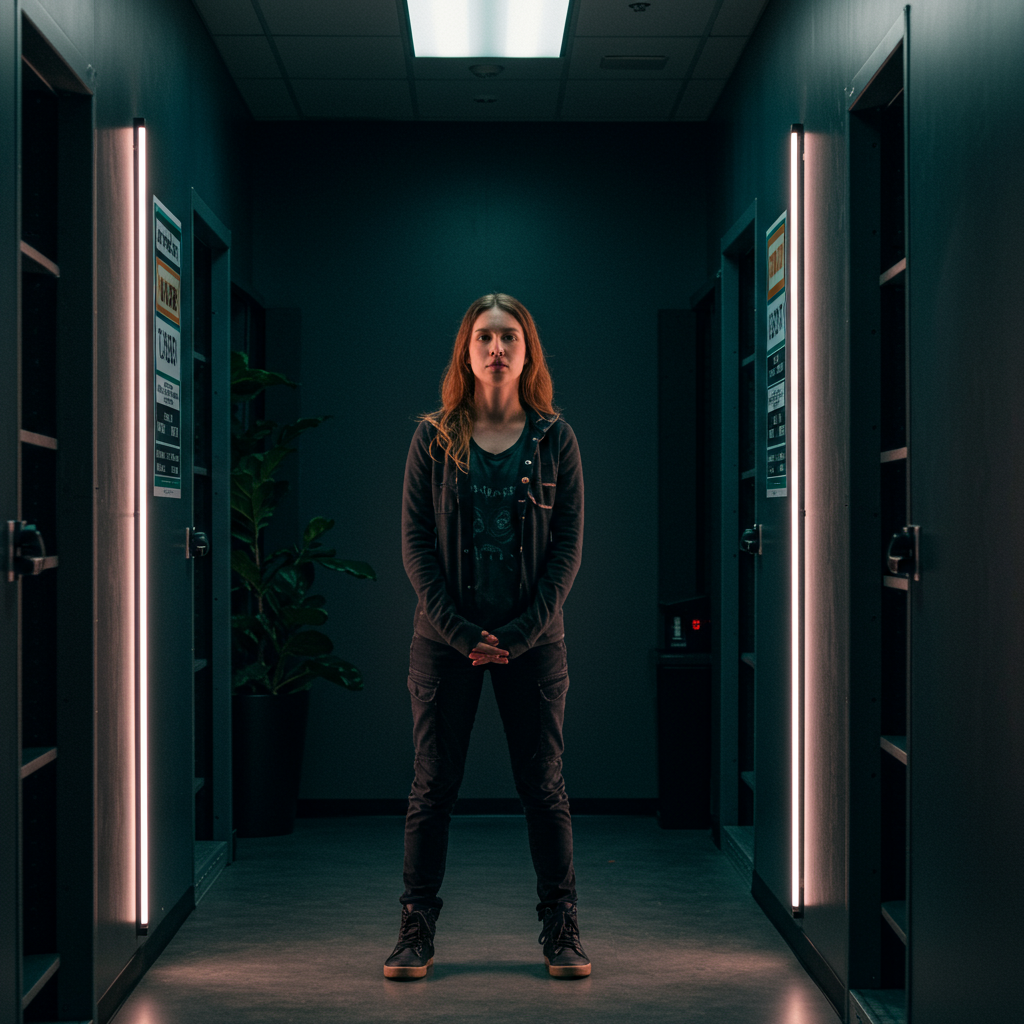
Functional Greenrooms: How to Master Greenroom Requirements, Calm Zones, and VIP Care
This article provides a strategic and operational framework for transforming greenrooms from simple waiting areas into assets that boost talent performance and satisfaction. We cover all the key aspects in depth, from interpreting and executing riders to creating calm zones and managing VIP care. The methodology focuses on auditable processes, measuring key performance indicators (KPIs) such as the artist’s Net Promoter Score (NPS), budget variance below 5%, and improving operational efficiency. Aimed at event producers, tour managers, and venue managers, this guide provides the tools to raise the bar for hospitality, minimize risks, and ensure that every detail of the greenroom requirements contributes to the overall success of the event.
Introduction
In the fast-paced world of live events, concerts, and high-profile productions, success is often measured by what happens in front of the audience. However, seasoned professionals know that the true catalyst for a memorable performance lies backstage, specifically in the greenroom. This space, far from being a mere logistical appendage, is the artist’s sanctuary, the nerve center for concentration and recovery. Poor management of this area can generate friction, stress, and negatively impact performance. Conversely, flawless execution of the greenroom requirements translates directly into happier, more focused talent, ready to deliver their best. This article breaks down the science and art of creating functional greenrooms, transforming the complex demands of a rider into a seamless and predictable experience that protects the most valuable investment in any production: human talent. Our methodology is based on a proactive and systematic approach. Instead of reacting to requests, we establish a process that anticipates needs, optimizes resources, and tangibly measures results. We’ll analyze how to implement measurable quality standards, from acoustic control in decibels (dB) to internet connection speed in Mbps. The key performance indicators (KPIs) we’ll guide include artist satisfaction score (NPS), budget adherence with less than 5% deviation, rider execution accuracy (greater than 98%), and a reduction in last-minute issues. This structured approach allows production teams to scale their hospitality operations, ensure consistency across different events, and build a reputation for excellence that attracts and retains top talent.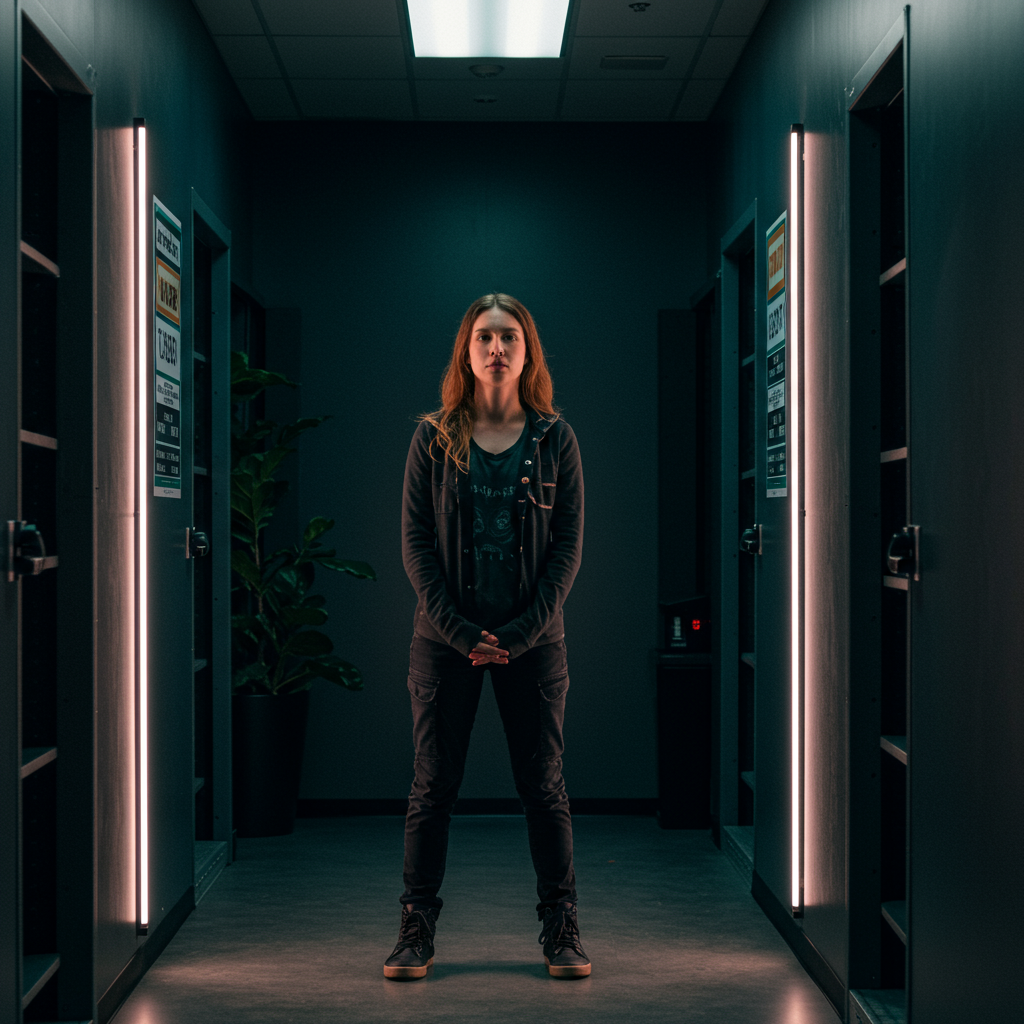
Vision, values, and proposal
Focus on results and measurement
Our vision is to redefine We view the greenroom as a strategic performance center, not a cost center. We believe that every euro invested in quality hospitality generates a measurable return in the form of better performances, stronger artist relationships, and a more robust production brand. Our core values are proactivity, discretion, precision, and anticipation. We apply the Pareto principle (80/20) to prioritize our efforts: we focus on the 20% of rider requirements that generate 80% of the positive impact, such as seamless Wi-Fi connectivity, strict adherence to critical dietary needs, precise temperature control (21.5°C ± 1°C), and, above all, an acoustically isolated environment. We adhere to technical standards such as electrical safety regulations, food handling health codes (HACCP), and acoustic comfort guidelines that aim to maintain ambient noise levels below 45 dB in rest areas. Value Proposition: We transform rider management from a reactive and stressful task into a systematic and controlled process that enhances the artist experience and reduces operational risks. Quality Criteria: Each rider item is checked and photographed before arrival. Rest areas are measured with a sound level meter. Network speed is certified through testing.- Supplier Decision Matrix:
- Reliability (On-time delivery history > 99%).
- Product Quality (Meets exact rider specifications).
- Responsiveness (24/7 availability during the event).
- Confidentiality (Non-disclosure agreement signed).
Services, Profiles, and Performance
Portfolio and Professional Profiles
We offer a portfolio of hospitality and backstage management services designed to cover the entire event lifecycle. These services are designed to meet and exceed the most complex greenroom requirements, guaranteeing a five-star experience for talent. Key roles on our team include: Greenroom Manager: The project leader. Oversees budget, space design, logistics, and team coordination. Is the primary point of contact for the tour manager. Hospitality Coordinator: Specializes in the execution of the hospitality rider (food, beverages, amenities). Manages catering suppliers, makes purchases, and ensures presentation and quality. Backstage Technical Specialist: Ensures all greenroom technical requirements (Wi-Fi, power outlets, specific lighting, audio/video equipment) function flawlessly. Artist Liaison: The talent’s personal host. Anticipates needs, manages the flow of people, and acts as a discreet and efficient concierge. Operational Process Phase 1: Analysis and Planning (30 days). Rider receipt. Breakdown into categories (catering, technical, logistics, security). Creation of a detailed budget. KPI: Delivery of the rider fulfillment proposal in <48 hours. Phase 2: Procurement and Design (21 days). Selection and contracting of suppliers. Design of the greenroom layout in CAD. Confirmation of all items with the artist’s team. KPI: Procurement cost deviation <3% of the approved budget. Phase 3: Pre-assembly and Verification (48 hours). Supervision of cleaning and preparation of the space. Testing of all technical equipment. Receiving and storing supplies. KPI: Pre-setup checklist 100% complete. Phase 4: Live Execution and Management (Day of the Event). Final setup. Team briefing. Active management during the artist’s stay, with a focus on anticipation. KPI: Artist NPS > 9.0. Zero critical complaints. Phase 5: Teardown and Post-Event (T+24 hours). Efficient teardown. Invoice reconciliation. Sending a feedback report to the client and the artist’s team. KPI: Final report delivered in <72 hours.Tables and examples
Capacity for 4K streaming, uninterrupted video conferencing, and fast downloads.Strict adherence to dietary rider.100% accuracy on items marked as “allergy” or “critical.” Deviation < 2% on secondary items.Triple verification: purchase, receipt, and placement. Clear labeling of all products. Direct communication with the chef/supplier.Zero health incidents. Full confidence from the artist’s team in the hospitality management.Creating an effective calming environment.Ambient noise level < 45 dB. Adjustable lighting between 50 and 500 lux. Independent temperature control.Select the room furthest from the stage. Add temporary acoustic panels. Install dimmers.A functional space for rest, meditation, or focused work, improving the artist’s well-being.Optimize security and privacy.Zero unauthorized access. Access control via chip-based credentials.Assign a dedicated security guard to the area. Implement a system of wristbands or specific passes. Pre-event security sweep.Talent and their team feel completely safe and protected from unwanted intrusions.| Objective | Indicators | Actions | Expected result |
|---|---|---|---|
| Ensure high-speed connectivity | Download/upload speed > 150 Mbps; Latency < 20 ms; Uptime > 99.9% | Contract a dedicated fiber optic line. Install enterprise-grade APs. Having a 5G backup. |

Production Logistics and Rider Management
Professional Development and Management
Flawless greenroom execution is a production discipline in itself. It involves precise logistics, supply chain management, and robust contingency planning. Supplier coordination is essential: from the specialized caterer who can source a specific imported water brand, to the furniture rental company that has a particular ergonomic chair model. The execution schedule is planned down to the minute: the delivery of fresh food must be coordinated to coincide with the chef’s arrival, and the furniture assembly must be completed before the technical team installs the sensitive equipment. In many cases, special permits are required, for example, to install additional generators if the venue’s power is insufficient or to manage the logistics of large vehicles in restricted urban areas. Documentation Checklist: Contracts with suppliers, non-disclosure agreements (NDAs), liability insurance, venue plans, detailed run sheets. Alternative Stock Options: For each critical rider item, have a second and third option pre-approved by the tour manager. This is vital for products with variable availability. Contingency Plan A: Supplier issue (delay, order error). Activation of the backup supplier. Contingency Plan B: Venue issue (power outage, HVAC failure). Emergency generator and portable air conditioning units on standby. Contingency Plan C: Staffing issue (personal crisis, illness). Discreet communication protocol, pre-established medical contact, alternative exit routes.
Communication and Documentation that Prevent Crises
Messages, Formats, and Conversions: Optimizing Greenroom Requirements
“Conversion” in the context of greenroom management means achieving final approval from the tour manager with minimal back-and-forth, establishing a foundation of trust from the outset. The key content is the Rider Breakdown, an internal document that translates requests into actionable tasks, and the Fulfillment Proposal, which is presented to the artist’s team. The “hook” is the speed and thoroughness of this proposal. The Call to Action (CTA) is a simple request such as “Please review and confirm” or “Please indicate your preferences for points X and Y.” We conduct A/B testing on our communication formats: do people respond better to a detailed PDF document or an interactive online platform with images of the proposed products? The conversion metrics are the average response time and the number of revisions required to reach approval. A good communication process regarding greenroom requirements reduces ambiguity and prevents costly misunderstandings on the day of the event.- Receipt and Acknowledgement (Responsible: Greenroom Manager): Send an email confirming receipt of the rider within 2 hours.
- Rider Breakdown Creation (Responsible: Greenroom Manager): Use a standardized template to break down each item with columns for “Action,” “Responsible,” “Potential Supplier,” “Estimated Cost,” and “Notes/Risks.” Deadline: 4 hours.
- Task Assignment (Responsible: Greenroom Manager): Assign sections of the breakdown to hospitality coordinators and technicians. Timeframe: 1 hour.
- Research and Sourcing (Responsible: Coordinators): Obtain quotes and confirm availability of all items. Timeframe: 24 hours.
- Preparation of the Compliance Proposal (Responsible: Greenroom Manager): Consolidate the information into a clear document, indicating what will be 100% fulfilled, what requires clarification, and what alternatives are proposed. Include photos, plans, and costs. Deadline: 8 hours.
- Submission and Follow-up (Responsible: Greenroom Manager): Send the proposal to the tour manager and schedule a follow-up reminder if there is no response within 48 hours.
- Feedback Reception and Integration (Responsible: Greenroom Manager): Update the plan with the responses and obtain final written approval.

Training and Employability
Demand-Driven Catalog
Excellence in greenroom management requires highly qualified personnel. To this end, we have developed a catalog of internal training and training for industry professionals, focused on the practical skills demanded by the high-end events market.-
- Module 1: Anatomy of a Rider: From A to Z. Techniques for breaking down complex riders (technical, hospitality, security). Identifying deal breakers and negotiation points.Module 2: Artist Psychology and Managing High-Pressure Environments. Training in emotional intelligence, nonverbal communication, conflict resolution techniques, and maintaining composure under stress. Module 3: Crisis Management in VIP Areas: Action Protocols. Crisis scenario simulations: medical emergencies, security breaches, impossible last-minute requests. Module 4: Logistics and Supply Chain for Events. How to find and veto reliable suppliers. Price and contract negotiation techniques. Real-time inventory management.
Operational Processes and Quality Standards
From Request to Execution
- Diagnosis: The first phase involves a site audit. Access, electrical power, connectivity, sound insulation, and traffic flow are evaluated. An initial meeting is held with the client to understand the talent profile and the event objectives. The deliverable is a “Site Feasibility Report.”
- Proposal: With the rider in hand and the diagnosis completed, a detailed proposal is prepared. It includes a detailed budget, plans of the proposed layout, an aesthetic mood board, and a description of the service level. The acceptance criterion is the client’s signature.
- Pre-production: Once approved, the most intensive phase begins. Contracts are signed with suppliers, a detailed production schedule (Gantt chart) is created, and technical briefings are held. The key deliverable is the “Greenroom Production Book,” which contains all the information in one place.
- Execution: This corresponds to the setup and management during the event. The team operates according to the Production Book. Communication is centralized through a dedicated radio channel. The acceptance criteria are adherence to the schedule and proactive resolution of any unforeseen issues.
- Closure: After the event, dismantling is supervised, all invoices are collected for budget reconciliation, and feedback is gathered from the client and the artist’s team through a standardized questionnaire (NPS). The final deliverable is the “Post-Event Report and Financial Closure.”
Quality Control
- Defined Roles: The Greenroom Manager has final authority over operational decisions. The Hospitality Coordinator has signing authority for pre-approved low-value purchases.
- Issue Escalation: Level 1 (minor): resolved by any team member. Level 2 (moderate): requires intervention from the Coordinator. Level 3 (critical): immediately escalated to the Greenroom Manager. Level 4 (crisis): The Greenroom Manager informs the General Event Producer.Acceptance Indicators (SLAs): Ambient temperature maintained within ±1°C of the requested value. 100% of catering items must be in place 2 hours before the artist’s arrival. Wi-Fi must be tested and certified 4 hours in advance.
| Phase | Deliverables | Control Indicators | Risks and Mitigation |
|---|---|---|---|
| Diagnosis | Venue Feasibility Report | Inspection completed with a 100-point checklist. Report delivered within 24 hours. | Risk: The venue does not meet basic requirements (e.g., power). Mitigation: Identify it early to propose solutions (generators) or find another venue. |
| Proposal | Detailed budget. Plans. | Budget with estimated deviation < 5%. Proposal sent within 72 hours of receiving the rider. | Risk: The client rejects the budget because it is too high. Mitigation: Present 3 options (Basic, Standard, Premium) with clear costs and benefits. |
| Pre-production | Greenroom Production Book. Signed contracts. | 100% of suppliers confirmed 1 week prior. 100% of rider items located. | Risk: A key supplier fails. Mitigation: Have a database of backup suppliers already vetoed and ready to be contacted. |
Application Cases and Scenarios
Case 1: International Music Festival with 50 Artists
The challenge was to manage 10 greenrooms simultaneously for 50 artists of different genres and levels of popularity over a weekend. The key was standardization and scalability. A standard “Greenroom Kit” was created for all artists (sofa, mirror, coat rack, mini-fridge, welcome kit) and then customized according to the rider’s level. A color-coded zoning system was implemented for catering logistics, preventing confusion. The KPIs were a success: the average “reset” time for a greenroom between artists was only 18 minutes. Rider fulfillment accuracy exceeded 98.5%. The average NPS for artists was 9.2. The ROI was demonstrated by the renewal of the contract for the next 3 years and by positive public comments from several artists about the organization. Case 2: Corporate Technology Summit with VIP Speakers (CEOs) In this scenario, the greenroom requirements focused not on eccentricities, but on functionality, technology, and absolute privacy. The space had to serve as a high-performance temporary office. A dedicated fiber optic network with Wi-Fi 6 was installed, guaranteeing symmetrical speeds of 500 Mbps. Each of the five private pods within the main greenroom was soundproofed (35 dB reduction), equipped with a universal charging station, a 4K monitor, and a printer/scanner. Security was paramount, with biometric access control and discreet security personnel. The measured KPIs were: zero connectivity interruptions, ambient noise levels maintained below 40 dB, and 100% speaker satisfaction (NPS of 10), who highlighted the ability to work uninterrupted until their presentations. The perceived Average Daily Rate (ADR) of the event increased, as attendees appreciated the access to such high-caliber speakers. Case 3: National Tour of a Play The challenge here was consistency. The show visited 15 different theaters over 10 weeks, each with a distinct backstage area. The solution was to design and build a “Mobile Greenroom.” Modular flight cases were used, containing all the furniture, a high-quality coffee maker, a sound system, and even a small library. The advance team arrived in each city two days prior to the show to adapt the local theater space to the standard layout. This ensured that the cast and crew always found the same familiar and functional environment, reducing the stress of constant travel. The KPIs focused on efficiency: the greenroom setup time was standardized at four hours. The weekly hospitality budget had an average deviation of only 2.5%. Team morale remained high throughout the tour, with a 30% reduction in sick days compared to previous tours. Case Study 4: Music Video Production for a Pop Artist In a shoot that lasted 18 hours straight, the greenroom became a vital oasis. Key requirements were varied: a wardrobe and makeup area with professional lighting (CRI 95+) and full-length mirrors, a completely dark and quiet rest area for short naps, and continuous catering with healthy and energizing options available 24/7. We worked closely with the director and director of photography to ensure the greenroom was close to the set but acoustically isolated. A shift system was implemented for the hospitality staff to guarantee fresh and attentive service even in the final hours. The result was a seamless production, where the artist and dancers were able to maintain their energy and performance at peak levels throughout the day. El feedback del manager fue claro: “El mejor soporte de backstage que hemos tenido. Fue un factor clave para terminar a tiempo y dentro del presupuesto”.Step-by-step guides and templates
Guide 1: Ultimate Checklist for Auditing a GreenRooms Enclosure
- access and security: Is there a separate entrance for talent that avoids the public? Can a clear security perimeter be set? Do the doors have reliable locks?
- Dimensions and Layout: Measure the total area (m²). Is it enough for the number of people? Are there separable spaces to create private or calm zones? Draw a scale plane.
- Electric power: How many independent circuits are there? What is the total amperage available? Are the power outlets in good condition and well distributed? Request an electrical plane.
- Conectividad: Is there a wired internet connection? Perform a speed test (download, upload, latency). What is the coverage and quality of the mobile signal?
- HVAC and ventilation: Does the space have independent temperature control? Is the system noisy? Is there good air circulation or practicable windows?
- Aislamiento Acústico: With the main event running (or a noise simulation), measure the decibels within the space. Does the sound of the stage or the audience seep?
- Bathrooms and toilet areas: Are there private and dedicated bathrooms? Are they clean and in good condition? Are showers available?
- Logística: How close is the greenroom to the stage? From the production parking? Are there hallways or elevators wide enough for Flight Cases?
Guide 2: How to negotiate and clarify an ambiguous rider
- acknowledge receipt and thank: Always start with positive and professional communication. “We have received the rider, thanks for sending it in time. We are reviewing it in detail.”
- Group and categorize: Do not answer point by point. Group doubts by categories: “Questions about catering”, “Technical clarifications”, “Logistic details”.
- Confirmar lo claro: Start the communication by listing everything that is clear and will be fulfilled 100%. This builds trust. “We confirm that we will have X, Y and Z as requested.”
- Ask precise questions for the ambiguous: Instead of “what do you mean by ‘healthy snacks’?”, ask: “For healthy snacks, do you prefer options like fresh fruit, protein bars, nuts or a combination? Any allergy or preference (vegan, gluten-free)?”
- Propose viable alternatives for the impossible: If they ask for a brand that is not available in the country, investigate and propose 2-3 alternatives of similar quality. “The ‘Glacier Pure’ watermark is not distributed locally. We can offer ‘Aqua Alpina’ or ‘Voss’, which are of similar premium quality. Which one do you prefer?” Include photos if possible.
- Consolidate in a single document: Send all questions and proposals in a single email or document to facilitate review and approval by the Tour Manager.
Guide 3: Hospitality Team Briefing Template (T-3 Hours)
- Visión General (5 min): Who is the artist, type of event, importance of his well-being. Review the main goal: “Our goal is for the artist to only worry about his performance.”
- Plane and Zones (5 min): Review the plan of the greenroom. Delimit zones: zone of calm, social zone, work zone, non-access zone. who has access to each zone.
- Role assignment (5 min): Who is the main artist link. Who is in charge of replacing the catering. Who is the point of contact for technical problems?
- Review of key greenroom requirements (10 min): Review the 5-10 most critical points of the rider. Allergies, specific drinks, temperature, special requests. Make sure everyone knows where everything is.
- Communication protocols (5 min): radio channel to use. Keyword for emergency situations. chain of command for decision making. Golden Rule: “Don’t say ‘I don’t know’, say ‘Let me check it out'”.
- Horarios Clave (5 min): Artist’s arrival time (ETA), Soundcheck, doors, show, departure. Critical moments where silence or maximum attention is required.
- Question round (5 min): Space for the team to solve any doubt.
Internal and external resources (no links)
Recursos internos
- Rider breakdown template in Google Sheets/Excel.
- Enclosure audit checklist (100 points).
- Rider Compliance Proposal Template.
- Communication style guide with management and artists.
- Database of verified suppliers by city.
Reference external resources
- Event safety regulations (based on the Event Safety Alliance).
- Food hygiene and handling standards (APPCC – Hazard Analysis and Critical Control Points).
- World Health Organization guides on safe noise levels.
- Publications of professional associations such as ILEA (International Live Events Association).
- Technical manuals of network equipment (Cisco, Ubiquiti) for robust configurations.
Preguntas frecuentes
What is the most common error when managing a greenroom?
The most frequent error is reactivity. Many teams wait for the artist to arrive to solve problems or attend to requests, instead of anticipating them. A proactive approach, which verifies every detail and has contingency plans, is what differentiates an acceptable service from an exceptional one.How do you manage an impossible or extravagant request from a rider?
with professionalism and creativity. A resounding “no” is never said. First, it is investigated if it is really impossible. If it is, it communicates transparently to the Tour Manager as soon as possible, explaining why (logistics, legality, availability) and immediately presenting 2 or 3 well-tended alternatives that capture the essence of the original request.What percentage of an event budget should go to the Greenroom?
There is no fixed rule, but a good reference is between 3% and 10% of the artist’s cache. For top-level artists, this percentage may be higher. It is crucial to see it as an investment in performance and not as an expense. A well-executed budget avoids much higher last-minute costs.What is the difference between a greenroom and a dressing room?
Although sometimes used interchangeably, traditionally a dressing room is a private and personal space for an artist to change and prepare. A greenroom is a more communal living room or lounge, where the main artist, his band, his team and guests can relax before and after the performance. In large productions, there are usually both.How is the success or ROI of a well-managed greenroom measured?
Success is measured with a combination of qualitative and quantitative metrics. Quantitative include: Net Promoter Score (NPS) or artist satisfaction surveys, budget compliance (<5% deviation), and absence of complaints or technical problems. The qualitative, often more valuable, include direct feedback from the artist or his manager, the likelihood that they will work with you again (Repeat Business) and the reputation you build in the industry.Conclusion and call to action
We have walked the path that transforms a simple space behind the stage into a high-performance ecosystem. The strategic management of requisitos greenroom It is not a luxury, but an operational need that directly impacts the quality of any event. By adopting a process-based approach, KPI measurement, and a proactive mindset, producers can minimize risks, optimize budgets, and most importantly provide talent with an environment that allows them to shine. An artist who feels careful, respected and comfortable is an artist who will offer an unforgettable performance. Backstage excellence is the silent foundation of stage success. The next step is to apply these concepts. Start by auditing your own processes. Use the guide in our article to evaluate your next enclosure not only for its capacity, but for its potential to create a world-class greenroom. Implement a rider and communication breakdown system with talent that is clear and efficient. By professionalizing hospitality management, you will not only solve problems, but build a lasting competitive advantage in the event industry.Glosario
- Rider
- A document attached to an action contract that details the artist’s specifications and requirements, ranging from technical equipment to hospitality, safety and logistics.
- Greenroom
- A room or set of rooms located in the backstage of a venue, intended for the rest and preparation of the artists and their team before and after a performance.
- Backstage
- The area of a show venue that is behind the stage, not accessible to the general public. Includes dressing rooms, production offices, cargo areas and greenrooms.
- Tour Manager
- The professional responsible for all the logistics of an artistic tour, including travel, accommodation, schedules and communication of the requirements of the rider with the local promoters.
- NPS (Net Promoter Score)
- A management metric that measures the loyalty and satisfaction of a customer (in this case, the artist or his team) based on his willingness to recommend a product or service.
- HVAC
- English Acronym for “Heating, Ventilation, and Air Conditioning”. It refers to the air conditioning system of a building.
Internal links
- Click here👉 https://ca.esinev.education/diplomates/
- Click here👉 https://ca.esinev.education/masters/
External links
- Princeton University: https://www.princeton.edu
- Massachusetts Institute of Technology (MIT): https://www.mit.edu
- Harvard University: https://www.harvard.edu
- Stanford University: https://www.stanford.edu
- University of Pennsylvania: https://www.upenn.edu